The best of Hell World 2025

I heard you like to read buddy so have I got a treat for you: writing. The perfect exchange in such a scenario.
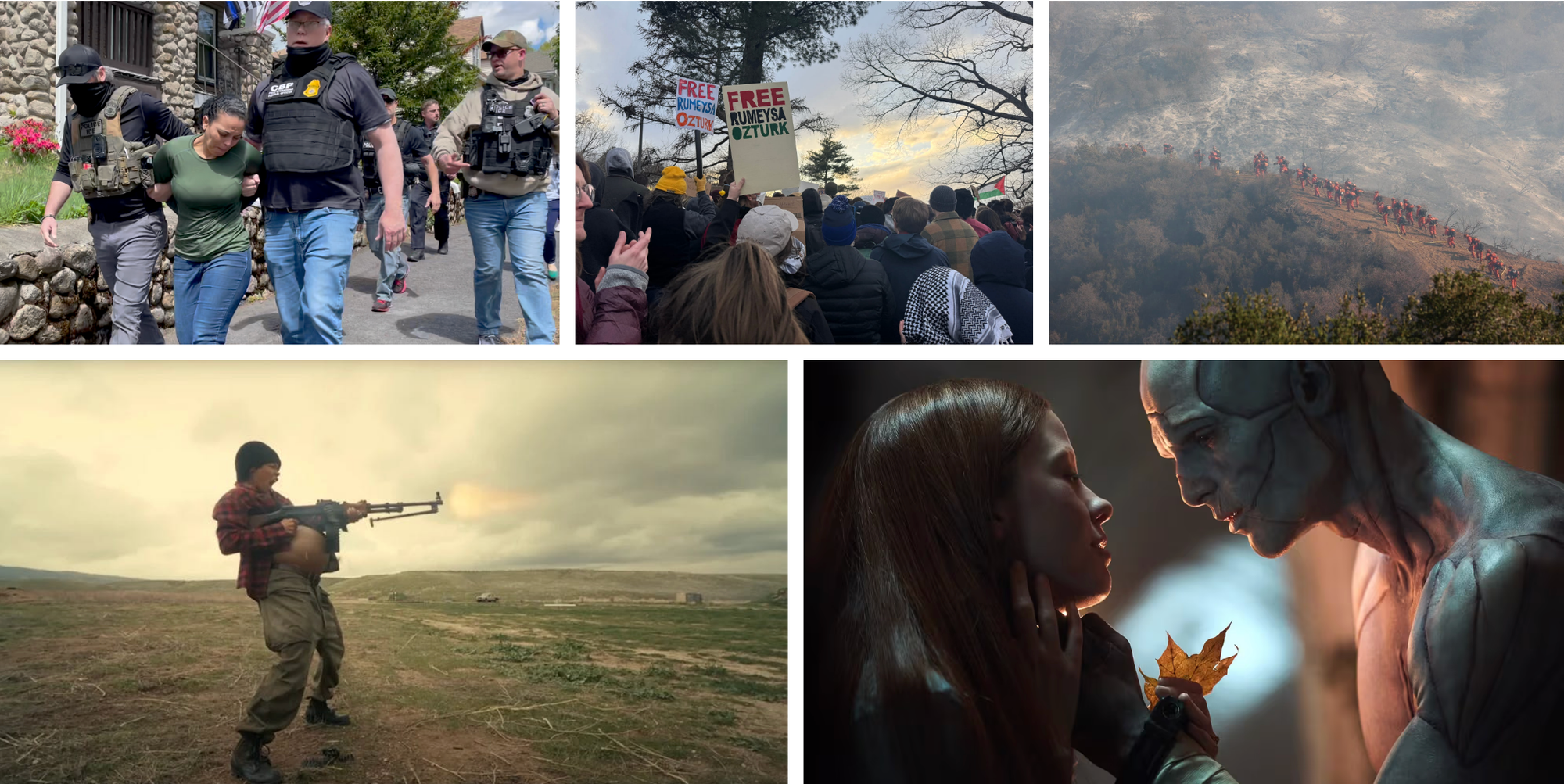
Once again this year I was blessed to be able to publish a great array of talented writers and reporters. From film and music criticism and remembrances of those we lost to reporting from the West Bank and the fires of California to the assault on trans and autistic and unhoused people to some of the most despicable acts of violence being carried out by ICE in cities like Los Angeles, Chicago, New York and Worcester.
So here they are. The best pieces written by the Hell World contributors in 2025.
Thank you as always to them for making this operation look good and also to you for all your attention and support. I literally could not do it without all of you.
I am very proud to pay my writers decently and on time. If you've appreciated what you've read this year help me keep doing that with a subscription. It's good for your soul.
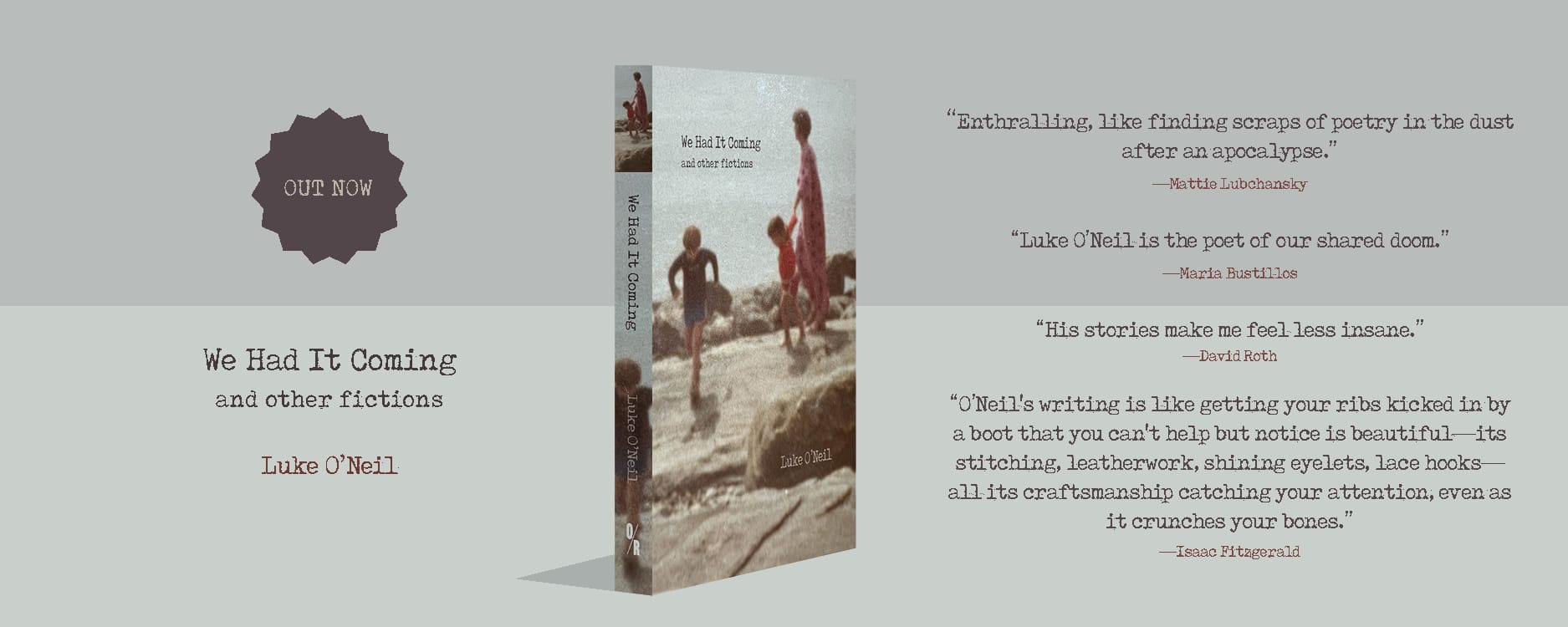
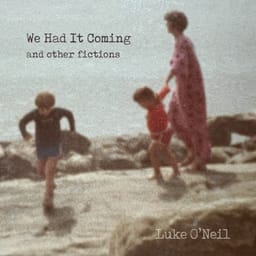
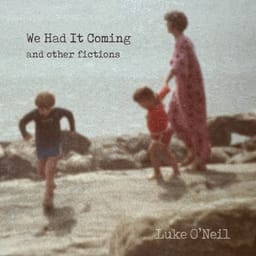
And please buy the fucking book. I swear to god it is good and it will make you laugh and cry and feel like shit but then – maybe (?) – feel a little better at the end of it all.
If you missed it I posted by favorite songs of the year here:
 Luke O’Neil
And in this one I rounded up all the author interviews and book excerpts I ran in 2025:
 Luke O’Neil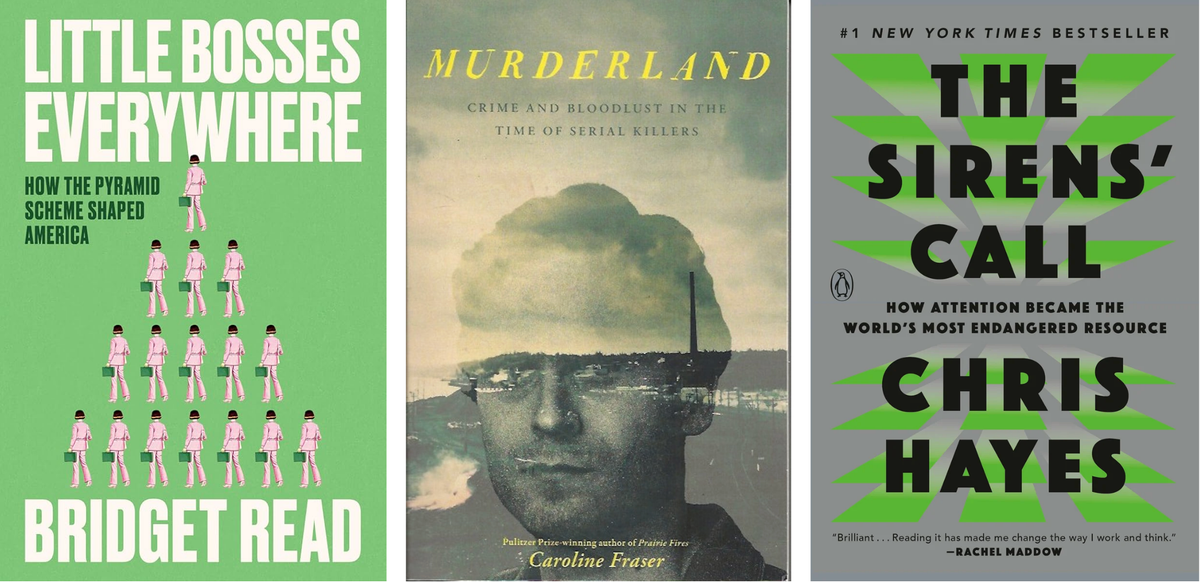
Ok here we go in (mostly) chronological order.

 Luke O’Neil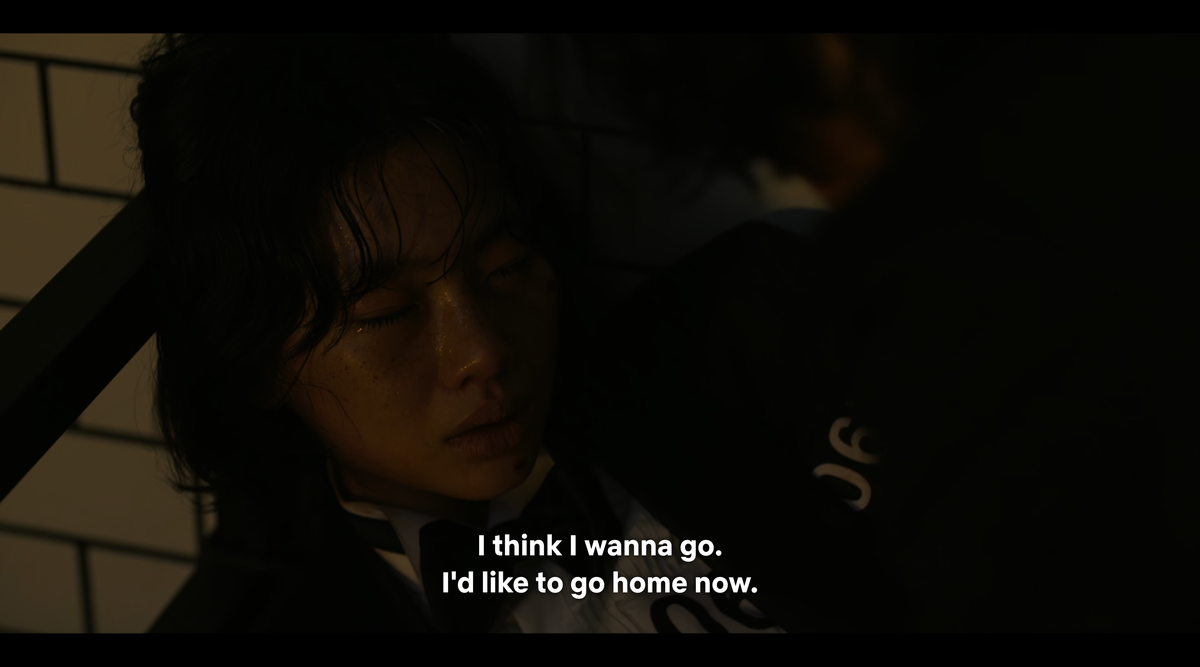
"Cultural critics are dropping the ball on Squid Game season two, sidestepping its direct critique of capitalism and watering it down to 'income inequality,'" Karen Geier wrote. "Why are they so afraid to call out the system the show screams about?"
Imprecise language in these cases matters. Capitalism is the system that demands winners and losers. Its gears are lubricated with blood. Income inequality, on the other hand, sounds like a bank error, or suggests that people just forgot somehow to ask for more money. It is a defanged criticism to say the show is about income inequality, merely one of the many symptoms of the disease of capitalism.
 Luke O’Neil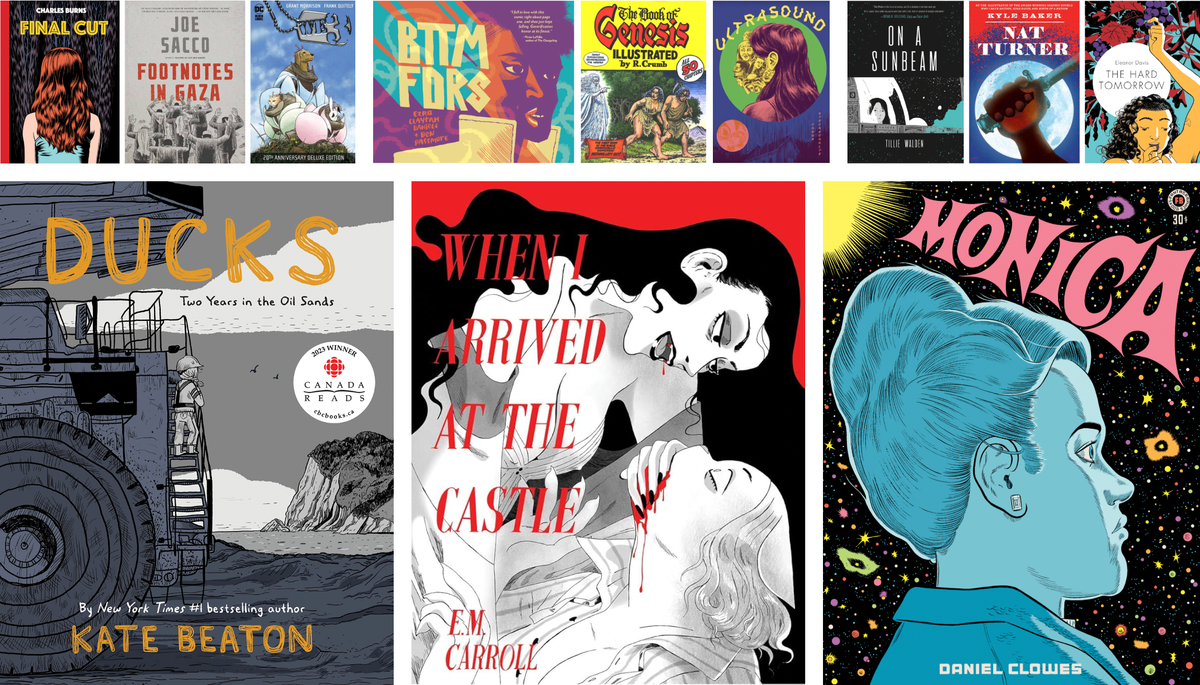
Sam Thielman picked an amazing selection of comics that we should all read. Among them was Nat Turner by Kyle Baker.
This is another book, like Crumb’s Genesis, that takes a story most people think they know and reminds you of the details, which are almost diametrically opposed to the cultural sense of the thing. We think of Turner’s slave revolt as glorious because slavery was so evil; in fact the evils of slavery made the entire thing worse and bloodier. Baker has a history in animation as well as comics and he combines realistic figures with drawings that would look at home in a Looney Tunes short; the result is jarring in a very effective way.
 Luke O’Neil
Arvind Dilawar talked to people in the West Bank about what life is like there now.
“When you lay in your bed at night and you hear the planes and you know exactly a few minutes later someone will be killed … you don’t know what to do with your thoughts and your feelings,” says Alex, referring to Israeli fighter jets and drones. “We live in a kind of mass depression and anxiety.”
In the face of such violence, Palestinians like Alex, as well as even some Israelis, recognize that Israel’s genocide in Gaza and its lower-intensity war on the West Bank are like nothing in their shared history, including the two most prominent previous periods of Palestinian resistance to the Israeli occupation: the First and Second Intifada.
 Luke O’Neil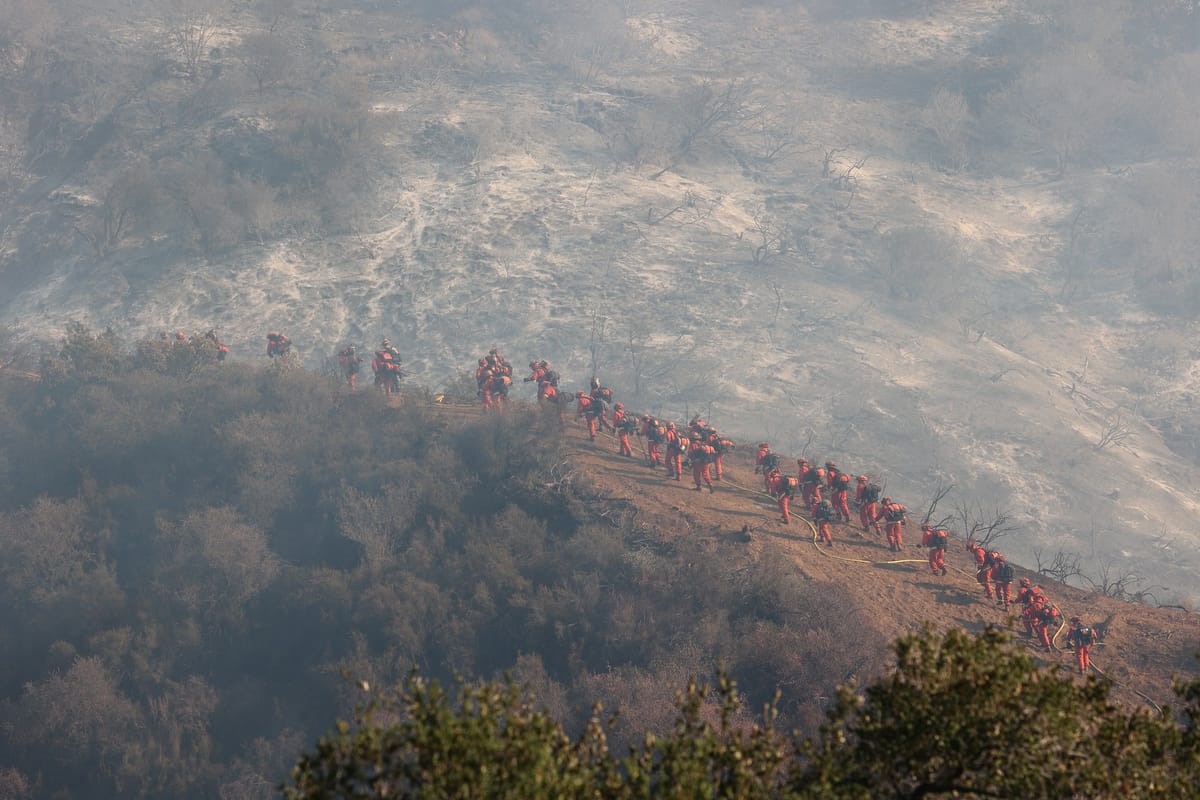
Joey Scott reported from the midst of the devastating fires in Los Angeles earlier this year.
My apartment reeked of campfire despite the efforts of running my air purifiers at full blast into the night. The respirator I had to protect myself from tear gas covering the 2020 protests was repurposed to protect myself now from the air on dog walks.
Outside I watched large pieces of ash fall from the sky. Other bits and pieces of charred debris, the remnants of people’s belonging, swirled around with it. It accumulated in parts of the sidewalk where the wind gusts couldn’t get to them.
Describing the fires as apocalyptic or as an Armageddon feels too easy, too Biblical. It implies there is an end.
 Luke O’Neil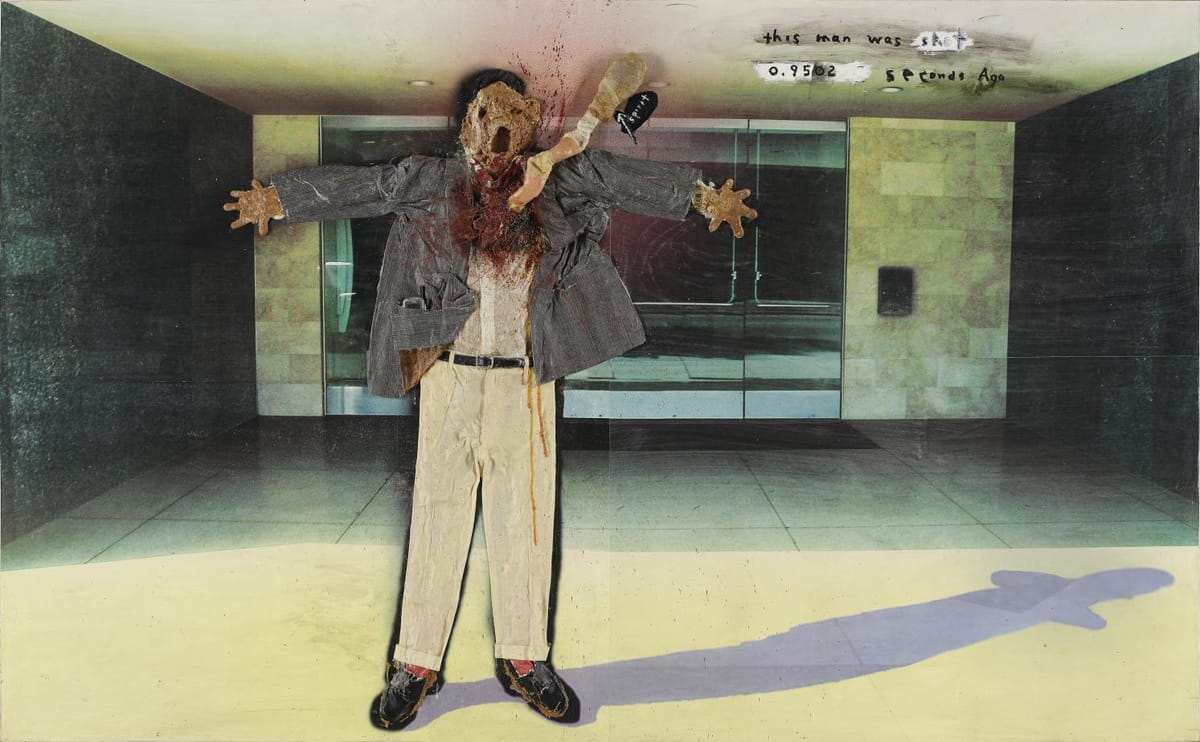
Corey Atad wrote about the life and art of David Lynch, "the great artist of the last half-century or more."
Lynch never stopped painting. Or sculpting. Or directing. Or making music. Indeed, he made himself into a kind of artwork, crafting the image of a true eccentric. The hair, the suits, the cigarettes, the way he spoke. He had the manner of a huckster, and the sensibility of one, too. The great American artist and salesman, gleefully mum on the meaning of his work, but always ready to hawk it. He had as much William Castle in him as Stan Brakhage. Not to be confused for a sellout, Lynch embodied the impulse of creation embedded in the entrepreneurial American spirit. When he directed commercials, they were unmistakably his, no different from any of his other art. Whatever avenue presented itself was an opportunity for boundless creativity. He was mercenary in the most wonderful way. Cinema became his great medium only because it combined all of the others.
 Luke O’Neil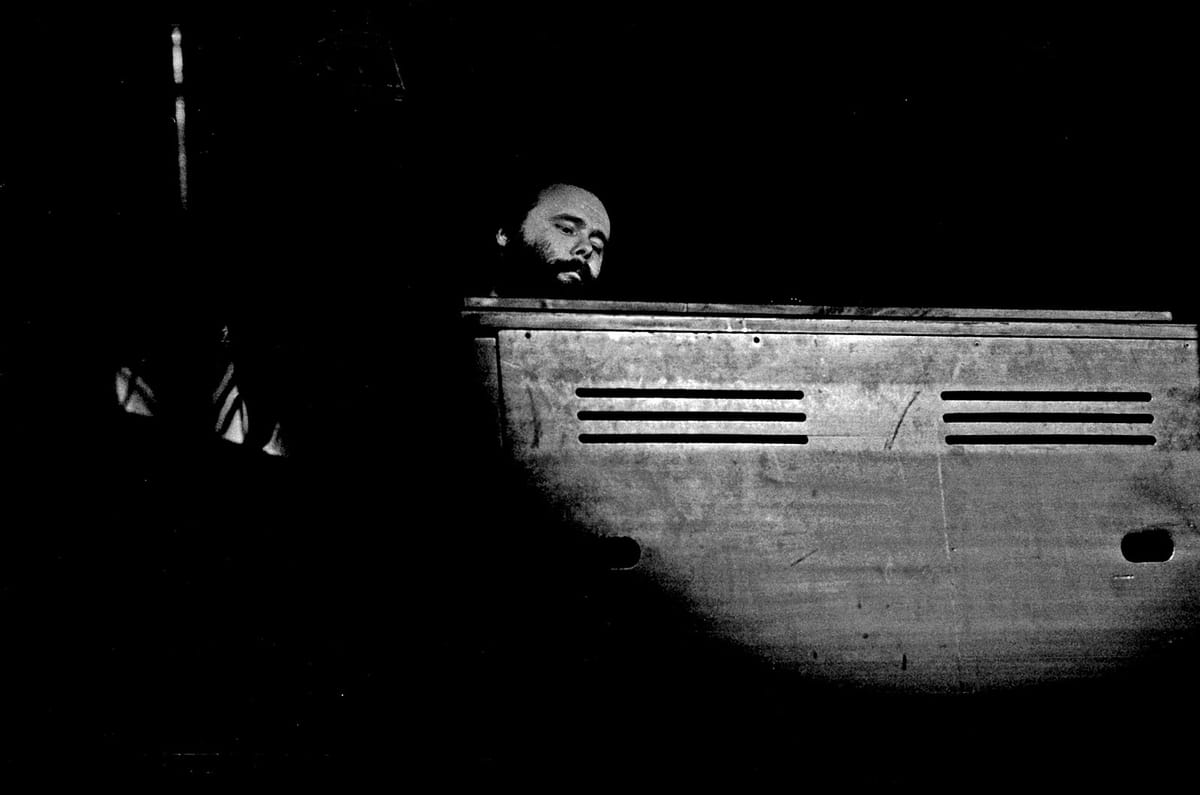
Rax King wrote about the life and music of Garth Hudson and The Last Waltz.
My favorite band is dead, and as with any celebrity death the mourning is both for the men I never knew and for the work I know better even than my own. That’s what Robertson’s death was about, and Helm’s, and Danko’s, and it’s what Richard Manuel’s death would’ve been about if it hadn’t happened before I was born, and now with Hudson’s passing there will never be another death that reminds me to play my worn out old copy of The Last Waltz. “It Makes No Difference” lives in a little hollow of my chest, convenient and accessible anytime I feel lovesick; “The Weight” is a softness in my limbs telling me to set my cares aside for awhile. I know every beat of this record and movie, and still these are two songs that always make me cry. For their openness, the earnest way they tell of hardship and loneliness and need. There’s something so sincere in playing a solo. In stepping to the front of a stage the way Hudson does during “It Makes No Difference” and gently demanding that an audience pay attention to you, specifically, because your instrument can tell them something about heartbreak that they really need to hear.
 Luke O’Neil
Ricci Sergienko reported on student walkouts across the city in protest of Trump's cruel immigration policies and the long radical tradition of protesting in Los Angeles.
There are a few challenges that our movements have historically faced. First is the police/state. Second are the naysayers and liberals that like to tell protesters to do things “the right way” and emphasize “peaceful protest.” I’ve seen many “peaceful protestors” get thrown around and beat up by the police. There’s no such thing as a peaceful protest when you’re surrounded by police in riot gear. The police are not there to keep you safe. Which leads me to another reminder: be water. When you place your body somewhere at a protest, consider the ways that the police will try to surround you, any possible exit routes, and any potential things to move in order to stop the cops from pinning you down. The goal of taking action is not getting arrested, and you should do your best to avoid it.
 Luke O’Neil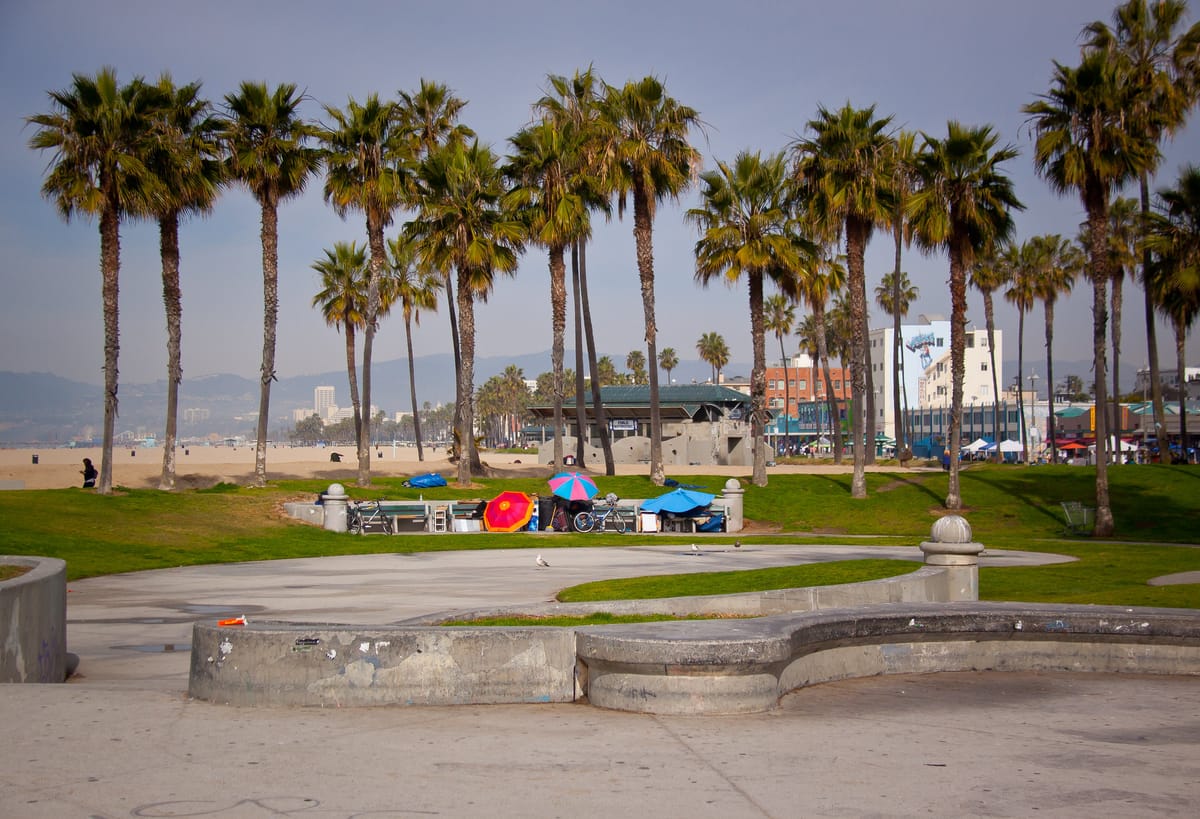
Rick Paulas wrote about a spate of new bills that were passed in California and around the country meant to criminalize “aiding or abetting” homeless individuals.
“There are probably ‘liberals’ who were involved with writing that [Fremont] law, who are at the same time horrified by several aspects of these atrocious ICE raids that have been happening all over the country,” Amber Whitson, who lives in an RV in Berkeley told me. “And, I bet most of them still wouldn't see the irony in their actions and their words if you were to tattoo a detailed explanation on the insides of their eyelids.”
Such is the epic Predator handshake between conservatives and liberals. The core issue of homelessness is not the rising price of housing or the misallocation of affordable places to live, but personal failings by those on the streets. The idea is that their drug problem has led them there, never mind the housed multitudes with similar addictions; or that it's a result of bad investment decisions, never mind the many examples of well-to-do Americans falling into bankruptcy multiple times but never finding themselves in a tent on the side of the highway; or that they’re too lazy to work, never mind how many unhoused folks I’ve interviewed over the years who work one or more jobs.
 Luke O’Neil
Mel Buer wrote about lessons learned over the years working in the restaurant industry and how those can apply to fostering a general sense of solidarity among workers everywhere.
I say this often, but working in these places is a masterclass in solidarity, whether you’re aware of it or not. You know that feeling when you really click with the folks you’re scheduled with, when you can glide through a busy shift without many bottlenecks–when the rush doesn’t feel like a rush because everyone’s where they need to be and the GM is staying out of your way? There’s an unspoken sense of–I’m here for you, and you’re here for me, and we’ll get through this together–that, to me, is what solidarity feels like. Even if you’ve never organized before, you know that feeling, and the satisfaction that comes with it. Imagine, for a moment, if you could feel that all the time.
 Luke O’Neil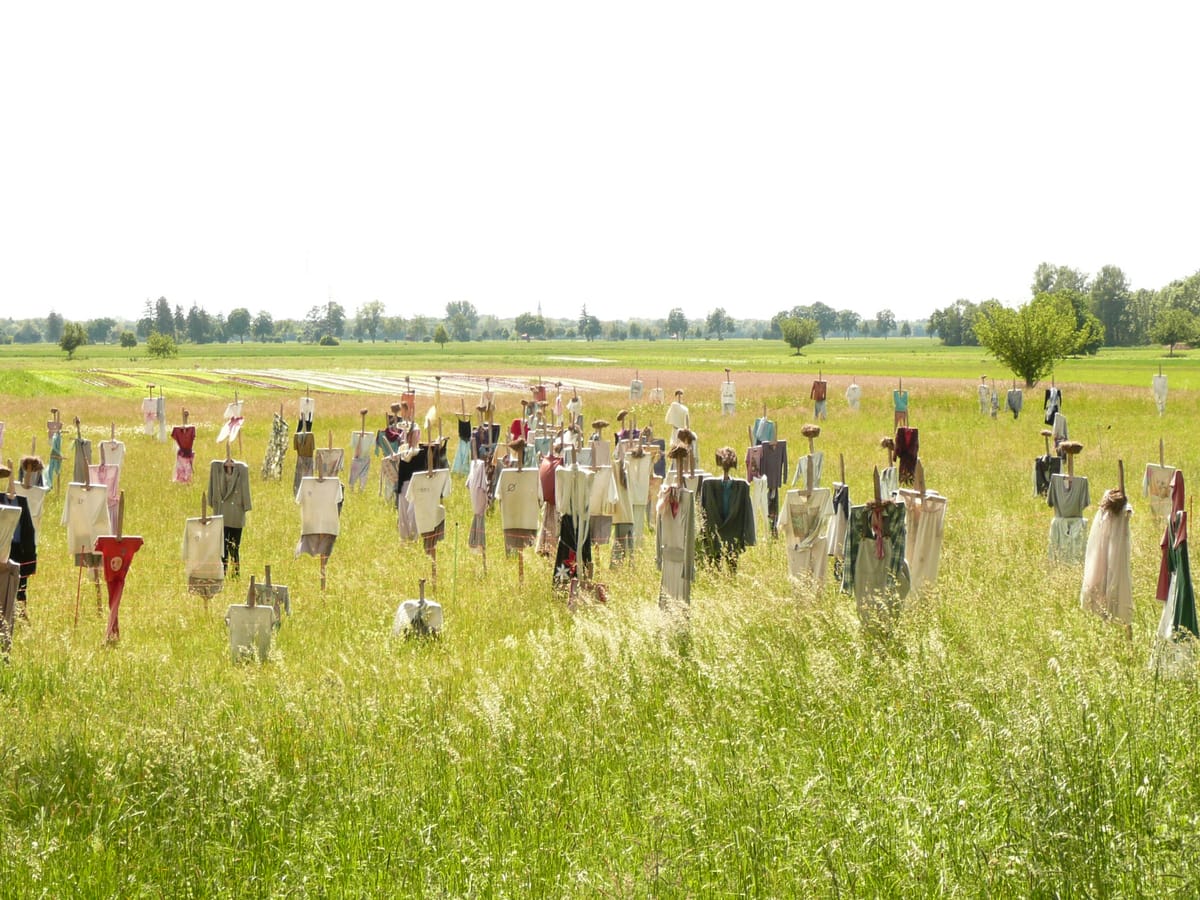
Anna Hamilton wrote about RFK Jr.'s foolish and insidious plan to send people living with mental and behavioral health issues to labor camps.
Now, the idea of a farming paradise where people who are off of their meds go to labor for the benefit of the wealthy might just be a rambling “disruptive” innovation from a guy who has too much money and not enough sense to be qualified for anything, including the job he currently holds. But as a person who is on some of the medications he has demonized as harmful, I think it’s worth taking a look at why “wellness farms” are such a spectacularly bad idea.
How would one motivate people with serious mental health issues to farm, particularly if they do not have access to a tool—medication—that keeps them safe from their own brain? Does anyone really think that a bunch of depressed people will enthusiastically take up watering cans and trowels to plant rows of vegetables at amazing speeds?
 Luke O’Neil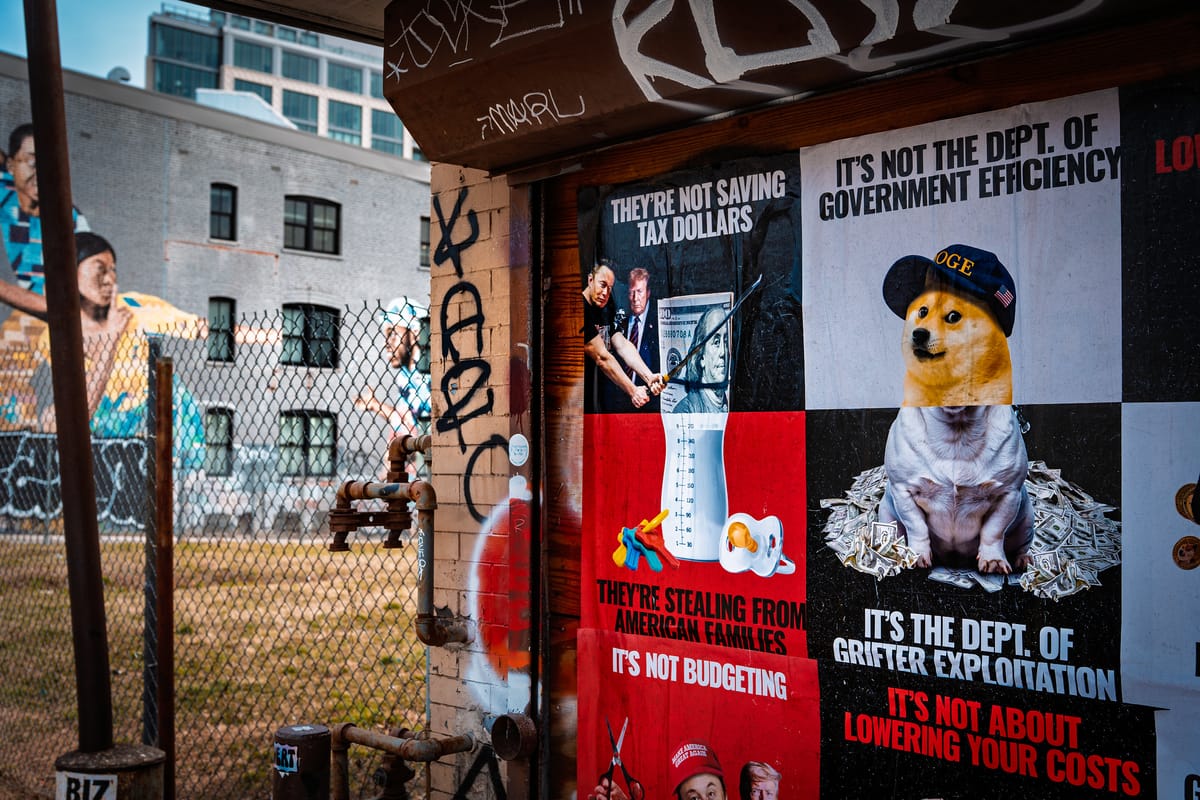
Gareth Watkins wrote about the proliferation of AI-generated "deepfake" pornographic images, Melania Trump's (perhaps) well-intentioned efforts to address them, the domineering masculinity of the "traditional" conservative family structure, and the inevitability of the right using such a law to only harm their critics.
The child of conservative parents grows up seeing that their father’s power is intimately connected to cruelty. And so he must be cruel to maintain his power and he must maintain his power in order to continue to enjoy cruelty. Whether that cruelty takes the form of emotional neglect, physical abuse or sexual abuse, a female figure is almost always close, able to help but unwilling. When the conservative child is an adult, he will continue the cycle. It’s hard to imagine a world without power, and harder still to exist in this one while renouncing a simple way to have one’s needs met. That could mean expecting free domestic labour from a woman maintaining a “traditional” household, or feeling powerful by hurting somebody weaker than you. The child of conservative parents has no choice but to Be A Man, and will grow to fetishize male power and cruelty while despising the entire gender that failed to protect him from it.
 Luke O’Neil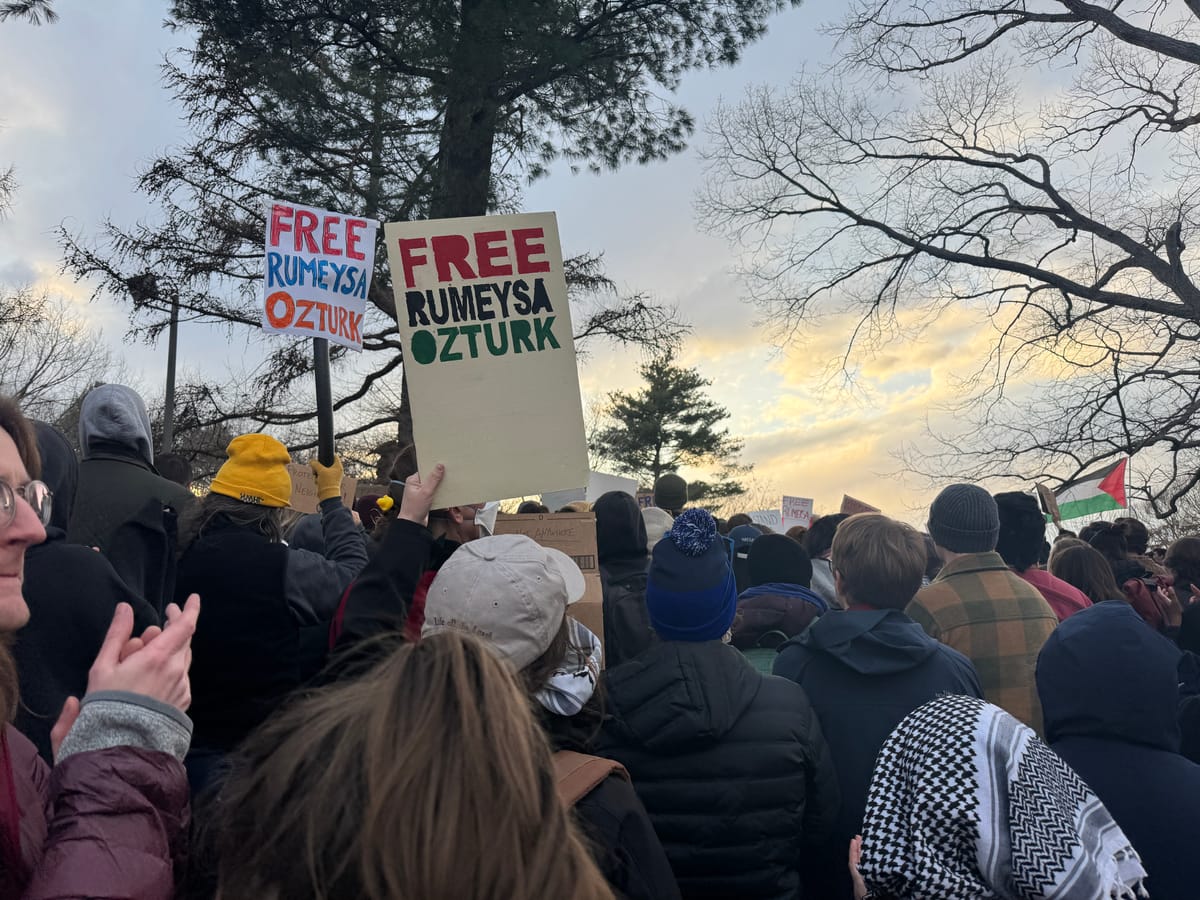
Gabriel Martins reported from a protest in Somerville, MA against the kidnapping of Tufts student Rumeysa Ozturk.
Antuan Castro Del Rio, a naturalized citizen and activist carrying a large Palestinian flag, said he wanted to establish a presence due to Ozturk’s arrest: “Justice is something that people ignore until it happens in the neighborhood. … No one thought this would happen in a school in Massachusetts.”
Castro Del Rio said it is important to demand justice for immigrants, and to denounce injustices committed by the Trump administration and ICE. “This is an infringement on the civil liberties of people,” he added. “Infringing on the civil liberties of anyone is infringing on the civil liberties of every single person.”
 Luke O’Neil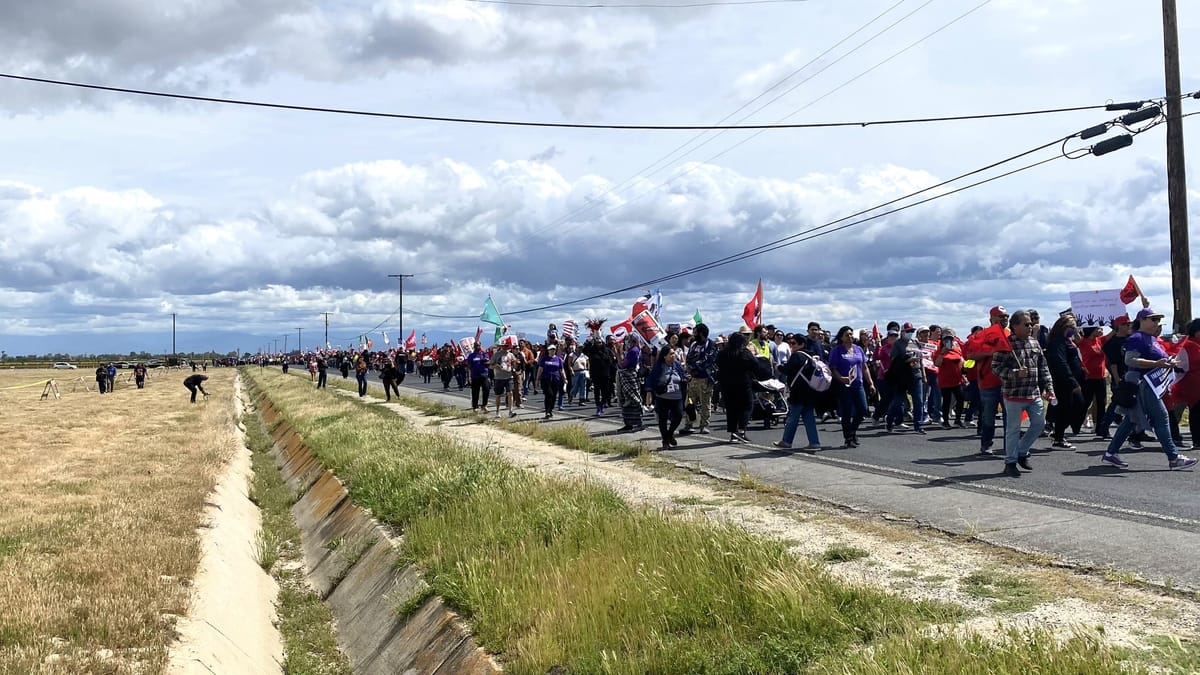
Mel Buer returned to report on a large workers' march in California to celebrate the life and legacy of legendary labor activist Cesar Chavez and to stand in solidarity with immigrant workers across the United States.
Each one of these stories is shared, repeated and amplified with increasing despair and outrage. Our neighbors, our community members, our friends–the best of us, really–who exemplify everything that makes this damned country so great, are being whisked away and sent to prisons in Louisiana, New Jersey or California, where they are swallowed by the machinery of oppression and xenophobia and racism. A black hole that the government intends to never let them emerge from. And each headline brings a wave of fresh horror, a panic and rage that rises like bile in the back of my throat, followed swiftly by questions:
Why won’t anyone do something? Are we supposed to just let this happen? Let these monsters ruin the lives and dignity of human beings without consequence?
What do we do?
 Luke O’Neil
Noelle Perdue wrote about the looming threats to the adult entertainment industry from the Trump administration and the architects of Project 2025 and talked to performer Siri Dahl about what it portends.
“Since January 21st, most mornings I wake up in a mild panic,” said Dahl, “worried that I’ll check the news to find that Trump just signed a new Executive Order declaring porn illegal. I’ll have to move out of my house that just became unaffordable overnight, and tell my cats mommy can’t care for them anymore while I look for a job that will pay anything near a living wage when my resume is 12 years of experience in the adult film industry.”
She described the frustration of turning to her audience – ostensibly a group of people who would care if she and her medium of choice – were outlawed, only to be met with what felt like overwhelming indifference.
“It seems like although everybody watches porn, nobody thinks it’s important enough to defend.”
 Luke O’Neil
Here's Steve Coy with a very funny piece about a very important and necessary new development in recycling with the launch of an AI-powered recycling kiosk.
I wish the Olyns founders could be forced to experience the futility and embarrassment of standing at one of their Cubes, practically begging it to eat your trash, short-circuiting when the robot spits it back out at you with a flash of red light. The frantic push to rid yourself of all your containers within the allotted 10-minute window. The impotent rage when you don’t, and must wait out the cooling-off period and log back on to start a new session for those lonely stragglers. It’s the Office Space paper jam for people who want to make a couple bucks.
 Luke O’Neil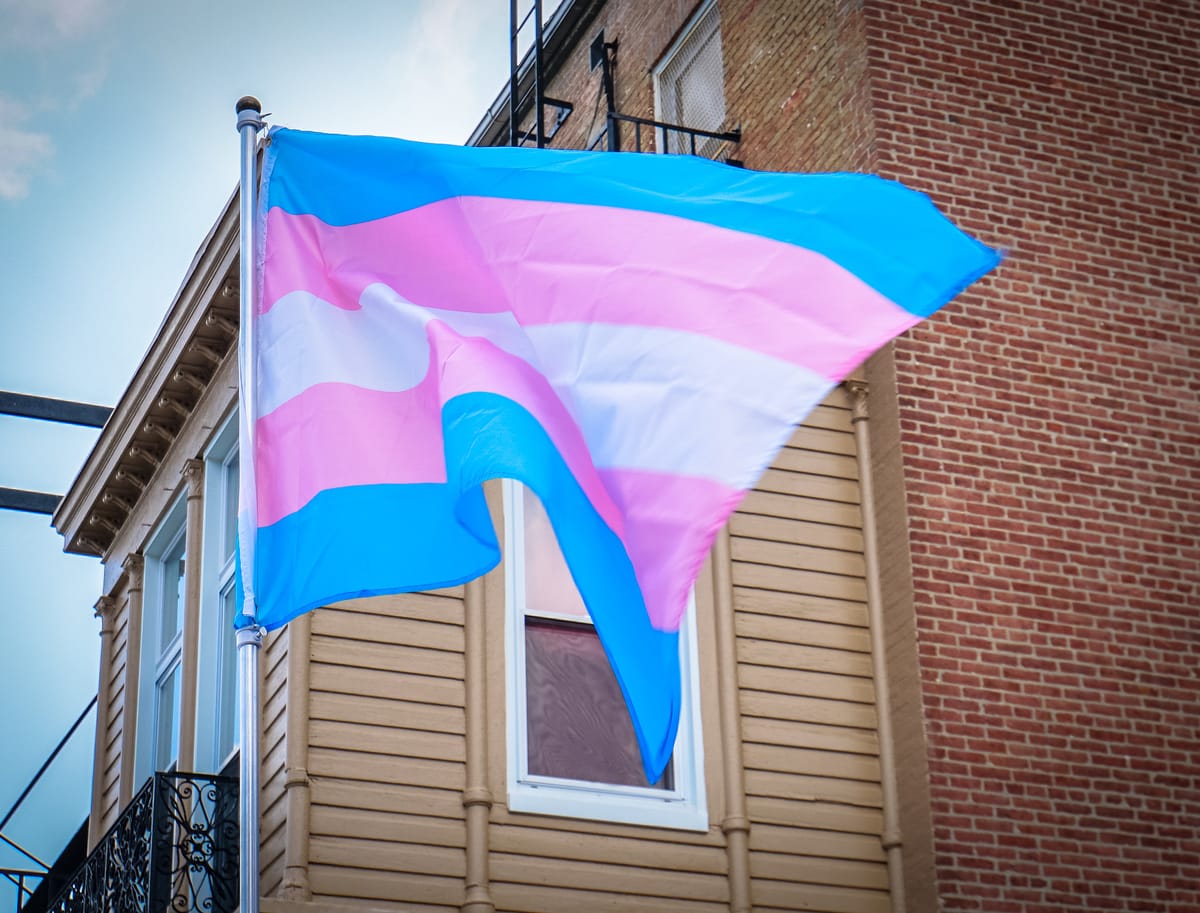
Patrick Kuklinski wrote about how it feels being trans in America right now.
There’s no reason that someone cannot be transgender and American at once. Transgender Americans pay taxes, go to work, have kids, and live our lives. Thousands of us were enlisted in the U.S. military prior to the resurgence of Trump’s military ban. The perception that trans people spend all day simply Being Transgender – engaging in activities like converting young people into the nefarious Transgender Cult and creeping in women’s bathrooms – is blatantly false.
Despite rationally knowing that, like everyone else, we’re just fucking people, the right is still willing to turn on us simply because we’ve done something they don’t understand or agree with. Far-right talking heads know we pose no threat to other Americans, but given that many transgender folks believe in wild fantasies like free healthcare, living wages, and a shot at a decent life for everyone, it makes sense to kick us while we’re down, before we can grow to have a voice.
 Luke O’Neil
Sean T. Collins wrote about the success of Ryan Coogler's Sinners and how audiences are clamoring to see depictions of racists and fascists getting dumped in the fucking trash. He also dug into The Pitt and Daredevil and Andor.
There is an audience — a massive one, as Sinners proves — for forceful fuck-yous to fascism, racism, willful ignorance, gleeful sociopathy. There’s nothing delicate, nothing safe about any of it, either. People want to see antivax moms get yelled at by the guy from ER. People want a supervillainous politician as openly awful as the people currently occupying the White House and Gracie Mansion, and they want heroes who’ll take the fight right to him and his goose-stepping thugs. (You would be shocked at the sheer number of uniformed NYPD the Punisher murders alone.) They want to watch the Empire go down in flames not just at the hands of sword-wielding space wizards, but regular people who said enough of this shit and had the courage to walk the talk.
 Luke O’Neil
An extraordinary piece of reporting and writing by Bill Shaner on an ICE kidnapping in Worcester, MA.
As they're marching this woman to the back door of the tan unmarked Ford SUV representing her nebulous fate, the community is swarming, surrounding, yelling at the ICE officers. City Councilor Etel Haxhiaj, a dear friend and a relentless advocate for her community, is following closest behind them. She's screaming. "You are cowards." She's jogging to keep pace as they march their jackbooted march to the SUV with New York plates. "This is an innocent woman."
An ICE agent opens the door and the woman's daughter shrieks—an unforgettable noise of agony. Her mother is about to disappear, into the purposefully vague bureaucratic world of forced removal. The opening of that door, to this shrieking girl... it must look like a life torn apart. Her family fractured. And for what? No one bothers to explain that to her. Perhaps they’re not allowed to. The rules.
 Luke O’Neil
Simon Childs wrote about the somehow still increasing anti-immigrant sentiment and further shift to the right from Labour and Keir Starmer in the UK.
Each rightward lurch is met with disappointment from Starmer’s liberal base and ridicule in the right wing press, but it always seems to justify the next turn of the ratchet. The prime minister’s panicked advisors never seem to understand that his broad but shallow electoral coalition could easily turn away, while the right will never be satisfied with diet bigotry, when the full-fat, real deal is available. Just a few more minorities thrown under the bus and the right wing media blowhards will be nice to you, Sir Keir, definitely. Onwards to victory in 2029.
 Luke O’Neil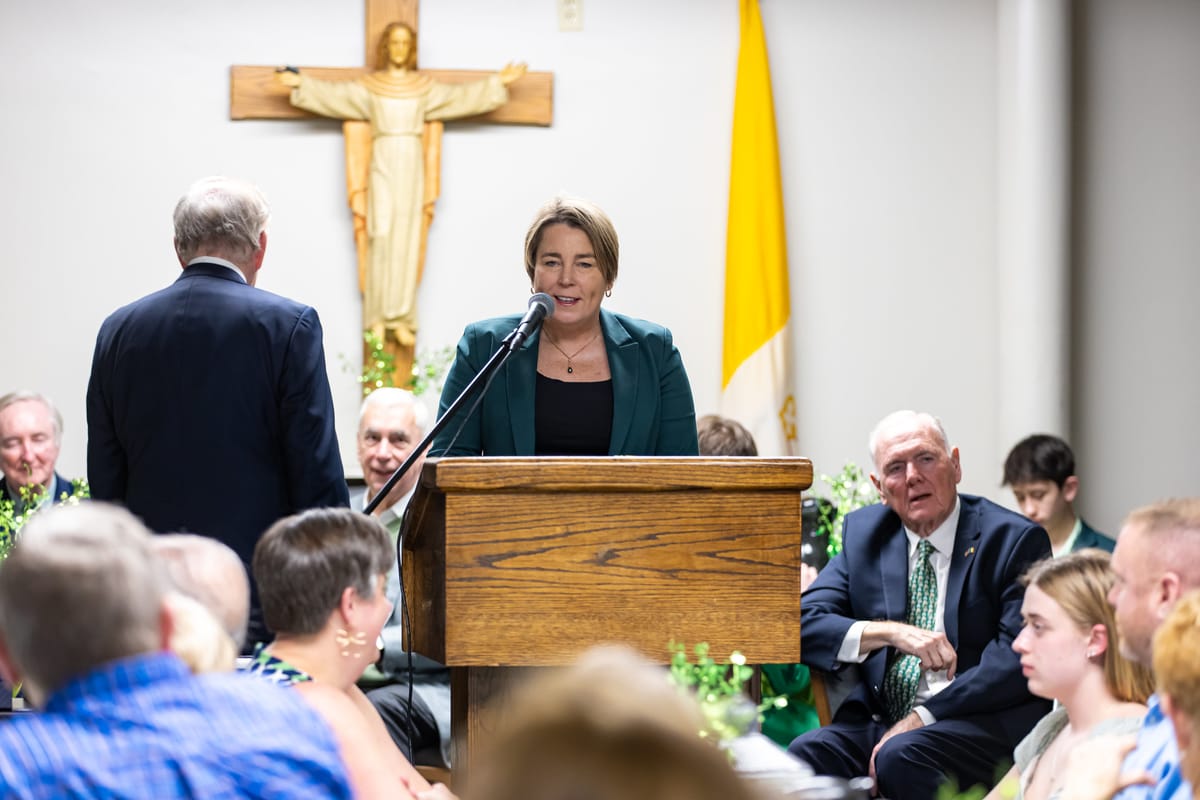
Here's Andrew Quemere on what Massachusetts governor Maura Healey has in common with Trump's approach to immigration enforcement.
If we’re thinking purely in terms of the horse race, it does not make strategic sense to concede an issue to your opponent if their policies are wildly unpopular with your base and relatively unpopular with independents. You do not, under any circumstances, gotta hand it to Trump for his immigration crackdown. And yet here we find ourselves.
To understand why Healey is praising Trump, you need to understand that she is not a liberal or progressive—she is a cop. Before being elected governor, she was the state’s attorney general, which makes her a prosecutor, which makes her a cop. As attorney general, Healey constantly defended harmful and regressive policies like cannabis criminalization. She advocated for loosening our state wiretapping law to give police expansive surveillance powers. And she pushed the state legislature to not prohibit police from conducting violent “no-knock” raids at homes with elderly people and children. Her ideology is cop.
 Luke O’Neil
A dazzling array of writers, including Amanda Mull, Kylie Cheung, Katie Way, Grace Robins-Somerville, Emma Garland, Emily Yoshida, Miles Klee, Rax King, Andrew McNally, Luis Paez-Pumar, Gaby Del Valle, Sydney Bauer and more wrote about the best of Lana.
Robins-Somerville wrote:
Listening to Lana in middle school felt like projecting my awkward adolescent self onto this avatar of idealized femininity. She was like a Barbie for girls who were too old to play with Barbies, a dramatized version of womanhood for not-quite-yet women. When I listen to Lana as an adult around the same age that she was when she first broke into the semi-mainstream, even the newer stuff still has me hyper-aware of my Russian nesting doll self (apologies for mixing doll metaphors). It’s the same way that part of me suspects that anyone who’s ever expressed attraction to me is actually joking—the part that’s piloted by a 12-year-old girl who got asked out as a prank that my entire homeroom was in on or by a 14-year-old-girl who got rated a 5/10. It’s the part that knows no amount of true love or feminist theory or dancing alone in my bedroom or orgasms from men who care about me will negate the slow weight of a life shaped by misogyny—whether it's of the eventful or everyday variety. It’s Lana noticeably lowering her voice while she sings the word “rape,” before admitting, “Won’t testify, I already fucked up my story,” and it’s the memory of a friend pointing out that I’d whispered the same word in the middle of a conversation spoken at a normal volume, and how this unintentional break in my vocal pattern gave me away immediately. It’s the crushing feeling that I was assigned a role once impending womanhood made everyone see me differently before I was even capable of seeing myself, the pain of knowing that there is a casually carefreeness and freedom and personhood that will always be out of my reach.
 Luke O’Neil
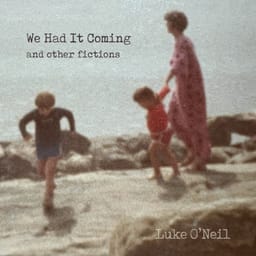
Sean Beckner-Carmitchel has been out in the streets of Los Angeles reporting on the federal and local cops' assault on the city and its beautiful people all year. He wrote for Hell World on what it was like to be there the first few days after a wave of protests kicked off over the summer despite having been shot in the face himself by cops with a tear gas canister.
As I returned to the center of things in Paramount, it began to falsely calm. Then quite suddenly federal agents ran into the street and began batonning the few people who had remained. A large crowd once again ran onto Alondra Boulevard. The now seemingly routine practice of protesters moving their way onto Alondra, agents firing tear gas, then protesters fleeing started again. Off to the side, a large volley of tear gas began to fill Alondra once again.
I felt a sudden blunt pop on my head that felt like a baseball. I heard a loud noise and saw a large bang just to my right. As far as I can tell, I was hit directly in the temple with a teargas grenade.
My eyes watered and pain seeped into my temple. Barely able to see, me and a colleague, who had also been hit, found our way outside of the area. My entire right side was absolutely covered in the particulate dust that causes chemical irritation.
 Luke O’Neil
LeVar Lawrence wrote about his experience during Covid in the Coler Rehabilitation and Nursing Care Center, a public nursing home on Roosevelt Island in New York City, when he and many others were left for dead by then governor Andrew Cuomo.
I wish more people knew that Cuomo’s a fucking asshole. He let them stick people that had Covid in here side by side with us. It led to a lot of people dying. When people liked Cuomo’s press conferences, it felt fucked up for them not to know the truth. There were bodies being carried out of here left and right while people were complimenting this man on doing a good job. He actually did a fucked up job. He could’ve prevented a lot of things from happening the way it did. I want to tell the next mayor not to do the same dumb shit Cuomo did to us and to realize that people in nursing homes matter.
 Luke O’Neil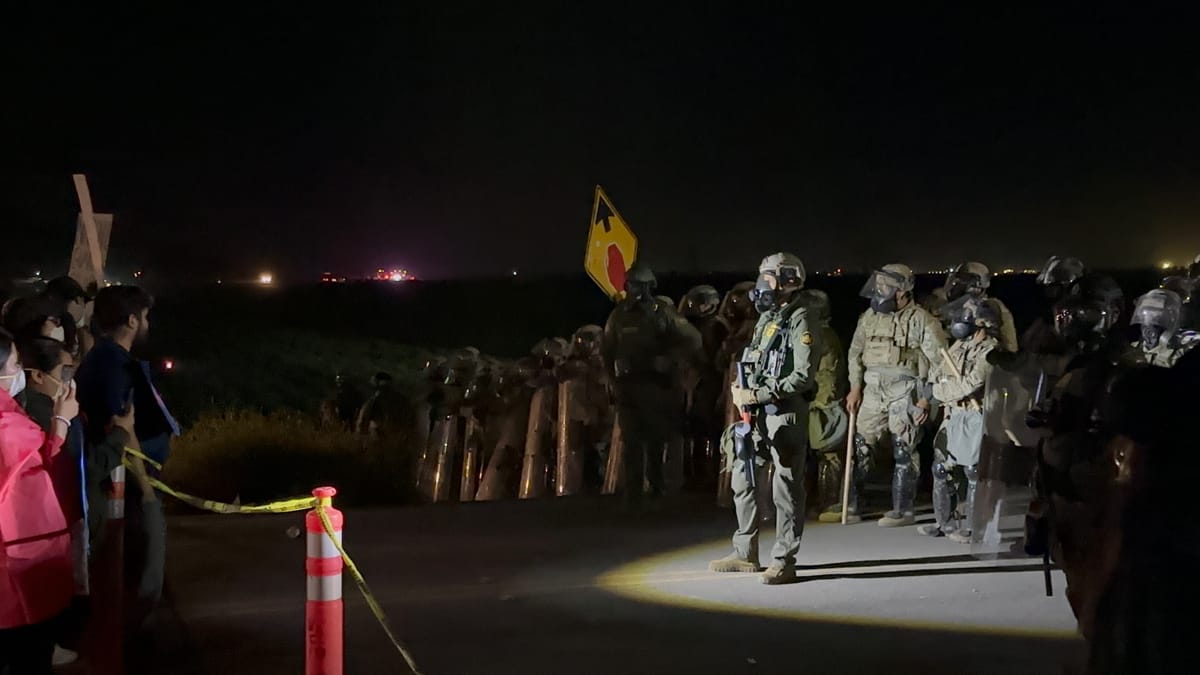
Another great report by Mel Buer from the scene of a raid at two cannabis farms in California in which one worker was killed and a couple hundred others were arrested.
The next day, the gravity of the situation became more clear. Workers reportedly hid from advancing lines of heavily armed agents in greenhouses for hours. On Friday afternoon, some workers were still unaccounted for. Many were injured. The rumor rolling through the press gaggle outside Glass House farms in Camarillo on Friday was that some workers were still hiding, unaware that the operation had ended and that they could return to their homes. One family member we spoke with outside the gate hadn’t seen her uncle in over 24 hours. She was waiting, worried, with her friend for any mention of him. Among those unaccounted for were a college professor, a disabled veteran whose car was found with its windows smashed out, and dozens of others–men, women, young teenagers.
One man died after he reportedly fell 30 feet and broke his neck while being pursued by agents during the raid. His family took him off life support Friday afternoon. By all accounts, he was a glorious human being. A family man, a father, and the sole supporter of his family, working hard to give his children a chance in this grand, American land of promise.
 Luke O’Neil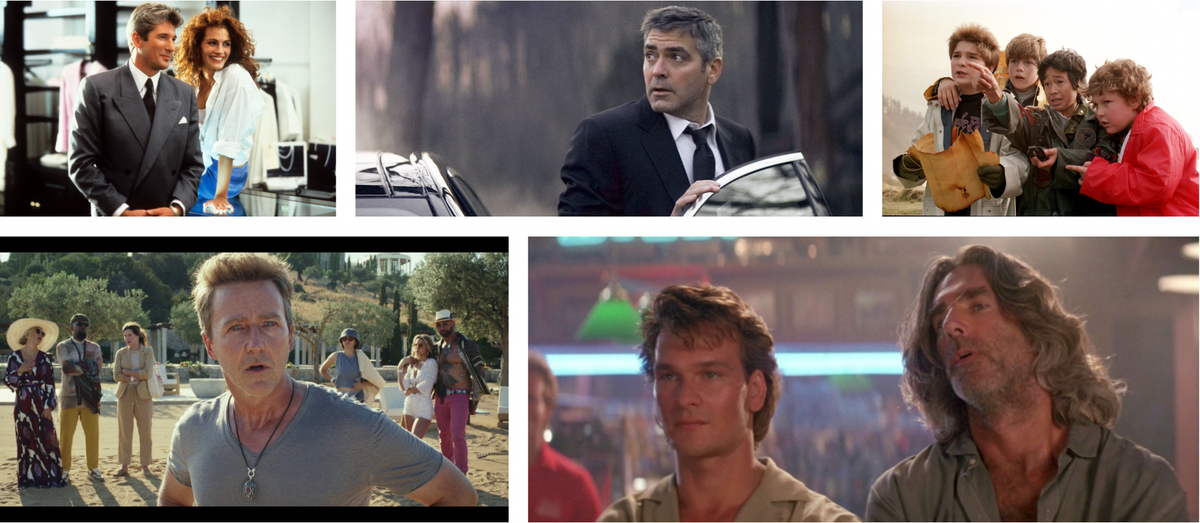
Del Winters traced the evolution of how films from the 1970s through today reflect our collective anxieties under capitalism over land seizure, gentrification, consumerism, worker alienation and isolation and more.
If you're the protagonist of these movies, the person ruining your community is known to you. At your moment of triumph, you can tweak them on the nose or riddle them with bullets or rip up their foreclosure documents because they're there, physically, in front of you. As corporations snapped up more and more land and strip malls emerged as the dominant suburban life form, movies where neighbors and friends came together to save the town occupied less and less of the pop culture milieu. The fight was lost, and by the next decade a new villain had emerged, this time in the mirror.
 Luke O’Neil
Dave Wedge reflected on the lift and legacy of Ozzy.
As a journalist for the Boston Herald I was fortunate to have interviewed Ozzy several times. In 2010 he talked to me about his struggles with getting clean.
“I don’t drink, I don’t smoke, I don’t do drugs anymore. I’ve done all the drugs I’ve needed in my life,” he said. “It’s just good for me to be sober. Sometimes I go, ‘Yeah, a doobie wouldn’t be a bad idea.’ But then if I have one joint, next thing I’d be drinking beer for hours, then it’d be vodka and then it’d be coke. I know what will happen so I don’t go.”
He was honest with me about his hard won sobriety.
“I used to go, ‘How will I enjoy music anymore?’ he added. “But it still goes on. I don’t have to be a participant anymore. I don’t want to.”
 Luke O’Neil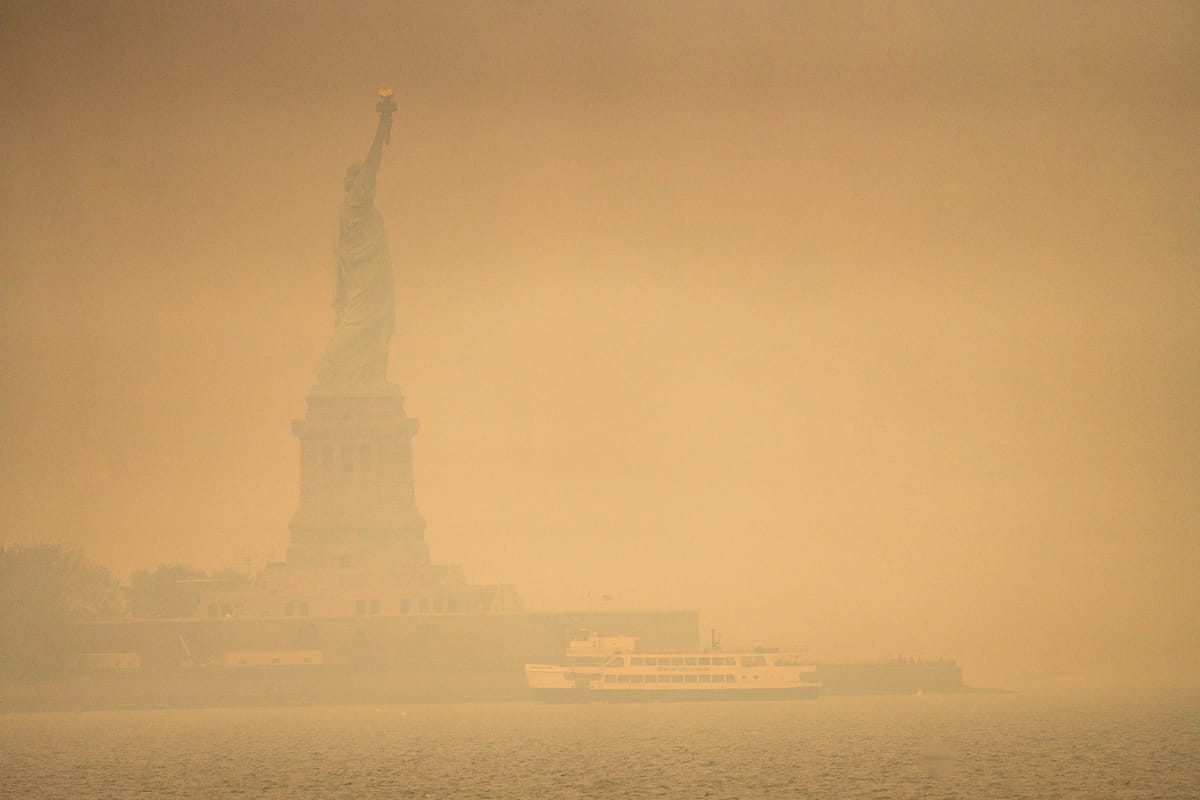
A good one by John M. Ganiard about watching Girls for the first time in 2025, the oppressive wildfire smoke, homelessness, our addiction to our phones, and the inability of art to capture the realism of the present anymore.
Watching Girls I felt no nostalgia, or even its inverse, which is the shuddering relief that you don’t ever have to return to a certain time and place. I felt lurid fascination. I was watching the very moments of an era’s extinction. Those years now seemed to me like the last time any aspect of the present in America could be reasonably imagined, represented, and thus meaningfully depicted. This is quite likely the very thing I doubted as I dutifully avoided it. It was a doubt that overwhelmed and shrouded the show’s reception each season despite its success. And despite some critics at the time adeptly recognizing it as at once a “bold defense (and a searing critique)” of its millennial subject matter, as well as a show “attuned to a narrow type of rarely-seen-before verisimilitude” belied by the contemporaneous culture’s constant need to “receive” it “through a lens of unyielding literalism—as if the show were the world.”
 Luke O’Neil
Raven Geary reported on a spate of kidnappings and violence against immigrants in the Chicago area over a week in September, including a man who was shot to death by ICE.
Early morning every goddamn day they’ve been out there stalking their targets, but the stupid parking lots on either side of the stroad are so big it’s nearly impossible to position yourself correctly to even look out for them. They’ve become so very efficient at their terrible business. They could be sitting in any of hundreds of cars. We try to stake it out anyway. We’ve been trying to stake it out. Someone has to watch. It all feels like searching for a hammerhead in murky waters.
I don’t quite know how to explain what it’s like to feel them but not be able to see them but I promise it’s a thing. Some kind of electromagnetic cop radar that I take no pleasure in having developed over the years.
 Luke O’Neil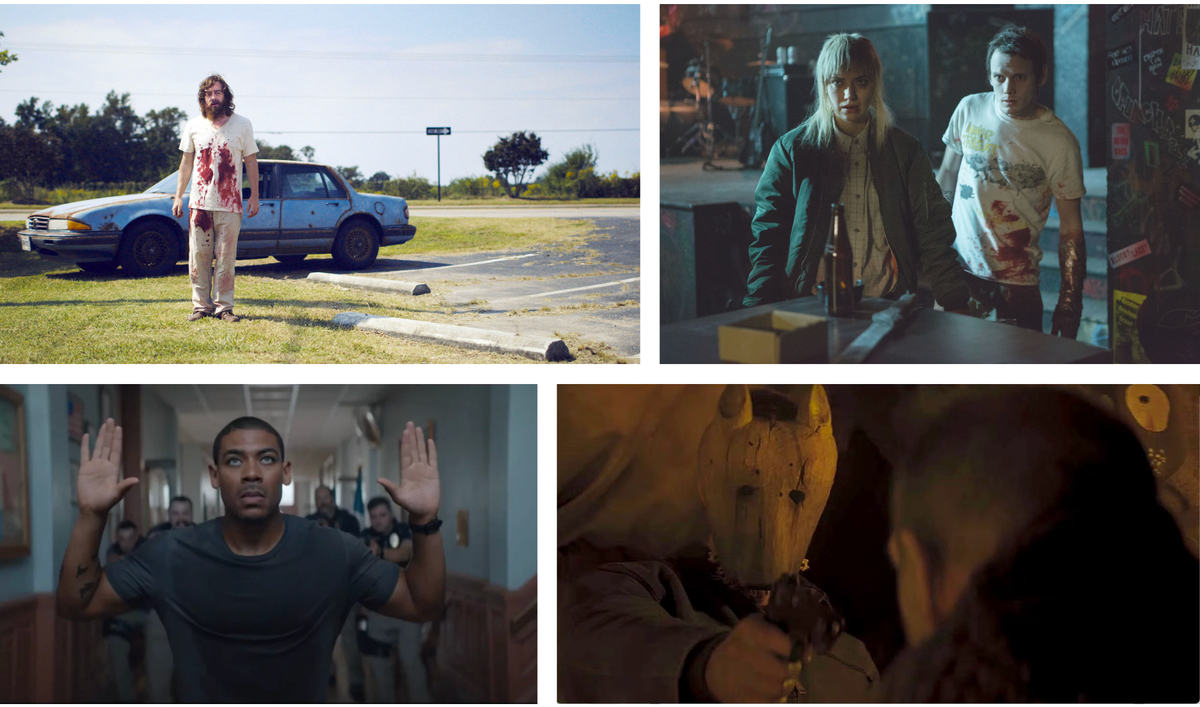
Corey Atad dug into the films of Jeremy Saulnier, including Blue Ruin, Green Room, Rebel Ridge, and American violence write large.
Violence has been Saulnier’s great subject from the start, and he takes particular interest in its resulting carnage. Unlike other gorehounds, there’s no stylistic pleasure to be found in the way he splashes viscera onscreen. Even in Murder Party—which descends into cartoony levels of “how is this person not dead yet?”—the bloody mess is difficult to take.
 Luke O’Neil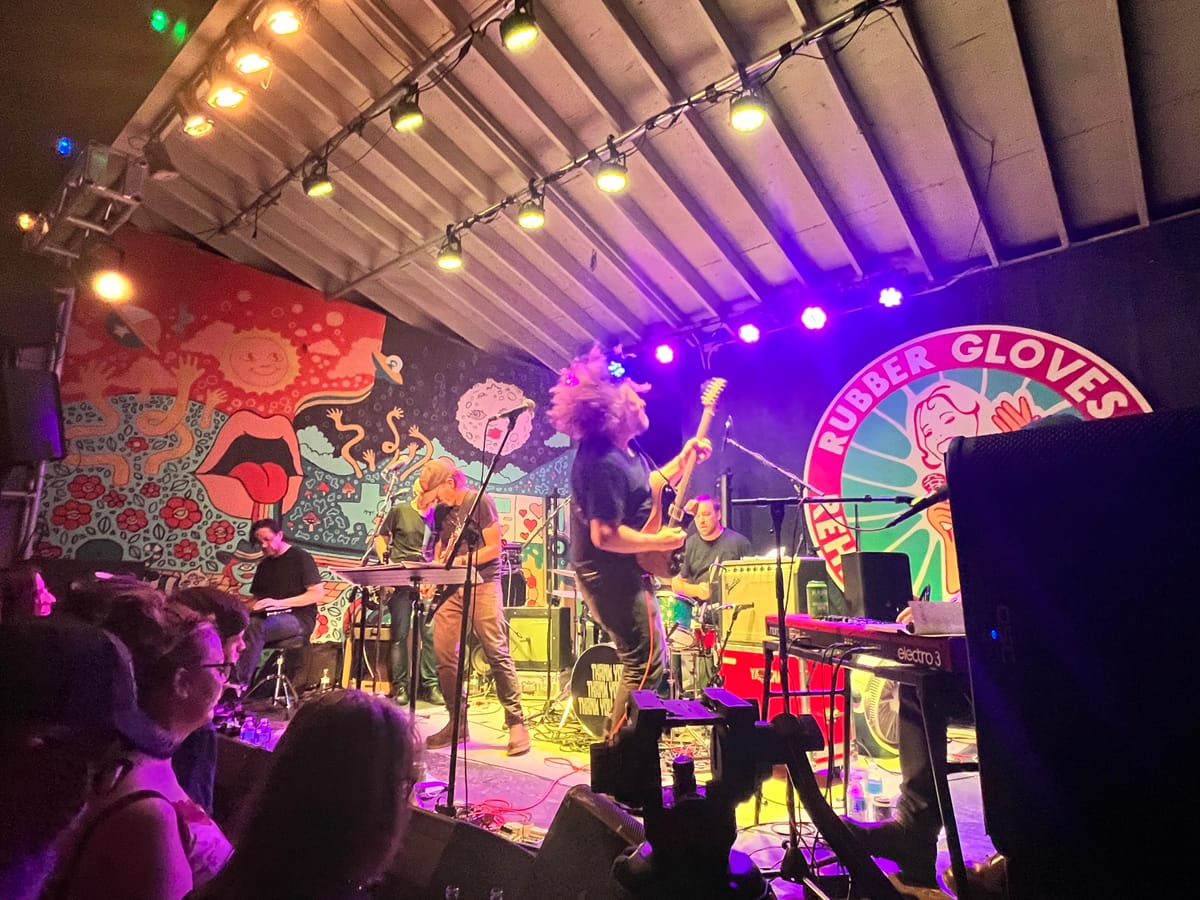
Erin Osmon wrote about two Magnolia & Johnson Electric Co. concerts in Texas and the recently released I Will Swim to You Jason Molina tribute album.
Last Saturday, a crowd of 500 gathered under the big Texas sky. In Denton, a vibrant college town north of Dallas, old folks, middle-aged folks, 20- and- 30-somethings and kids with big black X marks on their hands coalesced around Magnolia & Johnson Electric Co., the latest tribute to the late singer-songwriter Jason Molina of Songs: Ohia and Magnolia Electric Co. It was a night whose emotional vibration may only be described as divine. At Rubber Gloves, a long-running DIY rehearsal space and venue — a continuation of the kind of “Texas weird” consecrated by Willie Nelson and Armadillo World Headquarters in the 1970s — the band’s outdoor performance, and the energy it stirred, was bigger than our physical bodies. Its spirit met each rapt soul in its place, and freed it of its burdens.
The Ohio-born Molina’s songs are steeped in a heartland-meets-Southern gothic mysticism that blends ghostly imagery with the natural world and the Rust Belt’s powerful grit. The owls, moons, ghosts, horizons, broken hearts, and iron ore of his lyrical menagerie are tantamount to hieroglyphics etched in stone — immortal and mysterious, affecting and singular, a series of clues that transport its audience to a specific place in time. When placed in the context of the night’s players, they took on a new power.
 Luke O’Neil
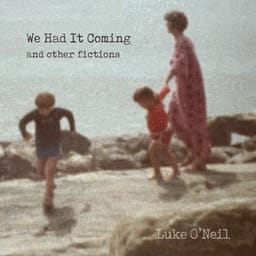
Steve Coy came back to write about the pop-up pop-art experiences that have become common in recent years, as well as antisocialism, infantilization, and the conflict avoidance of the current state of sloptimization.
It’s not just that enshittification has come for our leisure time, infecting the activities that are supposed to provide a respite from the ache of modernity. Capital’s gonna capital, pushing us toward the transportive comfort of watered-down entertainments that run on the same rails as all the other slop.
The problem is that it’s working. Life under tech-dominated capitalism is so degrading, so exhausting, that more effortful diversions start to feel that way, too. “I’m not paying you to think” is something an asshole boss might say; it’s also what you tell Netflix with your subscription dollars. Why seek out a rep screening of The Cranes Are Flying when for a few dollars more I can let out my frustrations kicking around six-foot balloons? To be fair, I can’t even say there was nothing interesting about standing alone in a basketball court-sized enclosure and beholding this Orb.
 Luke O’Neil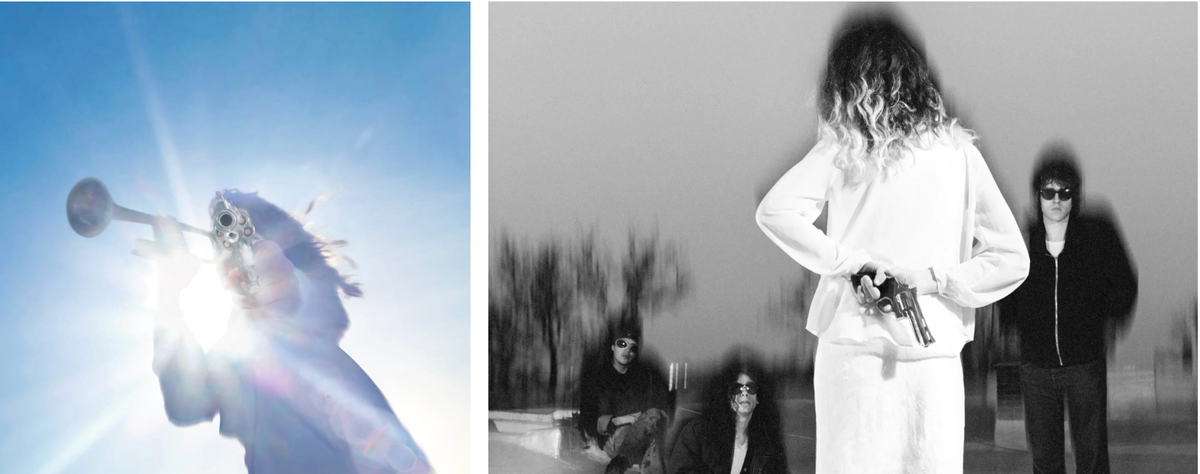
Christopher Harris wrote about everyone's favorite young indie rock band Geese and their wild and singular new album Getting Killed.
I love this record. I’m also fascinated by its reception. Once upon a time, I wrote a novel about a rock band, one theme of which was the death of The Rock Band. My characters came along too late to experience the spoils of “the business” as they used to exist…and this was set in 2016! The real-life musicians I followed around back then couldn’t understand why the dreams of stardom—or at least financial solvency—that seemed so possible a few years before now eluded them and most everyone they knew, and obviously the rock biz has only gotten bleaker and more fragmented since then. There probably is no zeitgeist anymore, but if there is, new rock songs aren’t in it. I got an advance of Getting Killed a couple weeks ago and it sounded big and weird and to the extent I “get” it now, it took a bunch of listens. It wasn’t easy. It didn’t sound like a thing that would break through.
 Luke O’Neil
Harris also pushed back against the almost universal praise One Battle After Another has been getting.
In a piece for Defector that made me feel less crazy, Jason England says that for a certain kind of 2025 viewer, “any vaguely liberal message (is seen) as profound and worth celebrating…. This sort of art…is an extension of our incoherence and desperation sold back to us as its cure. We validate it to reassure ourselves.” I think that’s true. I think well-meaning folks desperately want OBAA to say something, so they decide it does. But I also think Matty Goddamn Yglasias and the titans of Hollywood are willing to go rapturous over a film like this because in the end, PTA’s “vision of revolution” is so so so safe. This is a formally inventive, intellectually timid movie.
 Luke O’Neil
More good stuff from Sean T. Collins on the extremely stupid, fascist-sexy (?) and illustrative of "how things are now" series The Hunting Wives.
The libidinal appeal of fascism is a perversely powerful motivator. The thrill of exerting brute force against the weak is formidable and irresistible enough for some people — a sort of death’s-head hedonism that grants its practitioners a nigh-orgasmic sense of autonomy not through giving or receiving physical pleasure, but through inflicting physical pain. Seen in this light, fascism is the ultimate form of liberation. It sets you free not, or not only, from propriety, but from our shared humanity itself.
 Luke O’Neil
And Collins again on One Battle After Another and Kneecap.
Speaking personally, I don’t particularly want to live through several decades of low-grade civil war. I don’t want my friends and neighbors to be abducted by secret police. To paraphrase a once-sane person of Irish descent, I don’t want a fascist regime to make us morons. But if I’m gonna have to live through it, Kneecap’s loud refusal to act like anything but free people is an inspiring model. If the elites are determined to model capitulation, it’s up to every beer-sluggin’ weed-smokin’ coke-sniffin’ ket-snortin’ one of us to model defiance, as loudly as possible. Tiocfaidh ár lá, get the Feds out lad, a one-way ticket please, I’ve lost my bus pass.
 Luke O’Neil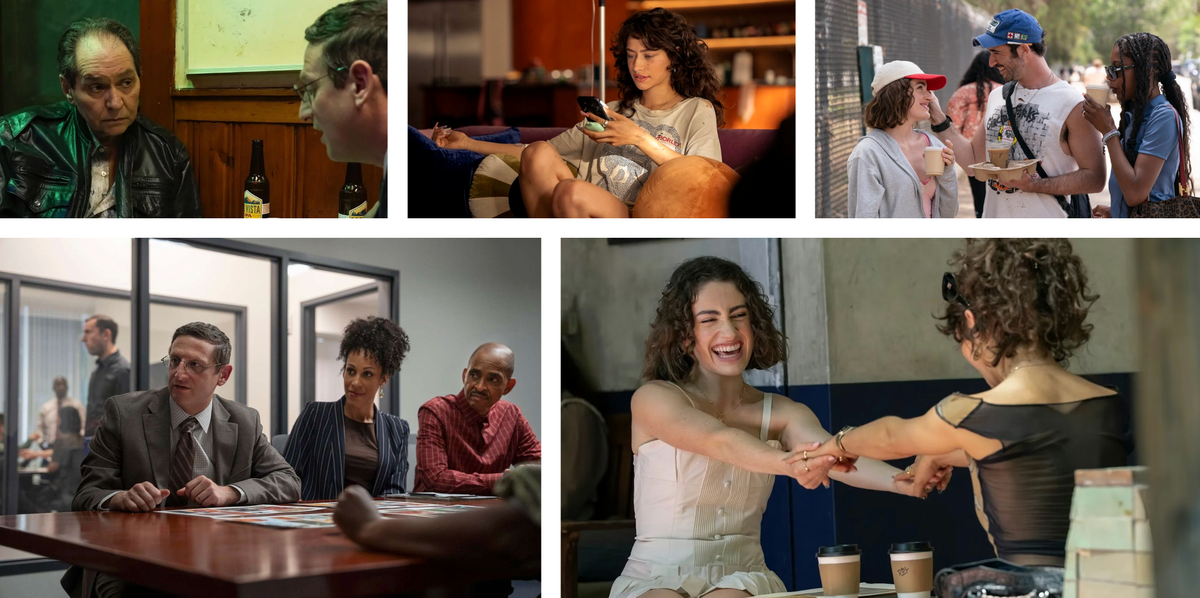
Collins also wrote about The Chair Company and I Love LA.
The Chair Company, by contrast, is based on the idea that you, dear viewer, absolutely hate people who rip other people off. You hate them so much that you will sit down and watch a sprawling, surreal, unresolved Twin Peaks–style mystery about an effort to take down a bogus company, conducted by the single most off-putting man on the planet. The show stars cringe god Tim Robinson, once again working with his I Think You Should Leave co-creator Zach Kanin, and indeed it does for ITYSL’s painful office-based sketches what writer Robert Kirkman wanted to do for zombie movies in the original Walking Dead comic: This one never ends!
 Luke O’Neil
Zack Budryk wrote about what it means to be a man, the impulse to take action during times like these, vigilante justice, One Battle After Another, and being someone that can be trusted.
So as the nights grow longer and new horrors crowd the news and sometimes it’s easy to think the sun will never rise, I’m still reflexively wondering, as white noise, how to be more of a man. I suppose I could learn martial arts or how to shoot. Or maybe, if I care about what I do more than what I’m seen doing, I could try to be more like Youman Wilder or Sensei Sergio or my grandpa. Maybe when the shit hits the fan, people need someone they can trust more than someone who does something.
 Luke O’Neil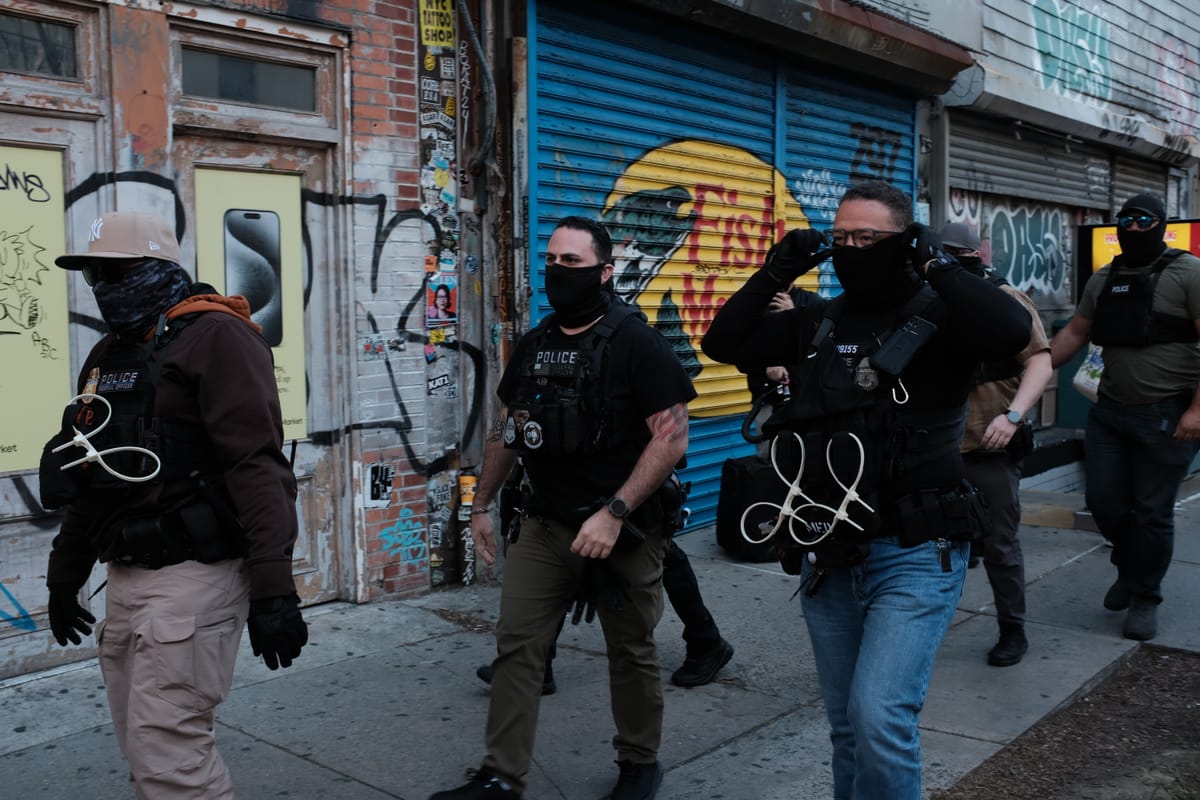
In this one Sam Thielman wrote about an ICE raid on Canal St. in New York and everything these pigs are trying to destroy that makes his city beautiful and Carmen Aiken wrote about ICE raids in Chicago and everything these pigs are trying to destroy that makes their city beautiful.
Thielman wrote:
American law, it seems to me, exists to create a condition of constant titillation for people whose material needs are never unmet, but whose appetites have been teased into a state of ungovernable sadism by sloganeering and advertising that promises a return to a world that never existed and never will. For you it is merely your life; for them it is content, something to send giggling to their friends in the group chat or watch with satisfaction on the news in between car commercials. Let that show the stuck-up girl at the office, the barista who rolled her eyes at you, the ranting homeless man who lives under the overpass. Providing this sort of satisfaction is now the aim of our entire federal government. They offer signing bonuses and lowered standards to whatever pathetic slob will make a foreigner cry for the camera. Just one more freeloader exiled from the Kingdom of Heaven. If they keep this up, soon there will be nobody left here but the true citizens, and surely then it will all be made Great Again.
Aiken:
It’s not a coup like I’ve known them. It’s the KKK rampaging through the street in disguise. It’s the SS hauling people out of their homes in the middle of the night. It is fascism, certainly. They are awful, cursed souls. This is all the point.
I am Okay in the way that better people than me were helpless and so I am doing what I know to do. This includes the whistle I carry, my noting of cars and addresses and eyes on alert, the grocery drives and donations to street vendor funds, the marches, the protests.
I don’t sleep well anymore and my dreams replay some of the terrible things that have happened to me. How are you? Shit’s fucked. My windows have been open in the weather and in the morning I hear the helicopters circling, I keep my ears open for a whistle, for a scream, for their awful cars to go screaming down Archer.
 Luke O’Neil
What a treat to be able to publish a couple of new poems by the great Sadie Dupuis in this one.
Beaver chops his toothpick tower
Moving the chairs, the tables
The chairs again, and for what?
Why move?
You are the friend, my only friend, who performs
My abortion like a glitter-bowed gift
Ten ways I am taking over this administration
Ten ways I delete
Dreams to stop their corrosion
In the dirty ice, my telltale pimple
Pulsing up like the river’s flow
Small if I use fake measurements
And they’re all fake measurements
Not to mention one from the very talented poet Cody Roggio which went in part like so:
Jay fell out of the house in Rising Sun and fell into a new place in Philadelphia to get stuck at. His mom died, one less mouth to score for. Once in a while the puzzle pieces would line up perfectly for him to take a drive somewhere. He came into some comic books and drove an hour to Delaware to sell them to a guy, who took a look at the box in the trunk, and took a look at Jay, freezing cold talking fast, and didn’t want the comics anymore. Didn’t even want to see them.
 Luke O’Neil
Rax King joined us once again to write about the carnage, sensuality, and longing of Guillermo del Toro’s Frankenstein.
Carnality is everywhere in Guillermo del Toro’s 2025 Frankenstein. I use “carnality” here more for its associations with meat than with sex. I can’t remember another recent film that treats flesh with such overt, expressive sensuality. In one early scene, little Victor Frankenstein’s pregnant mother eats raw offal on the grounds that it’s good for the baby, and we cringe not only because we know this to be incorrect but because of the way the meat squelches between her teeth. Years later, Dr. Frankenstein combs a newly christened battlefield for corpses to build his famous creature. He slaps the dead with vigor, digs his fingers into their purpling thighs. His scalpel cutting through human tissue sounds uncannily like a steak knife slicing a buttery filet. This director demands that you love oozing, stinking, rotting life as much as he does. He knows you don’t know how, and he is going to spend the whole film showing you.
 Luke O’Neil
Another deeply felt and defiant piece by Zack Budryk about what it was like being diagnosed with autism in the brief period where things seemed to be getting better culturally, and how much worse Robert Kennedy and the Trump administration are making it for people like him going forward.
“I have tasted freedom. I will not give up that which I have tasted,” Harvey Milk said before he was elected to San Francisco’s Board of Supervisors. The refusal to give that freedom up would outlive Milk, and during nadirs like the AIDS epidemic or the evangelical hegemony of the George W. Bush era, it often seemed like it was no closer than on the day he died. But history bore out that nothing, good or bad, was inevitable. So too does it go for autistic Americans. Once someone knows they are entitled to respect and human dignity, it’s a real bitch to make them forget it, and to keep them from trying to teach others the same. So too for the trans community as we speak. Some day Kennedy and Trump and the rest of these careless villains will be out of power, and the good work will continue. Those doing it will include people like me, like us, the ones who already understand our worth and value. I will never believe myself undeserving of love again. Just as the vow to my wife that I took said, no man will tear that asunder.
 Luke O’Neil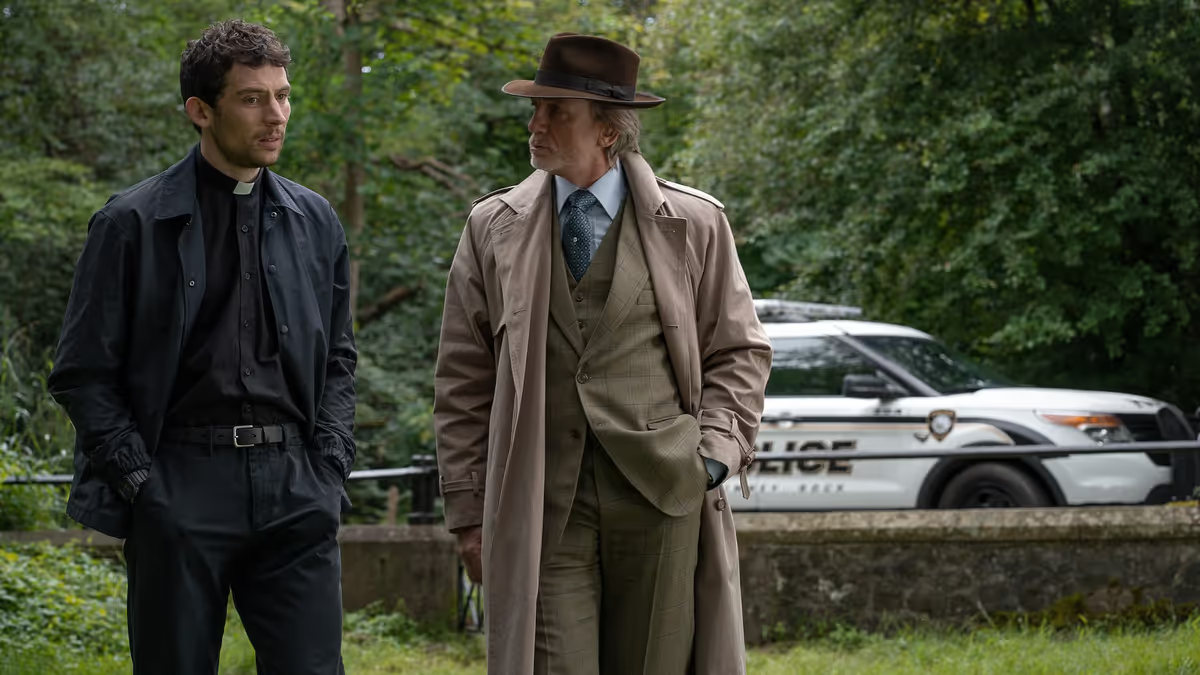
Budryk also recently wrote about Wake Up Dead Man and its very odd "Catholicism," and how it feels becoming more religious and moving even further to the left as he gets older.
An age like this, when the world can feel more chaotic, incoherent and unresponsive to any moral order, seems like a time to either start believing more strongly or to recede into nihilism. Staying put doesn’t feel like an option. This may be why I’m significantly more religious than I was growing up, which probably sounds at odds with the fact that I’m also far to the left of where I was back then. But ultimately, I’ve found the two are part of the same trajectory, despair with the cruelties of empire and capitalism, and a conviction, strong and growing stronger, that either spiritual or secular redemption is possible.
 Luke O’Neil
"The playbook here is familiar," Parker Molloy wrote. "Find a trans person in a position of minor institutional authority. Manufacture or amplify a confrontation. Blast it through the conservative media ecosystem until it becomes national news. Watch as institutions capitulate."
This is an industry now. There are jobs, salaries, speaker bureaus, and career tracks. The right is always looking for new faces to put on this movement — young, photogenic people who can be positioned as victims of trans overreach. The detransitioner who regrets her surgery. The swimmer who tied with a trans woman. The Christian student whose essay got a bad grade.
Samantha Fulnecky fits the profile. She’s a college student. She’s Christian. She wrote about her faith and got a bad grade from a trans instructor. It doesn’t matter that the essay was genuinely bad, that two instructors agreed on the assessment, that the feedback was professional and patient, or that the grading rubric supports the decision. The narrative writes itself: trans professor fails Christian student for quoting Bible.
 Luke O’Neil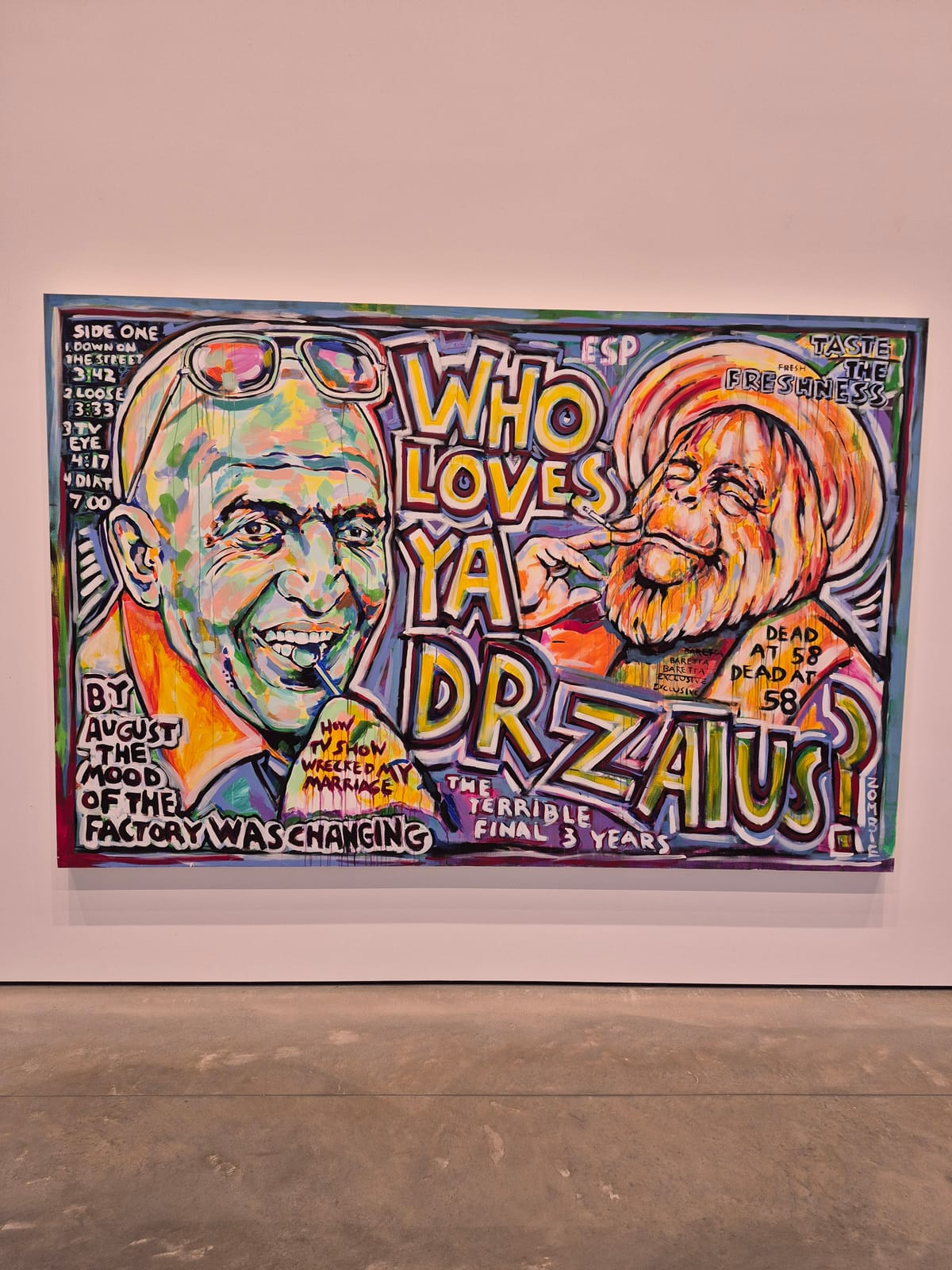
And finally David Roth was predictably great and hilarious on the art of Rob Zombie.
It was initially surprising to me that I found it fairly easy to process the fact that Rob Zombie is 60 years old, and painting. There was never a public version of Rob Zombie that seemed young, exactly; the look he cultivated was closer to “previously dead” than anything traditionally youthful. There was too much stagecraft and artifice and makeup and hair involved in the version of Robert Cummings (that’s his name) that became famous to get an accurate reading re: when the very gnarly man howling at the center of all that strobing light and noise—a man who had very consciously styled himself like one of the feral desert weirdos from the 1977 version of The Hills Have Eyes—might have graduated from high school. You wouldn’t think to worry about how old that dreadlocked dead guy in a big weird hat is. You would be more concerned with how recklessly he is driving his overstated steampunk car.
Thanks again for subscribing. Tell a friend maybe? I'll be back soon (I think) with a newsletter rounding up my own best pieces of the year. We're gonna figure this thing out man. We're gonna make it.