Watching the very moments of an era’s extinction
Representing the American present


You could probably publish an anthology of near speculative fiction right now titled The Day It Happens and sell 100,000 copies.
I wrote something to that effect which I'll share down below. Today's main thing is a really smart and moving essay about watching the television series Girls for the first time in 2025. It's not just about that though obviously. Like any good Hell World piece it's also about the oppressive wildfire smoke and homelessness and our addiction to our phones and the inability of art to capture anything resembling the realism of the present anymore.
Except of course for We Had It Coming (OR Books 2025) that is.
It goes in part like so:
"Watching Girls I felt no nostalgia, or even its inverse, which is the shuddering relief that you don’t ever have to return to a certain time and place. I felt lurid fascination. I was watching the very moments of an era’s extinction. Those years now seemed to me like the last time any aspect of the present in America could be reasonably imagined, represented, and thus meaningfully depicted."
Hold on a minute though. Check out this great piece in Defector about the creative team behind Zohran Mamdani's videos including Hell World contributor Donald Borenstein. It's written by another Hell World contributor Corey Atad.
 Corey Atad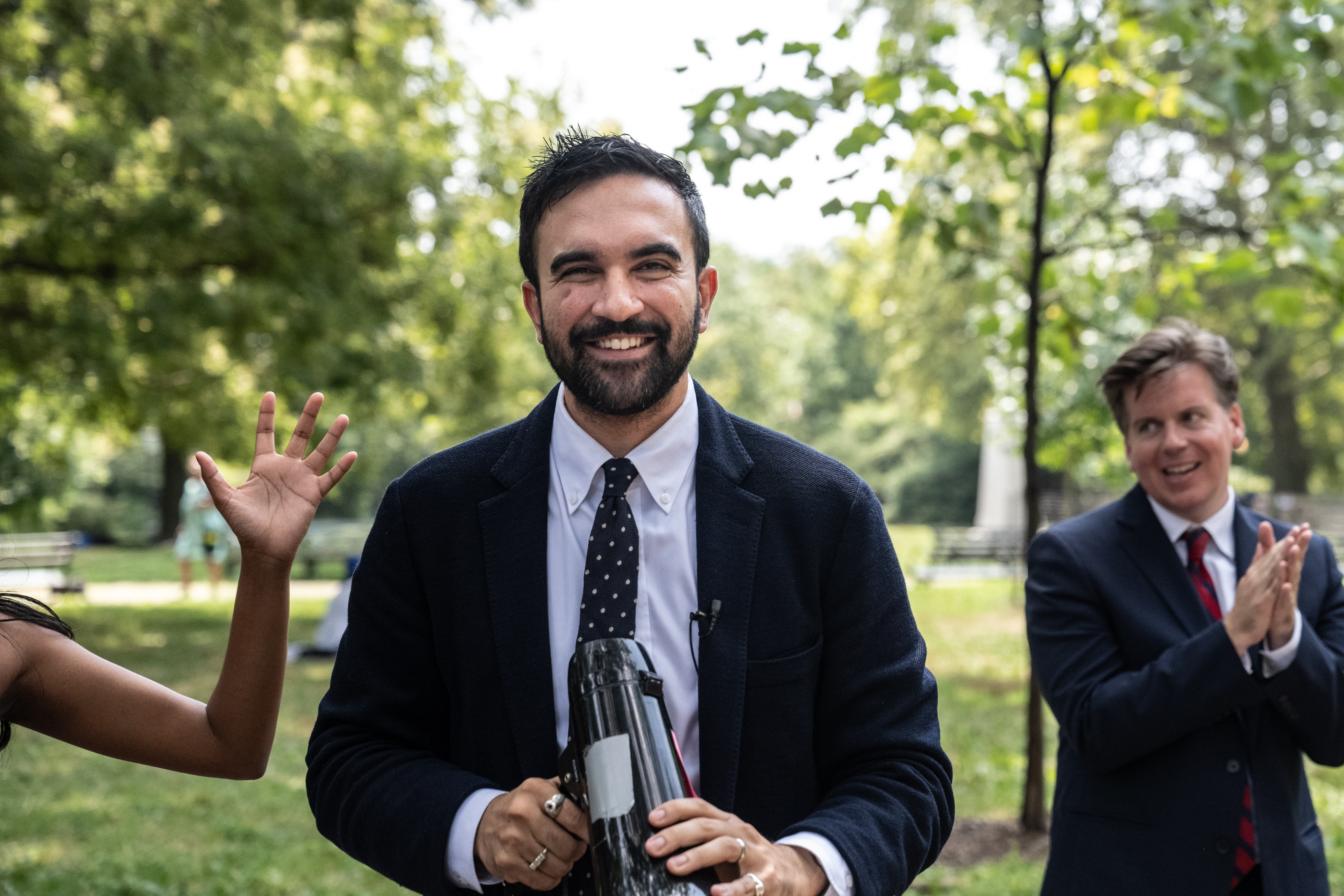
Borenstein also references the films of Wong Kar-wai and Christopher Doyle’s lush, urban cinematography. Then there are the less expected influences, like the Canadian mockumentary series Nirvanna the Band the Show, and Adult Swim’s Tim and Eric Awesome Show, Great Job!
“Tim Heidecker and Eric Wareheim are two of the most influential filmmakers of the 21st century,” Borenstein said, referring to the duo’s unconventional style of cutting, quick push-ins, and the general “roughness around the edges” that gives their work a real DIY feel. “More than anything, I just watch a bunch of dumb comedy. That's why wipes and whip pans and stuff are such an important part of the visual language.
“I love that kind of beat, and I think it can be deployed even in ways that are disarming and earnest,” Borenstein said.
Borenstein wrote for Hell World about his favorite David Berman songs:
 Luke O’Neil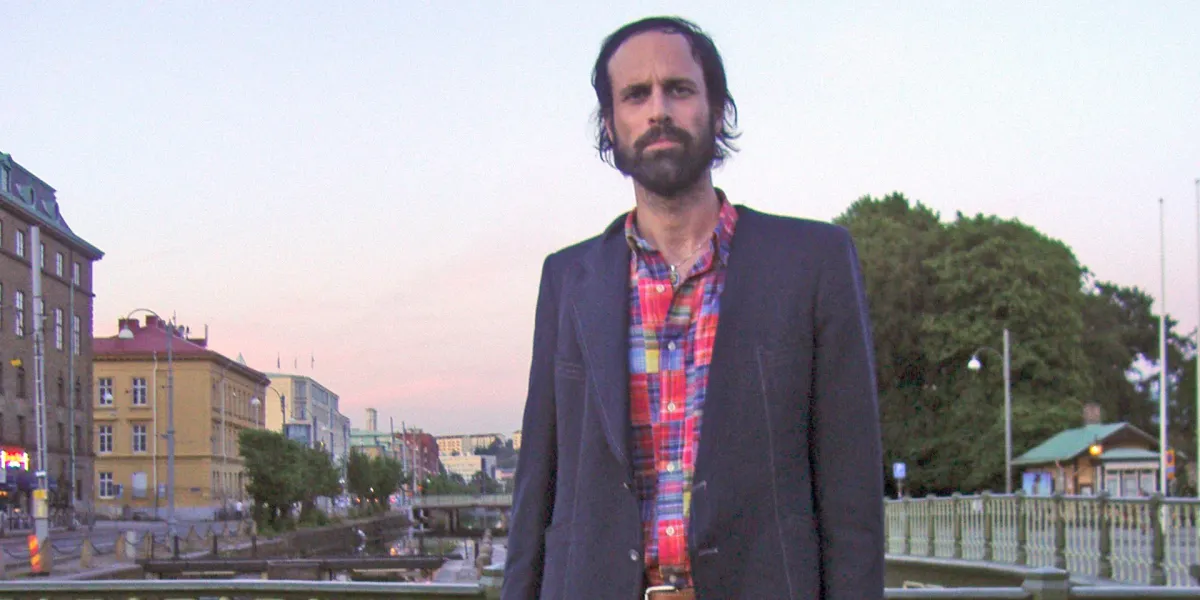
He also wrote this great one about Stop Making Sense:
 Luke O’Neil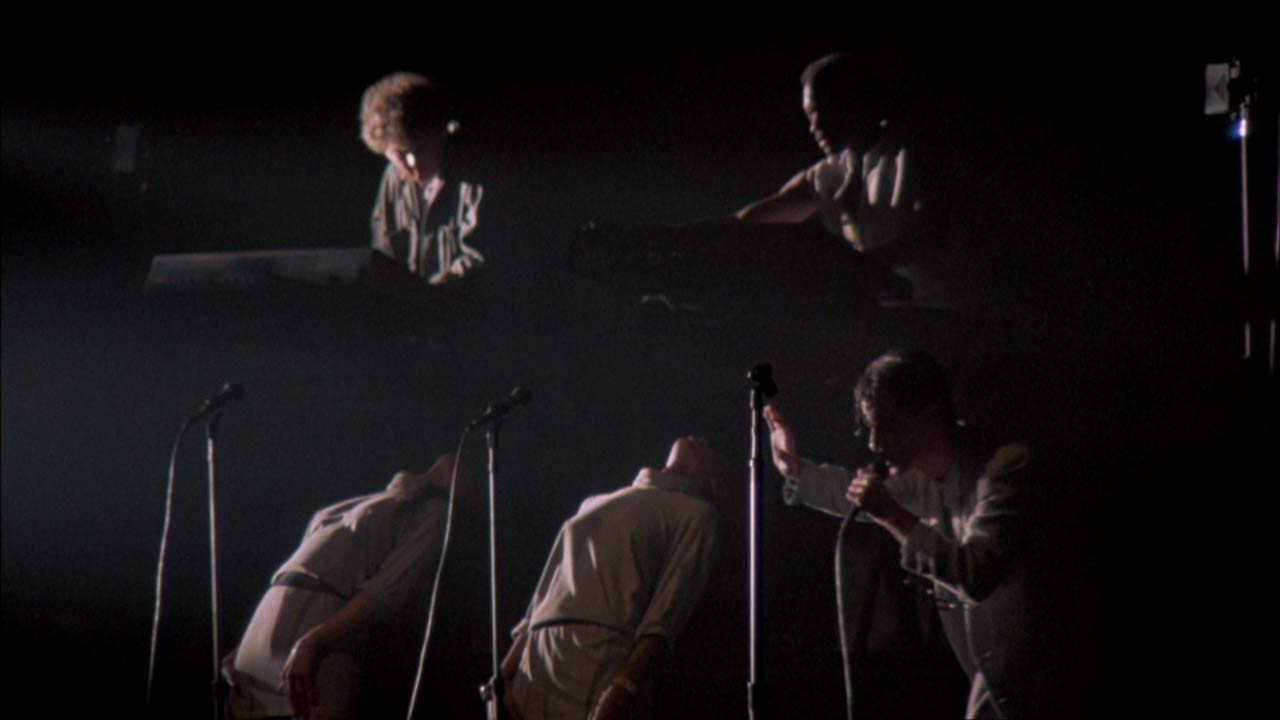
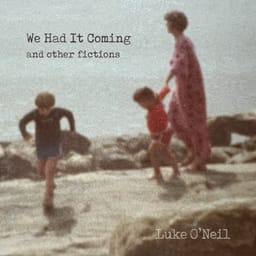
Atad wrote about the life and work of David Lynch:
 Luke O’Neil
He also wrote for Hell World about the films Se7en; The Zone of Interest; Megalopolis; and the series The Bear.
I sometimes think I share old pieces of note in here too often but the reason I do that is simple: I want to people to read them DEAR.
Alright please enjoy today's main feature now. Stick around for more from me after.

Representing the American present
by John M. Ganiard
Last month, in a now semi-annual fit of cabin fever, I succumbed to watching the entirety of Girls, a show I sort of assumed I’d never bother to get around to. Much of Manitoba and Saskatchewan has been on fire this summer, the second-worst wildfire season in the country’s history behind only 2023. I live quite far away from it all in the American Midwest. Like that season two summers ago, debris from uncontrollable forest incineration has been rising high into the atmosphere and drifting southeast with the wind. The smoke and lofted ash are exposed to prolonged sunlight, and the particulate matter breaks down into the toxic volatile organic compounds benzene and formaldehyde. Our small town has become desaturated in the haze, like a picture slowly overexposed.
I was a smoker through the bulk of my twenties, but I find myself staying inside when the AQI – a metric heretofore foreign to your average midwesterner – gets bad enough, which is to say frequently.
As for Girls, in the intervening years since its final season, all of my excuses not to watch it have melted away entirely. I can barely even remember what they were. Much like any memories I have of the “blogs” or “alt lit” or “indie sleeze” of its concurrent cultural epoch have been overwritten by the daily unremarkable hits of dopamine from innumerable trips to the casino of the infinite scroll. No longer a phenomenon of discourse cycles, Girls now appeared to me like a harmless cultural artifact, something I could escape into under the guise of wistful research or critical analysis.