What Does A Man Do?

Chip in with a subscription to help pay our writers please and thank you. You'll need to be a paid subscriber to read this piece in full.
What Does A Man Do?
by Zack Budryk
You are not supposed to exist passively as a man under American capitalism. To fulfill your duties, you must be constantly thinking of how to become more of a man. Ideally that means buying products or subscribing to political ideologies that conveniently advance and expand your manliness. (This is true of being a woman too, of course, but better-qualified people have already written thoughtfully on that.)
For all the things masculinity has claimed to mean over the years, one of its most consistent themes is that a man is supposed to fucking do something in a crisis.
For a while, war was a great way to accomplish this, to become more of a man. It wasn’t always like this though. For centuries, war was so commonplace that for billions of men, it was just something you got roped into at some point. That changed when the US entered World War I, and early mass media made contact with a nation concerned that it had been neutered by industrialization and urbanization.
“Make your daddy glad to have had such a lad/Tell your sweetheart not to pine/To be proud her boy's in line,” the vaudeville composer George M. Cohan wrote in his hit song “Over There.”
Decades later, the man of the 1970s – the dutiful man who eagerly awaited instructions about how to become more of one – was receiving the flack of emasculation from all sides. There was a loss in a Cold War proxy war abroad, the rise of second-wave feminism at home, and a culture increasingly dominated by styles like disco that elevated queer men and, perhaps even worse, straight men who didn’t care if their style and affect seemed queer.
The man who did something in this era, then, was a soldier in his own land, a man empowered to wantonly kill the bad guys without being a common murderer. Often, he started out emasculated, like the protagonist of Kenny Rogers’ “Coward of the County,” who learns that pacifism is incompatible with a world where villains wait in the shadows to gang-rape your sweetheart. (It’s morbid poetry that we recently learned the basis for one of those pop culture phenomena, the hit 1973 film Walking Tall, almost certainly murdered his own wife and blamed his external enemies).
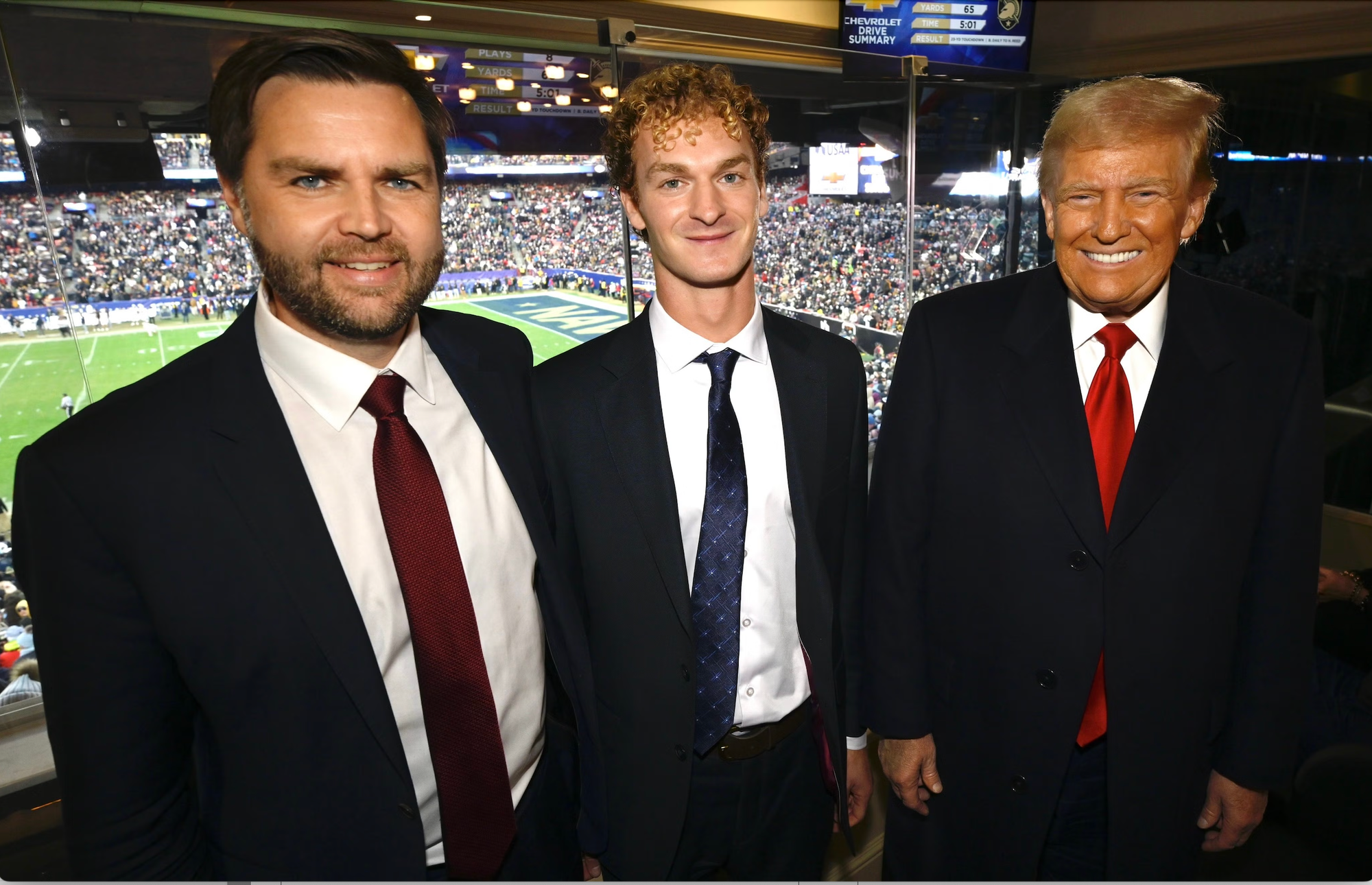
In the modern era, we don’t even call our wars wars anymore, and we’ve gotten more cynical (but still not enough) about the idea that everyone we point our weapons at is a force for ontological evil. The men who do something are once again homefront vigilantes. They can be returning warriors, like Daniel Penny, the marine who strangled a homeless man, beat the rap and was rewarded with a no-show job by a billionaire. Or they can be another unassuming Coward of the County, like Kyle Rittenhouse, a midwestern teenager who took up arms when, in his fans’ telling, the cops refused to.