They want something sacred
An exceedingly dangerous time of political collapse, technological robbery and cognitive assault
Good morning and a hearty eat shit lol to all fascists around the world.
Thank you as always for your continued support of this newsletter.
Today Nathan Munn writes on the kind of world we're building for our children in this "exceedingly dangerous time of political collapse, technological robbery and cognitive assault."
"The consistent message spewed by the fascists, greased and propelled relentlessly by their collaborators in tech and media, is that nothing is sacred. In their version of reality everyone is out only for themselves, everything is up for sale or ripe to be stolen, and only power rules. None of these things are true, but the bleating insistence that they are takes a toll."
He previously wrote about the corrosive effects of AI and war.
 Luke O'Neil
Just like the maniacal war in Iran, there's no denying that generative AI is changing our world for the worse. In my work I’m close to the swirling center of the vortex where hype meets reality, and the tech is indeed wiping out developer and marketing jobs, but the biggest change AI is fostering is the upending of the psyches of people who build and sell the technology. It’s startling to watch the raw, almost gleeful desperation of these (presumably) bright folks as they completely submit themselves to a product that demands they shut off their minds and critical faculties. One that requires them to recast their customers, clients and employees as bumbling idiots who cannot think, do meaningful work, or have original ideas. In the minds of many tech leaders all three groups now exist only to burn through Google or Anthropic tokens and that’s it. These folks keep repeating a mantra they clearly picked up somewhere else: “Look, AI isn’t going away. You have no choice but to use it.” As the polycrisis gains steam, they sound like they’re trying to convince themselves more than anything.
In other news it's New England Week at Flaming Hydra featuring a collection of essays about the best place in the world that I have been working on with the team. You can read my introduction including my ranking of the New England states here for free:
 The Editors
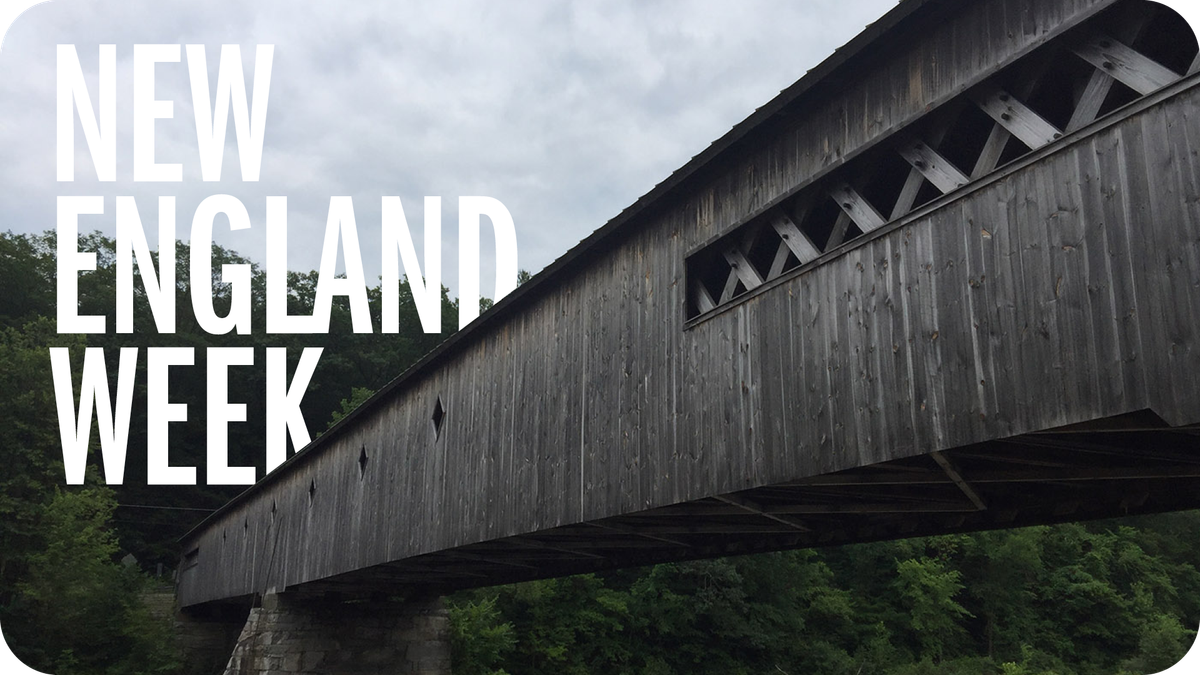
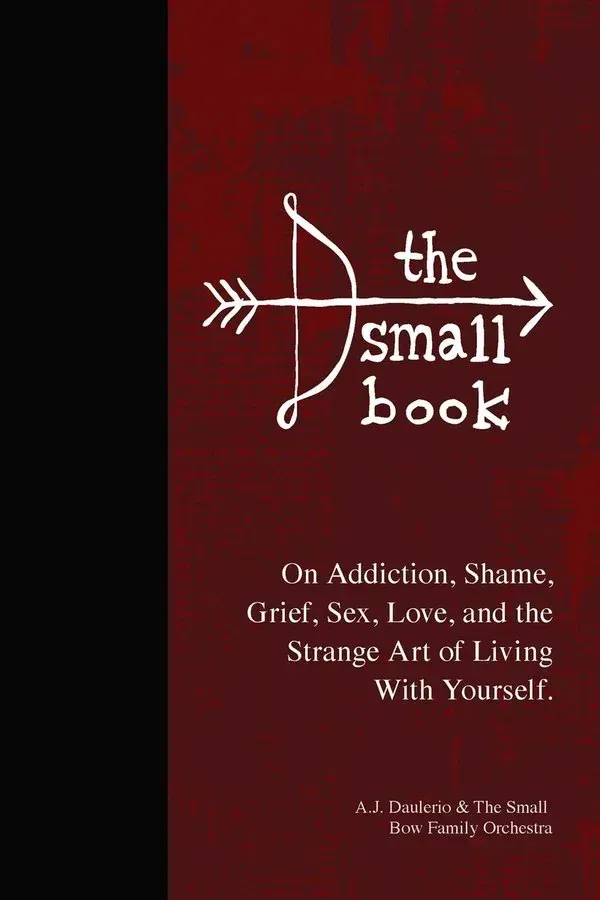
In other other news I am excited to have a piece alongside some very talented friends and colleagues in The Small Book the forthcoming collection put together by the great addiction-focused newsletter The Small Bow. You can read more about it including an introduction from A.J. Daulerio here.
 A.J. Daulerio and The Small Bow Family Orchestra
Let's get to Munn then stick around for more from me after for paid subscribers.
Here's a real nice discount. Thank you for your support.
Family Movies
by Nathan Munn
A few weeks ago I was standing at my bookshelves, deciding what to re-read, when my eyes picked up a soft glow from Chasing the Light, Oliver Stone's 2021 autobiography. I brought the book upstairs and on a whim searched his name. By chance his 80th birthday had passed just days earlier.
The book is an intensely personal recounting of Stone's childhood, his years teaching English in Asia and in the Merchant Marine, and his time as a soldier in Vietnam – all of which happened before he started writing and directing films. I remembered how many of his films carried themes of reckoning, of past transgressions coming to the fore, of debts coming due. Some had left a deep imprint on me during my own youth: Natural Born Killers, Platoon, The Doors, Scarface. Just a small sampling of his oeuvre, deep and real. I started re-watching the movies. There are many things to love about them, but in particular I’d forgotten how sensitively Stone portrayed children. When Stone’s devastatingly innocent boys appeared onscreen – a young abused Mickey in Natural Born Killers, four-year-old Jim Morrison in the Doors – I broke down and wept. Stone's depiction of these little guys evoked powerful feelings about my own son, for whom I am terrified of the approaching future.
I'm scared for my daughter too, of course, and in some ways even more so. But being a father to a son weighs on my mind in a haunting way. I'm sure mothers feel the same about their daughters: it's the connection of shared experience. These bonds are a bridge for an inheritance from our hands to theirs, a silent plea that the child be spared whatever suffering the parent faced.
A father must teach his son to be gentle but not weak, to be moral but compassionate. To be clear-minded about right and wrong without being dogmatic or judgmental. My dad – he's great – sat me down when I was 12 and said “You know it's not ok to just go up and touch a girl, right, Nate?” I said yeah, of course. “Good,” he said, satisfied. I remember it like it was yesterday.
My son is beautiful. He has a mess of white-flaxen hair and stunning blue eyes. He is seven years old, gentle, calm, funny, and very smart. He dislikes school and loves to build things. He rides his BMX and thinks about his friends and gets upset if I squish a fly or chastise the cat. He misses his mom if she is away even for a couple hours. He adores his big sister. When he started watching TV I showed him the original Transformers series, my favorite as a kid, and was reminded of the story’s through-line of good and evil forces battling over energy resources. Scooby-Doo introduced him to John Cena (and my daughter to KISS.) Now he’s into YouTubers, the cuts and clips becoming quicker, more agitating. We walk the fine line parents do, placing limits, being careful. No phones, obviously. But growing up creeps in, no matter how much part of you wants them to stay innocent forever. They learn. They make fart jokes one minute and ask what would happen if Canada breaks apart in the next. They hear us fight and they see us make up. At every moment, the silent question fills the room: what kind of people do you want your kids to be?
The madness a short drive south continues apace. The world's richest scumbag recently suggested Quebec, Alberta and Saskatchewan should separate from Canada, a position that coincidentally aligns with the strategy prepared by an American think tank to destroy our country from within. Alberta's referendum to separate from Canada failed miserably but there's no question the Overton window has shifted.
The White House has accused Canada of interfering in the midterm elections, a place where anyone critical of America, capitalism, or Jesus Christ has been designated a terrorist. A cyberattack against France and other countries in Europe forced hundreds of supermarket food freezers to defrost, spoiling many tons of food. In my part of the world, the web platform of electricity provider Hydro-Quebec was down for days. A Canadian cybersecurity researcher was arrested for allegedly participating in the recent FBI hack. The days are strange, and getting stranger.
At one point in the Doors movie, Val Kilmer, in the role of Jim Morrison, reveals what is perhaps the unifying idea behind the band, the music, and the movie: "You wanna know what the people want?” he says. “I'll tell you what they want. They want something sacred."
The consistent message spewed by the fascists, greased and propelled relentlessly by their collaborators in tech and media, is that nothing is sacred. In their version of reality everyone is out only for themselves, everything is up for sale or ripe to be stolen, and only power rules. None of these things are true, but the bleating insistence that they are takes a toll.
The exhortation that nothing is sacred is what fuels fanaticism, nationalist mania, obsession with escape, shamelessness, worship of the self, and raw nihilism. These ghastly pastimes respond to the craving that afflicts so many in our time: a desperate need to be part of something, something with meaning outside of the consumerist culture disintegrating all around us, the crumbling walls of which are revealing the iron superstructure of militarized late-stage capitalism. The tech freaks, forward-thinking as they are, worked toward making this moment happen. They made plans and hedged bets. They bought land and politicians and built parallel institutions. They don't care if we hate them; scruples aren't part of the equation.
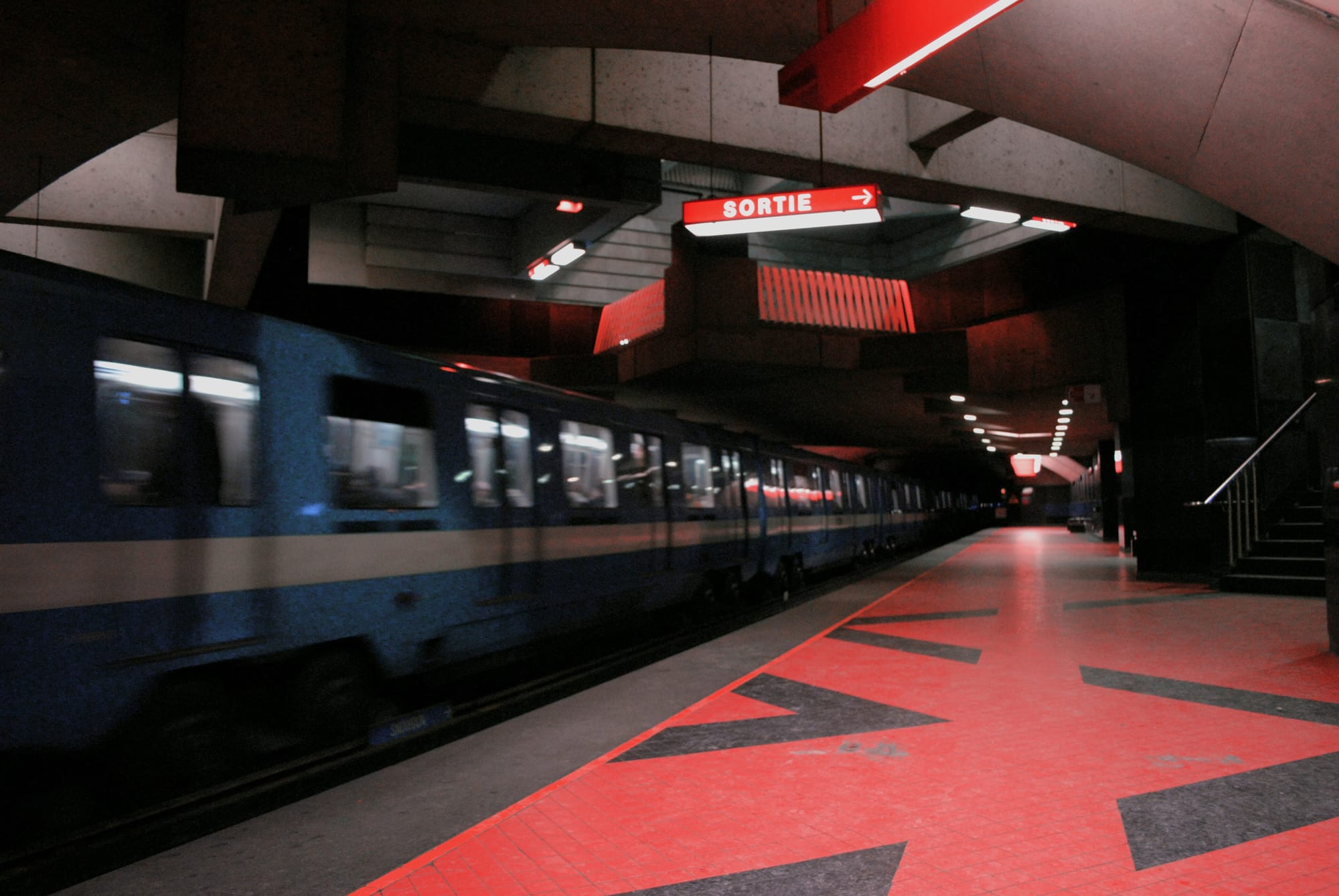
I move between private and public places, from my home into the streets of the town where I live and onto a private train network, spotless and antiseptic, policed by guards with hard stares and camo fatigues. After that I enter the public metro system, dark and old and warm. Homeless men are sleeping and a young guy is in some sort of crisis with an outreach worker next to him, talking in a quiet voice. Jehovah's Witnesses stand silently, offering salvation. Offering the sacred.
On the streets above the subway the city is alive and flowing in every direction. It amazes me that any of this has ever worked, is still working, millions of people on their own journeys with their own priorities, working and loving, playing and weeping alongside one another, somehow aligned in a grand humble dance of something approaching unity. I think of the scene in The Americans when ex-KGB spy turned capitalist Philip Jennings is line dancing, joyfully moving in step with the others, each person in their own unique outfit. The lovely and fragile paradox of synchronized individuality.
In high school I had a drama teacher who was convinced that I should become a screenwriter. She handed me an application for NYU film school, urged me to apply and said she would provide a reference. I appreciated her support, but education wasn't on my radar; I dropped out of school soon after. A few decades later I wrote about living in a haunted apartment in Montreal and, to my bewilderment, film producers reached out to option the story. Within a few weeks I'd sold the film rights to a well-known actor and director, who took a chance and brought me on to help write the screenplay.
I don’t know if the movie will ever get made, but as I approach 50 years old, I have the unlikely good fortune to be peeking into a different world, one where people's jobs are their art and where creativity is taken as seriously as I've always taken it, alone in my little rooms. It’s fun, but I harbor no illusions about what time it is. We live on a knife's edge. My kids are growing up and my wife and I are getting older. The sense of the world's order is coming apart. Every dollar counts. I need, in this moment, to remember why I started making art in the first place. Thirty-five years ago I was a kid walking into a dark basement and hearing Jimi Hendrix for the first time and I knew in that moment that I'd found the path I needed to follow. I've never looked back.
In our exceedingly dangerous time of political collapse, technological robbery and cognitive assault, we're all at risk, but none more so than our kids. They will inherit everything we build, salvage, or let go to ruin. In Chasing the Light Oliver Stone talks about turning down an offer to direct Top Gun because the script ended with Americans proudly taking flight to start World War 3. He'd been to war; he refused to package mass murder as glory. Now, in 2026, we're collectively midwifing a world war of a different kind, where some fronts are as hot as Hell on earth and others are ice-cold on screens, at points of sale, in algorithms. As with all conflicts, much of it is happening in our minds. Real art is more important than ever and making it carries a profound responsibility to the truth, to human beings, and to the sacred. I have to remember the way great artists – those imperfect human beings, crackling with integrity and the need to tell the truth – approach their craft, to take inspiration and heart from them. Whatever I leave behind needs to keep my son and daughter questioning, forever questioning, if what they see around them is okay, or if something is terribly wrong.
Nathan Munn is a regular contributor to Flaming Hydra. He previously wrote for Hell World from Canada about how it feels right now to live upstairs from the world's shittiest loudest neighbor.
 Luke O'Neil
What else... What else...
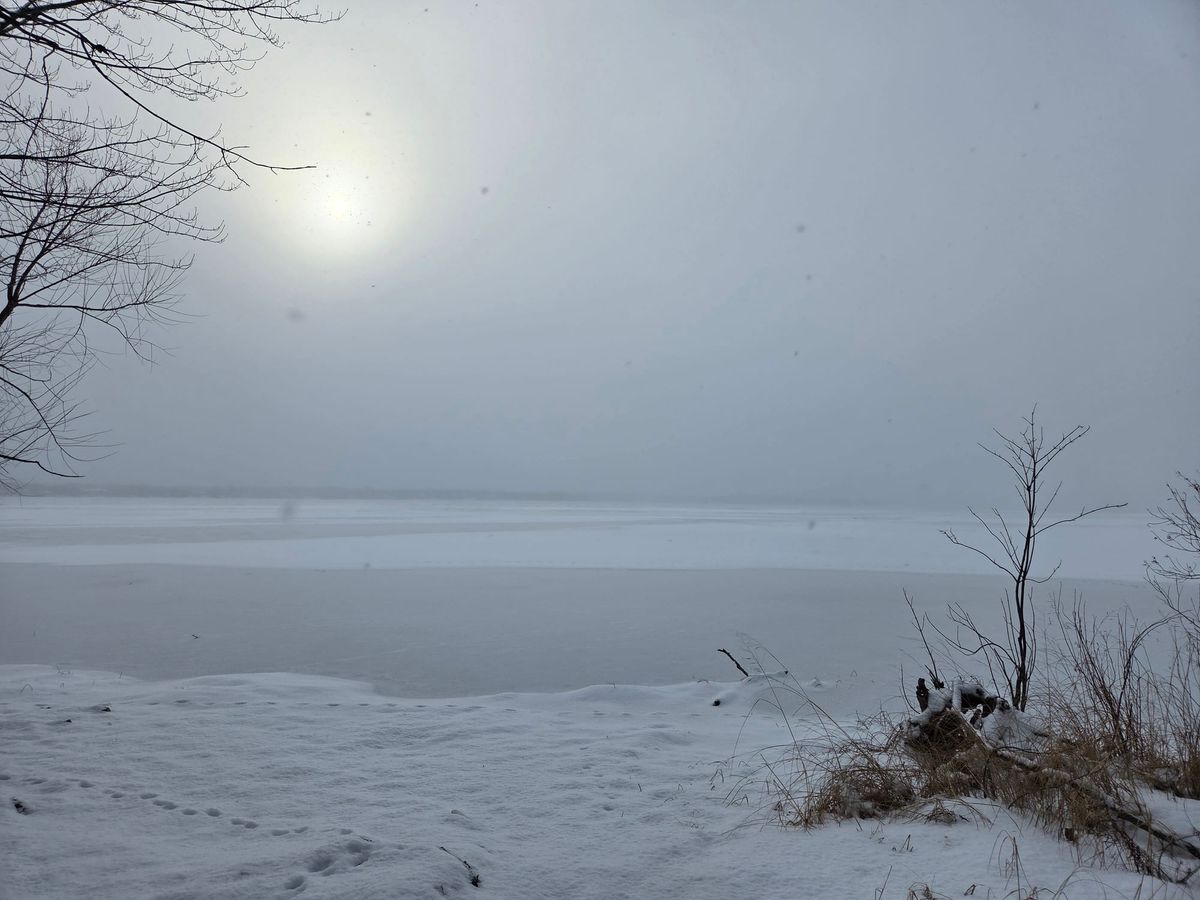
Let's read a couple of newer poems by me and look at some nature photos and listen to a really good new song and talk about the scariest movie I've ever seen.