Perfect Victims / Biking in Chicago


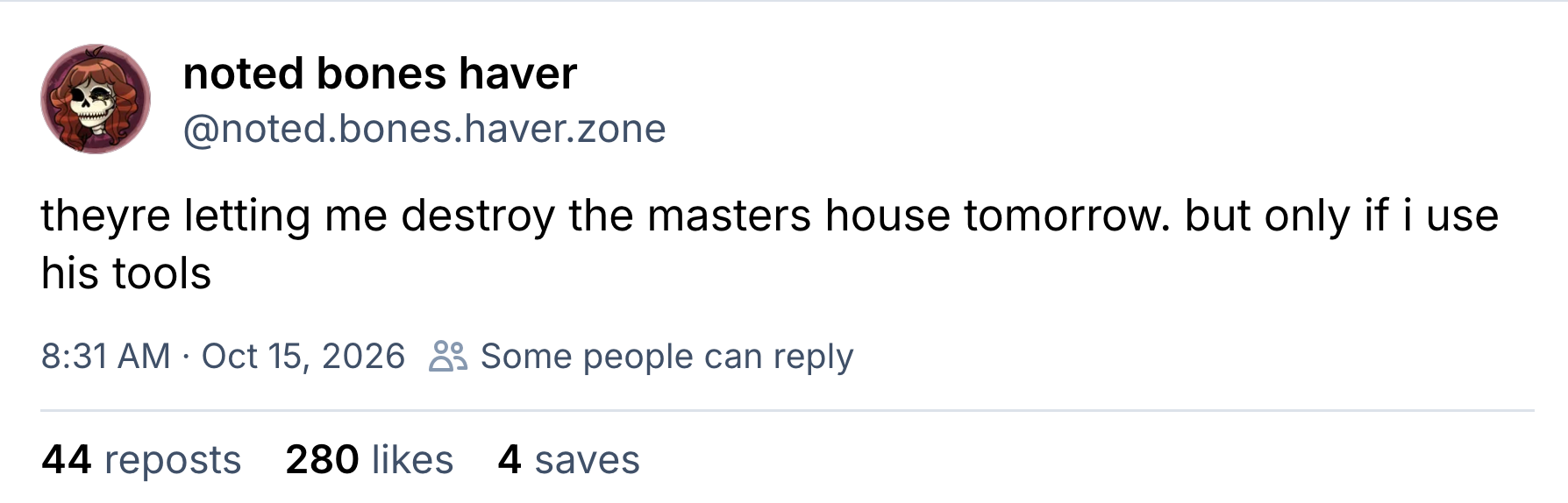
I wish the children in my neighborhood coming and going from school every day had a way to express their joy in a register that wasn't indistinguishable from "I am being chased and killed by Freddy Krueger."
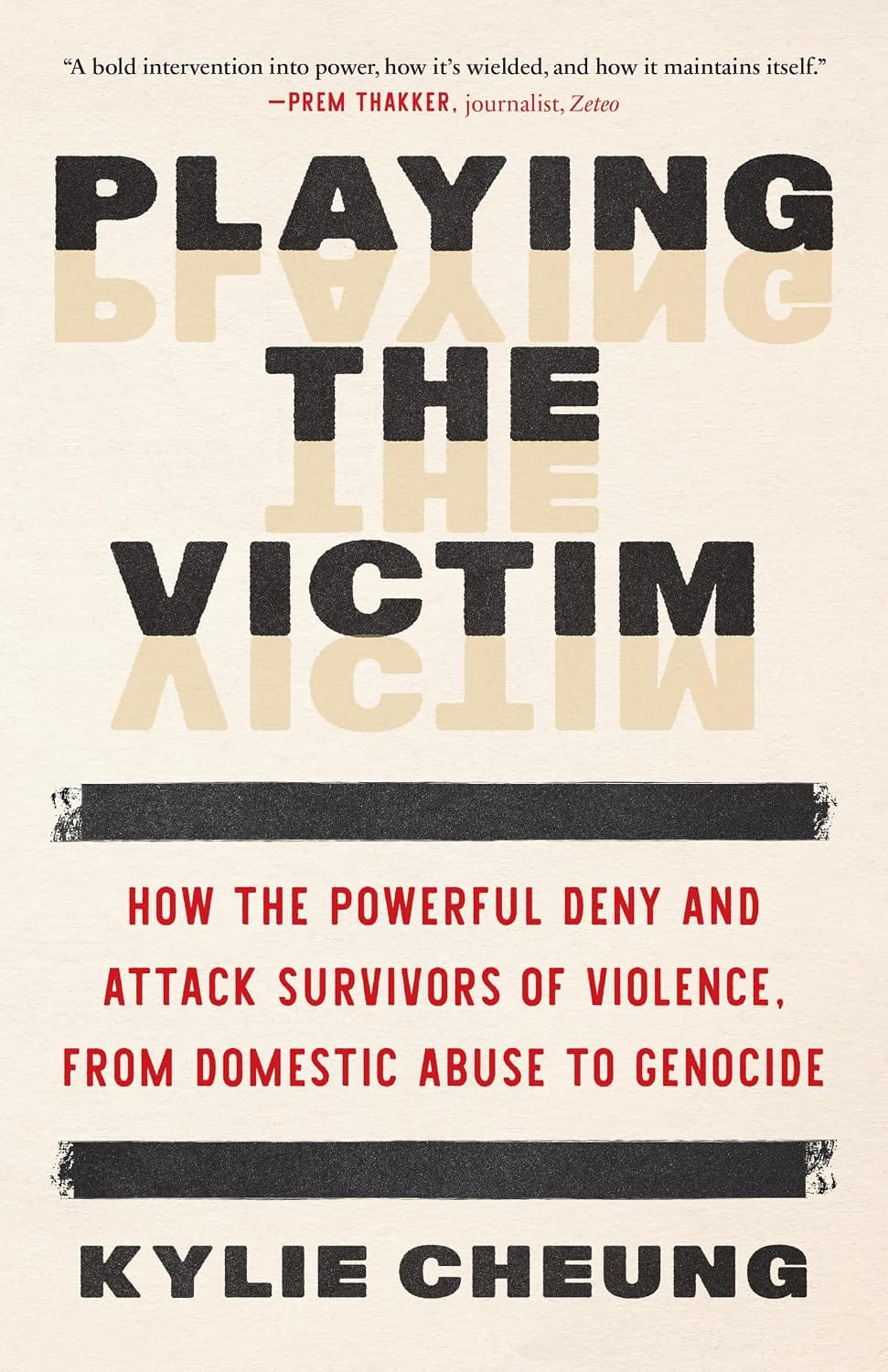
Another good two-parter today for you kind people. First we have an excerpt from Kylie Cheung's powerful and unflinching new book Playing the Victim: How the Powerful Deny and Attack Survivors of Violence, from Domestic Abuse to Genocide. If you've appreciated my writing on Israel's genocide over the years this will be right up your alley.
Read it here or coming up.
 Luke O'Neil
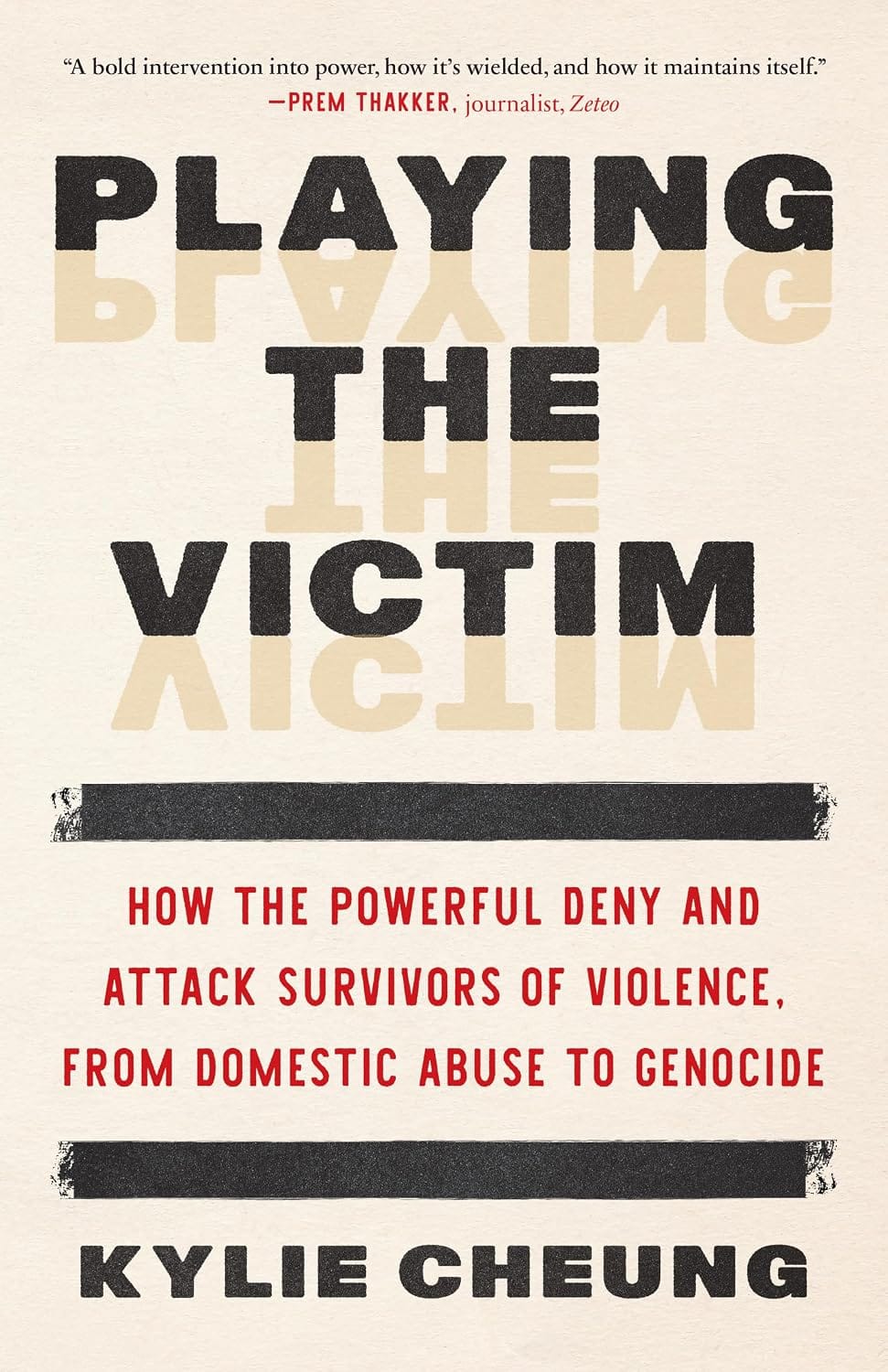
Cheung previously wrote for Hell World on Lana Del Rey.
 Luke O'Neil

Also new this week in Hell World Carmen Aiken writes on the tenth anniversary of a bike park in Chicago and the decades of toil and industry and spoil it was built upon.
 Luke O'Neil
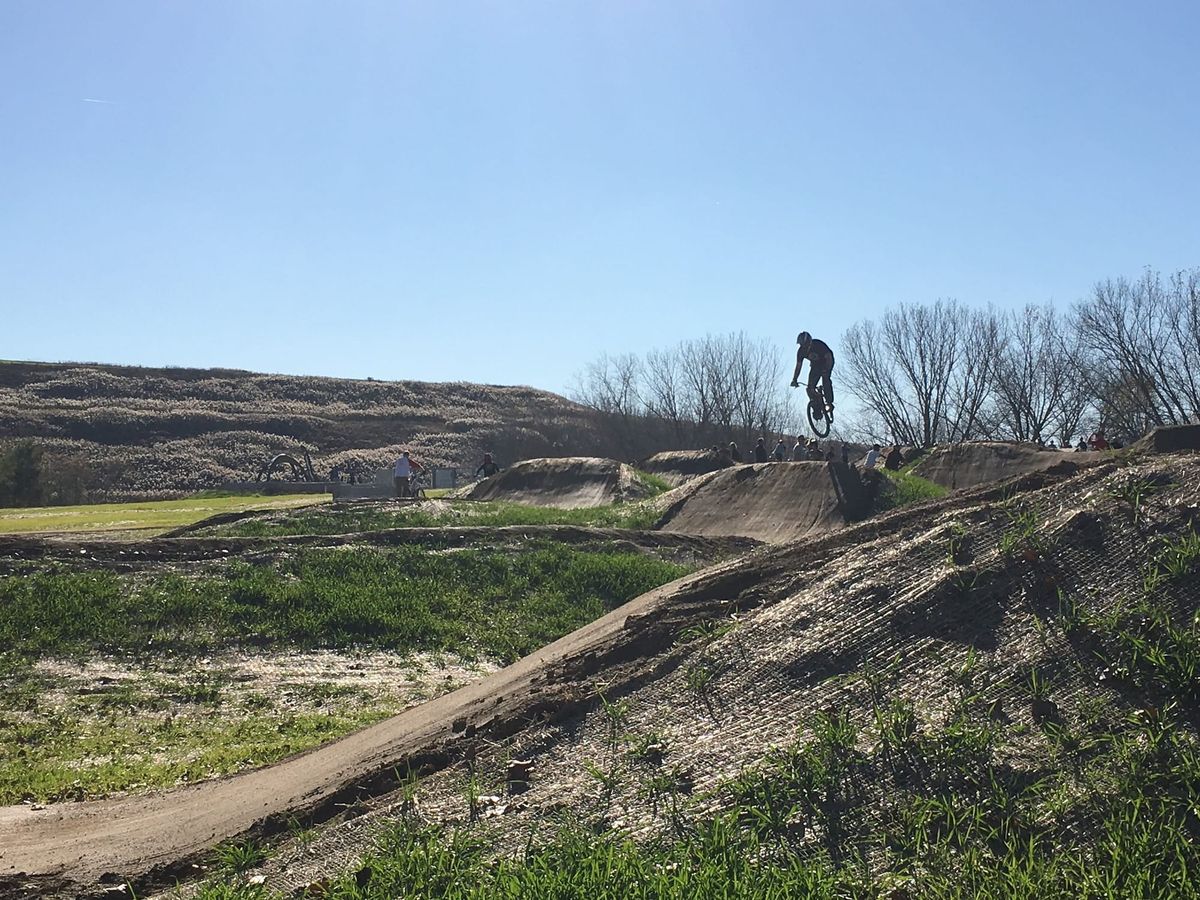
South of Jeffrey Manor is a plant converting vegetable oil byproducts into animal feed ingredients. Humans are making and shipping life’s things around Calumet like tubes and concrete and cars. The air around the plant smells of “corpses, dead fish, acidic vomit, spoiled food, garbage, rotten eggs and feces," depending on where you are in the neighborhood. Riding through Deering until I turned west into the Marshes, I decided the smell was baby vomit.
By the time I got to Trash Mountain south of the Park, the smell had mostly faded. I breathed in the Marsh’s truck exhaust, compost rot, and verdant humidity from cattails and milkweed that burst from the earth in our awful summer of rain.
They wrote about fighting ICE in Chicago last year.
 Luke O'Neil
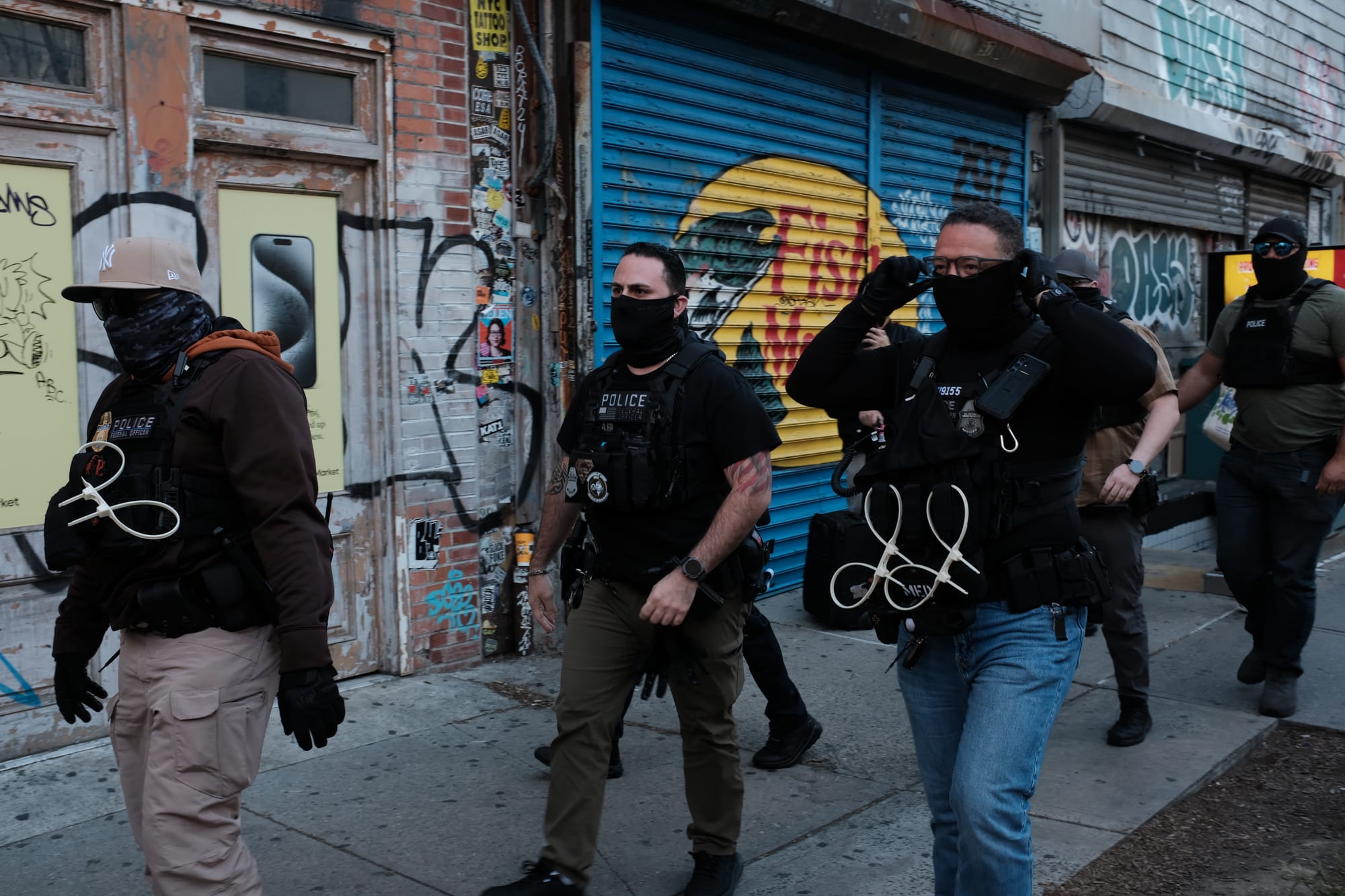
Please also consider a donation to Migrant Support Collective.
Oh by the way I'll be coming out of retirement to sing a couple of no hope/no harm songs with Aaron on Saturday in Medford.
 mlncn
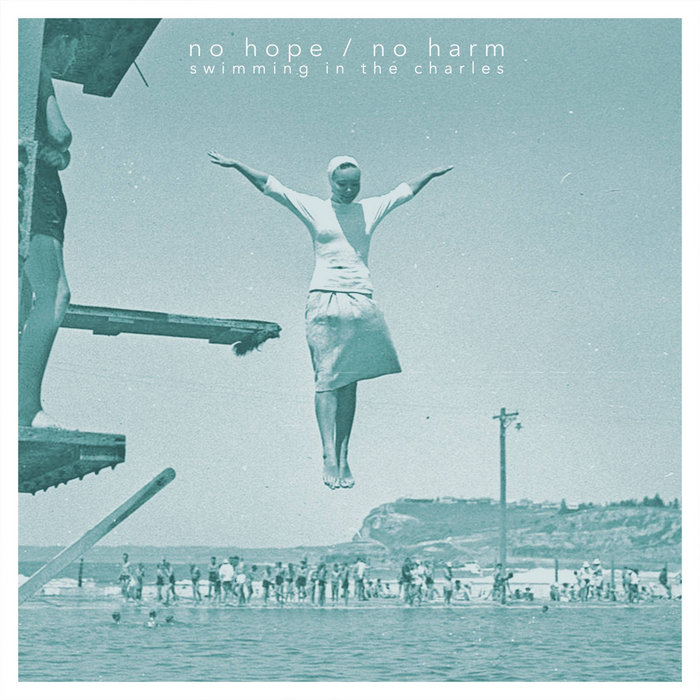
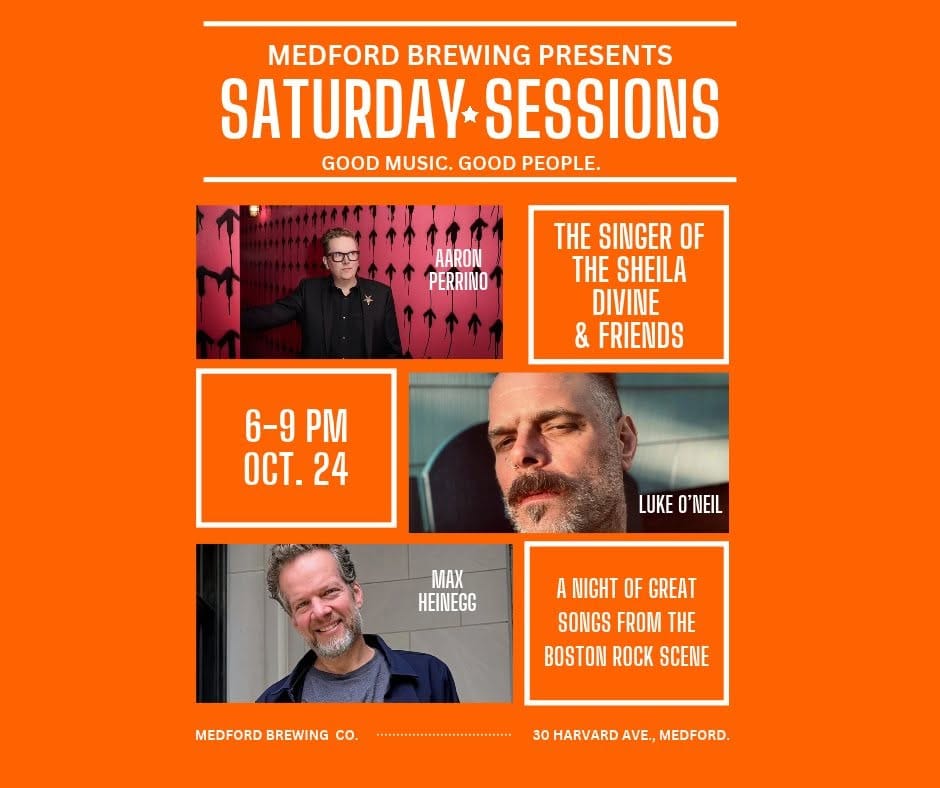
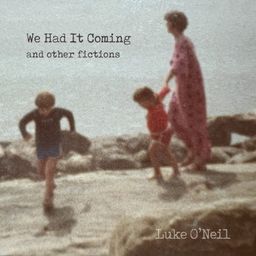
Might even dust this one off.


Aaron is of course the singer in my favorite band.
 Luke O'Neil
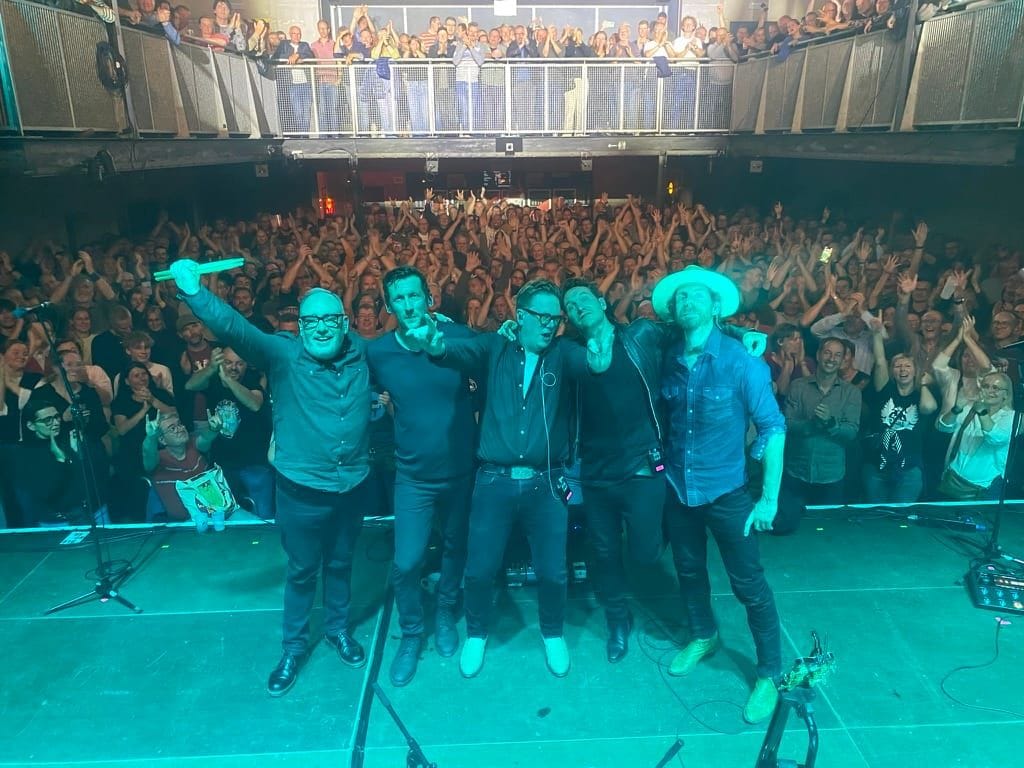
Max is great too and also the Poet Laureate of Medford, MA. What a world.
 Luke O'Neil
I'll turn it over to Cheung now to introduce the chapter then let's read some of the book. More from me down below.
Perfect victims
by Kylie Cheung
This week, I released my new book Playing the Victim: How the Powerful Deny and Attack Survivors of Violence, from Domestic Abuse to Genocide. My book draws the connections between domestic abusers’ tactics (particularly DARVO, which stands for deny, attack, reverse victim and offender) and imperialism, Zionism, and state violence.
Intentionally, a key focus of this book is how Zionism has long relied on DARVO to justify Israel’s decades-long genocide against Palestinians, for instance, writing off horrific war crimes as “self-defense.” Their strategy: to frame a colonial oppressor and occupying force as the victim, and a captive population as the oppressor. Zionism also thrives on a key tenet of rape culture, which is the notion that one must be “perfect”—that means, not resist their oppressor in any meaningful way—to deserve sympathy, credibility, and freedom.
In the following excerpt, I recount an interview with the Palestinian author, poet, and activist Mohammed El-Kurd on his book Perfect Victims, and the overlap between how victims of imperialism and sexual violence navigate similar policing and propagandistic character assassinations.
Thank you to Luke for featuring this excerpt, and for being so wonderfully supportive of my work.
Palestinian writer Mohammed El-Kurd’s work has often brought to life the politics of victimhood in the imperialist imagination. His writing is fearless in its critiques of the ways that victims of imperialism are dehumanized even by those who claim to support them, only to condemn them should they resist or fight back against their oppressors in any way. His arguments are essential reading for allies of the Palestinian, anti-imperialist cause to question our modes of advocacy.
In 2025, I interviewed El-Kurd about his new book, Perfect Victims, for a review in Jezebel shortly before his book came out. I was particularly struck by some of the parallels he drew between the treatment of rape and abuse victims under patriarchy and the treatment of Palestine and the colonized world under imperialism. Telling Palestinian stories to a mainstream audience, El-Kurd argues in Perfect Victims, seems to require the endless, impossible performance of innocence and respectability, with perpetrators never named and passive voice deployed at all times. It requires titular “perfect victims” who can never be the protagonists even in their own stories. But “perfect victims” don’t exist. El-Kurd’s book excoriates the absurd politics of how colonized people are supposed to appeal to their colonizers and deconstructs how even those who are sympathetic to Palestine rely on dehumanizing talking points about Palestinians to advocate for them, in a world that treats Palestinians’ desire for freedom as innately more dangerous and violent than bombs and genocide. As its name suggests, El-Kurd’s book is also a detailed exploration of how victimhood is both assigned and erased, and its limitations under imperialism, reminding me of generations of feminist thinkers who have exposed the fundamentally impossible ways that victims are forced to audition for credibility and justice under patriarchy.
As a child, El-Kurd remembers when journalists would visit his home in Sheikh Jarrah, a neighborhood in Jerusalem, in the early 2010s, as Israeli settlers increasingly displaced families like his. Many of these settlers hailed from Brooklyn and were sponsored or financed by various tax-deductible American nonprofit organizations. El-Kurd writes about Western journalists’ fascination with documenting the mass suffering and loss inflicted on his community, sometimes interviewing children like him. But they were never interested in much more than that—in children’s suffering, that is. They weren’t interested in Palestinians’ political analysis about their own plight and oppression, because the “conflict,” as the decades-long ethnic cleansing of Palestinians is often gently labeled, was somehow far too complicated for the people experiencing it to be able to credibly speak about. And they weren’t interested in the voices of adults, who might hold anger toward the settlers who looted their homes, destroyed their furniture in the streets, and kidnapped and jailed their children without charge. The adults’ anger rendered them imperfect victims.
Early in Perfect Victims, El-Kurd addresses the weaponization of gender amid Israel’s genocide in Gaza, the outsized focus on its impacts on women and children, and the qualifiers that are often required for Palestinian men to be seen as worthy of life, too: Men have to be loving grandfathers, or selfless doctors, or cry out as they carry their children’s dead bodies on camera for all the world to see their pain. In many, seemingly contradictory ways, gender has and hasn’t mattered amid the genocide. “Bombs don’t discriminate, they don’t spare women and children—it’s a wholesale targeting,” El-Kurd told me in our conversation.
Under the Israeli occupation, boys “are men and girls are men and women are men, too,” he writes in Perfect Victims, referencing a famous line from the Irish poet Padraic Fiacc. There is no childhood for Palestinian children, for girls subjected to routine sexual assault by Israeli soldiers performing body searches at checkpoints, or boys routinely detained and jailed without charge under administrative detention, who come of age “under the moon of fluorescent lighting in the interrogation room,” El-Kurd writes. He further reflects on how the global community is desensitized to Palestinian suffering, indiscriminately:
We die in fleeting headlines, in between breaths. Our death is so quotidian that journalists report it as though they’re reporting the weather: Cloudy skies, light showers, and 3,000 Palestinians dead in the past ten days. And much like the weather, only God is responsible—not armed settlers, not targeted drone strikes. Our massacres are only interrupted by commercial breaks. Judges legalize them. Correspondents kill us with passive voice. If we are lucky, diplomats say that our death concerns them, but they never mention the culprit, let alone condemn the culprit.
Despite this lack of distinction, gender remains an important marker in cultural discourse about the Gaza genocide. Women are accorded victimhood in the popular imagination, El-Kurd says, and yet, not only has this failed to spare them from suffering, but it’s also “reduced them to sticks in the wind, robbed them of agency, erased their very active role in the Palestinian struggle.” As for Palestinian men, “We’re told, ‘Don’t forget men, they’re gentle fathers, this and that,’ but there shouldn’t be a characteristic anyone needs to embody to be deserving of dignity and liberation.”
At one point in Perfect Victims, El-Kurd observes how victims must be “sanitized and subdued” before anyone can possibly sympathize with them: “One could say the same about sexual assault victims: we must notify the listener that the victim was sober and dressed appropriately.” This reminds me, again, of the numerous comparisons between political discourse about the Palestinian struggle and the tactics of domestic abusers. There’s DARVO, which we see when every strike on a school in Gaza is justified by Israel’s “right to defend itself,” or we’re told that a hospital is actually a Hamas military base. And there’s “orchestrated complexity,” the manufacturing of nuance and conditions that always benefit the abuser, often achieved by starting in the middle of an abusive situation, when a victim resists or responds to abuse. In Perfect Victims, El-Kurd describes this as the phenomenon of “secondly”: “We accept starting the story at ‘secondly.’ But . . . before I threw the rock, they stole my land. Before I picked up the rifle, they shot my loved ones. Before I made the makeshift rocket, they put me in a cage.”
Consider the news reports about the genocide in Gaza that start with October 7, or the condemnations of Palestinians for throwing rocks at soldiers, or, in Palestinian intellectual Edward Said’s case, throwing a pebble at an Israeli military watchtower—we never hear about why soldiers or guard towers or other vestiges of militarization and occupation are there in the first place. “We never want to tackle things at the root or ask what started this—we’re angry at symptoms but not the disease, which is colonialism and occupation,” El-Kurd told me. “The discourse is so regressive that people refuse to see resistance as a reaction to something, as a survival mechanism.”
The subjugation of Palestinians under imperialism holds parallels to not just rape culture discourse, but also treatment of victims of police brutality, El-Kurd told me. In 2014, an Israeli airstrike killed four Palestinian boys playing soccer on the beach, and El-Kurd recounted watching as Israeli spokespeople went on TV to question why they were on the beach and if they were members of Hamas. “You are a person who a crime has been committed against, but somehow you are on trial, find yourself in cross-examination about crimes committed against you,” El-Kurd said. “To shift blame from perpetrator to victim, this has all the parallels to sexual assault victims, police brutality victims.”
Israeli statehood itself is often justified by the fundamentally racist premise that Palestinians and Arabs are innately born wishing to kill all Jewish people. Since October 2023, Israeli soldiers have claimed to find obviously planted copies of Mein Kampf in Palestinian children’s nurseries. “The hatred we supposedly possess, lurking within our hearts, receives more concern than the nuclear arsenal of our colonizers,” El-Kurd writes. That’s why the first pages of Perfect Victims state, in big, sprawling letters, “even if.” This, he said, is the central thesis of the book: Even if every worst circumstance and characterization that Israel has invented about Palestinians is true, that could never justify occupation, apartheid, and genocide. Even if racist tropes about Palestinian soldiers wielding “human shields” were true, that could never justify bombing hospitals.
Also in Perfect Victims, El-Kurd presents an apt metaphor comparing US politicians and one-sided Western media coverage to the violence of snipers:
The dehumanizers are not only the vulgar right-wingers . . . but the most politically correct of killers who deny us even eye contact before they pull the trigger, sniping coldly, impersonally, from hundreds of meters away. . . . The snipers are everywhere: the underhanded journalists, the spineless bureaucrats, the television anchors who obfuscate those tragedies. The sniper’s hands are clean of blood, but his body count is insurmountable.
It’s a “hard task,” he said, “to get people to see violence as a more complex, structural mechanism.” For example, gender-based violence is often understood solely as rape and domestic violence, not abortion bans, or a privatized health care system that forces rape victims to pay for medical care out of pocket. In a similar vein, most people are conditioned to see “violence orchestrated by Joe Biden or Donald Trump or [former Secretary of State] Antony Blinken as something other than violence—as management, bureaucracy, a necessary fact of life,” El-Kurd said. Many only see informal militias, or middle-aged Palestinian men “in tracksuits and flip-flops” throwing rocks, as violent. With Perfect Victims, El-Kurd hopes to “challenge a person’s understanding and definition of violence,” he told me. “I argue those people in suits, who speak with such sophisticated, polite language, know all the etiquette, are the biggest threats to humanity. To me, hunger is violence, not being able to afford health care is violence, not feeling safe [under occupation] is violence—it’s not just a punch and slap, but policies, laws, legislation.”
Perfect Victims is rife with similar frameworks that challenge even those supportive of the Palestinian cause to question their approaches to advocacy. El-Kurd interrogates why we so often see Israeli sources, such as journalists or other individuals who have “miraculous epiphanies” about Israel’s cruelty and criticize Israel, or refuse to join the army, prioritized over Palestinian voices. He interrogates the “fetishization” of Israeli–Palestinian collaborations in documentaries and storytelling projects, while work exclusively created by Palestinians is sidelined: “It comes off to me as satisfying this selfish urge in audiences to see reconciliation between slayer and slain take place on-screen, because it’s not taking place in real life,” he said, joking that this “reminds me of how, growing up, most of the feminist literature I first read in school was written by men.” But it’s not feminist for even ostensibly enlightened men to speak for women, nor is it liberation for Israelis to speak for Palestinians.
El-Kurd writes toward the end of Perfect Victims, “I don’t know what to do with brutality except to laugh at it.” His book is rife with horrific accounts of brutality, examples of Israeli soldiers branding Palestinians’ faces with the Star of David, of journalists and children killed by Israeli soldiers with impunity—only for their loved ones to then be killed by soldiers at the subsequent funerals. But Perfect Victims is also interspersed with sharp humor, as El-Kurd responds to bad-faith and absurd questions about Palestinians’ alleged, natural-born desire to kill Jewish people and the supposed genocide they’d inflict on Israelis if they received freedom: “I am often asked if I want to ‘throw Israelis into the sea.’ . . . If they are so afraid of drowning why don’t they learn how to swim?” he writes.
“It’s a ridiculous thing, Palestinians being bombed and burned alive, and you’re asking me what’s going to happen in the future, hypothetically—that’s ridiculous, and we should treat it as such,” El-Kurd told me. “We’re asked these hypotheticals as if they’re sacred questions we should all bow before. Humor and irreverence expose what these questions really are.” Writing in The Nation in 2025, he expanded on some of these thoughts—particularly the idea that, again, by wishing for freedom, he wishes to drown Israelis in the sea:
Colonial logic says that if I were to have that mere desire within my heart; if I am fantasizing about cartoonish revenges, that alone negates my claim to justice. Thus, any testimony of the injustices I have witnessed and endured is unreliable. The brutality of colonialism, the very brutality that is institutionalized and legalized, can then be excused or even warranted, if I were to want such a turn of events. Such desires, according to mind-reading critics, linger deep within our psyche and should discredit the Palestinian. . . . To simply imagine Palestine without settlers, to simply imagine a sky without drones—that, in the Zionist imagination, is genocidal. If you stick with the “want” of the charge, the notion that Palestinians want to kill all Jews, you find that Zionism is at war with our future. It is at war with our ability to articulate, even if only through poems and protest chants, a future in which Zionism does not reign.22
Perfect Victims is an exploration of how powerless and powerful we all are to resist Zionism, all at the same time, and the simultaneous uselessness and inescapability of our feelings of guilt living in a world ravaged by colonialism. One of the book’s central contradictions, El-Kurd told me, is serving as “a critique of the politics of appeal, while being an appeal itself.” While the book examines Palestinian suffering and the erasure of that suffering across the West, its thesis is one of dignity: “We [Palestinians] need to live with dignity no matter what,” he said. “That means refusal to stand trial, be cross-examined—even if the worst you say about me is true, you have no right to steal my land, to oppress me, to erase me.”
This right of refusal, the paradigm of “even if,” together present a sweeping challenge to Zionism and abusers writ large. There is an innate human need to be free; no one is born to be oppressed, to live in a cage. Victims—of interpersonal gender-based violence as well as colonial violence—will resist and defend themselves.
And their resistance in no way changes who the victim and offender are.
An adapted excerpt from Playing the Victim: How the Powerful Deny and Attack Survivors of Violence, from Domestic Abuse to Genocide by Kylie Cheung, published by North Atlantic Books, copyright © 2026. Reprinted by permission of publisher.
Brawling itself out of a swamp
Ten Years of Chicago’s Big Marsh Park
by Carmen Aiken
On a Sunday in Chicago I had made no small, nor no large plans, except it was one of those last Midwest fall days where it would eventually hit 85. Lately there feels like so little to celebrate and so I decided to ride down to Big Marsh’s tenth birthday party.
Big Marsh is the biggest park in Chicago. It is the size of 12 Soldier Fields or Comiskey Parks (for whatever that’s worth these days). Big Marsh is 300 acres in the Lake Calumet region, which encompasses the biggest tax-increment financing district, the Illinois International Port District, and environmental contamination from Carl Sandburg’s "Bareheaded, Shoveling, Wrecking" Chicago of 1880 to, well, now.
You will pass the park coming into or out of Chicago from all points East. Big Marsh is nestled between I-90 and I-94. The grain elevators and containers and concrete could maybe surprise you if you forgot how Chicago managed to brawl itself out of a swamp. But anyone who has lived in a Port city knows that there are the fortifications of your citadel: the muscled cranes of Oakland, the longshoremen of Newark Bay.
The convergence of environmental disenfranchisement and nature still affects me. That Sunday I decided to do the whole ride from my house in McKinley Park. Big Marsh is 10 miles due south on Stony Island Avenue from the latest attraction in town, the Obama Presidential Library. But you can barely drive on Stony, even on a good day, so I rode Torrence instead.
South of Jeffrey Manor is a plant converting vegetable oil byproducts into animal feed ingredients. Humans are making and shipping life’s things around Calumet like tubes and concrete and cars. The air around the plant smells of “corpses, dead fish, acidic vomit, spoiled food, garbage, rotten eggs and feces," depending on where you are in the neighborhood. Riding through Deering until I turned west into the Marshes, I decided the smell was baby vomit.
By the time I got to Trash Mountain south of the Park, the smell had mostly faded. I breathed in the Marsh’s truck exhaust, compost rot, and verdant humidity from cattails and milkweed that burst from the earth in our awful summer of rain.
Ten years ago we made our way to the top of Trash Mountain at the park. Trash Mountain was better known as Paxton Landfill and the methane was ever-present on opening day.
I was proud of the park. I worked in bikes and active transportation advocacy and had been close to the complicated partnerships that brought Park 564 out of slag heaps and dumpsite into existence. Rahm Emmanuel was there that morning, but I don’t remember him. My boyfriend at the time and some buddy of his came down on the Red Line and got off at 95th to cross east.
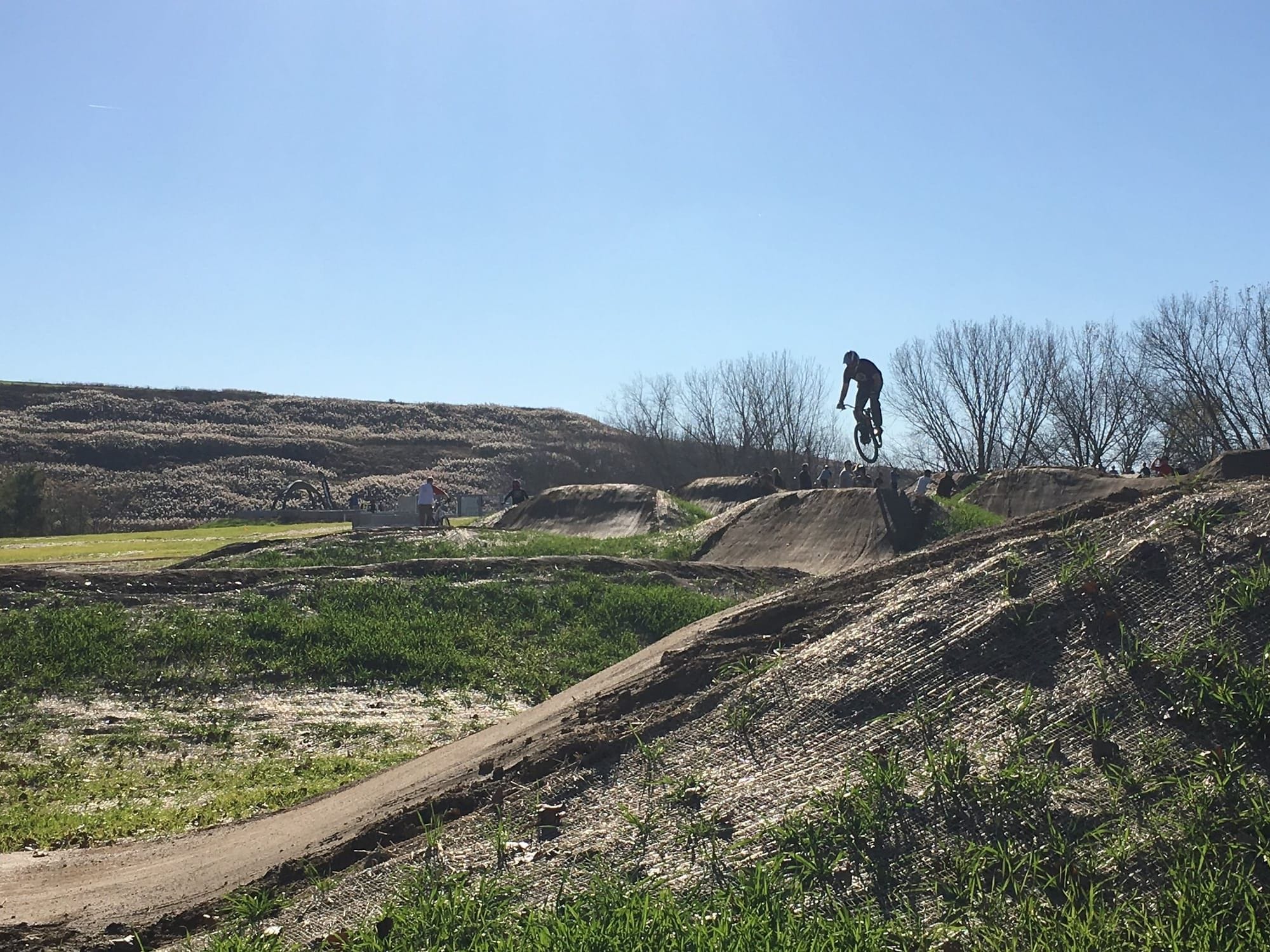
The City acquired the land in 2011. Five years later with help from companies like REI and SRAM there were dirt jump lines, a concrete skatepark, murals and rudimentary trails snaking to the park’s edges bordered by Norfolk southern rail yard and the aforementioned landfill.
Bikes in Chicago means there’s always some dude you know at some race or ride or fundraiser. So I low-geared my way up the hill with a burgeoning civic bike influencer. We stood at the top to look at scattered Deering houses, Harborside Golf Course, the abandoned hulk of C. T. C #1 and the first signs of what was to come: BMX riders flying through the air on jump lines to our amazement. We came down the hill and round and round the boyfriend and my friend went on the dirt pump track. I abstained.
I do not have that boyfriend or the bike I rode down to the park at anymore, but I still love Big Marsh. Over the past decade I have watched it grow up into something I wouldn’t recognize.
I became someone who mountain bikes at age 30, and then began extremely novice BMX riding at 31 because of Big Marsh Park. The boyfriend and I broke up but I somehow had a long-term loan of a very good rigid Gary Fisher hardtail in my purview and the need to fill time.
In summer of 2017 I began to bring said bike on the Jeffrey Jump bus and spun my way down Stony at dusk, learning to pump across tiny rollers and dusty, potentially toxic berms. I dug my way through the very first iterations of short track night races at the park where I DFL’d and threw up somewhere in the back 40. I didn’t eat shit at least.
In 2019 I wrote a very rough piece about Big Marsh. It was a recap of a party, but also mostly my frustration with how resources for active transportation and access to biking flowed in Chicago:
I want more decision-makers and gatekeepers of bikelandia to be like the kids trying jump lines and racing in the rain, making community, grilling and listening to “Old Town Road” for the billionth time. [..]I want them to pour resources into young people who don’t have the same luck as their children who get to ride bikes like they might want.
I wanted acknowledgement from the same people I saw bringing their $4000 bikes on Kuat Rack heavy Volvos that they knew about the importance of the park. I believed in the concept of a convergence. Big Marsh was a contact zone with the power to make them perhaps consider the persistent neighborhoods of those who lived and worked around the park. They would remember their neighbors made their city by trading hard work and their health for other people’s affluence. They would recognize their good fortune to live in gentrified neighborhoods with substantial bike infrastructure. They could lend their voice and power to improve the disenfranchised built environment for their predominantly Black and Mexican neighbors.
Resources did come to Big Marsh over 10 years. The Big Hill is made up of Obama Library dirt. The stunning Ford center is a gift connected to the Torrance plant at 122nd. It used to be there was a fine path that cruised around there but last summer when I rode from Wolf Lake into Pullman it was a nightmare. Picking my way across a glass-strewn path that ended nowhere and spat me into I-90’s interchange sucked in a way I did not remember from 2010.
In the nature center you can learn about the environmental struggles of the area and notable figures like Ms. Hazel Johnson and Ms. Marion Byrnes, Black women who fought for the health and dignity of their neighbors and were foundational to the environmental justice movement. Johnson focused on her Altgeld Garden neighbors in the “toxic doughnut” of the Southeast Side, and her work would impact policy nationwide and in Chicago long after her death. Byrnes was a labor and civil-rights activist without whom the open spaces of the region would not exist, and instead would have likely been paved over and become home to industrial incinerators.
You can also learn about the Black and Mexican workers who labored in the steel and railroad industry and the bankrupted Acme steel coke plant. There is a topographic map of the marsh, where the Mars pond is so blue due to industrial contaminants. There are snakes and turtles and sometimes a very nice lady possum.
BIPOC birding groups and Black nature enthusiasts plan excursions and go camping on the edge of one of the marshes. There are runners and kids building fairy houses, house music, and Polar Adventure Days known to have sled dogs. There are, of course, a lot of bike people.
On Big Marsh’s birthday, I coasted in and kicked it with another old buddy from bikes. We sat in the sun with everyone who came through: BMX ladies and SRAM product engineers and board members and 7th Ward ladies out for the day. The Executive Director of the park’s org DJ’d and golden hour arrived as the party came to its end. A middle aged man took turns jumping his kids and a homie of a homie did skate tricks on the pyramids.
After about a thousand too many chances given to bike culture, I’ve finally mostly given up in 2026. There are so many parts of the Big Marsh I still love. I can safely say BMX culture makes up the best people in this ridiculous ecosystem. At Big Marsh you can see little black and Latine kids doing cool shit on 12-inchers. BMX women want to teach you things. When the new, fancy pump track opened (thank you, Walton Family), I worked my wobbly legs around it while I watched a four foot ten lady wall ride effortlessly. She ended up giving me a Jehovah’s Witness pamphlet, but still.
I like pumping dirt and catching the smallest bit of air I can. And dudes at the top of the jump hill have always been encouraging and self-deprecating. I cannot say the same of any road, mountain, or cyclocross rider I know right now.
Some things came to pass. I wanted white people on bikes to bring their prowess to Big Marsh. Now they do, but I’m uninterested in their tourist attitudes about the actual context of the space they occupy. I’m a local cliche at this point but I just roll my eyes because bikes are not going to change. I wish I’d known that in 2016 or 2020 or 2023 when I still naively tried to encourage white people to be better.
There is no place in the world like Big Marsh. There is also no world where I would have tried racing bikes or riding Western State single track or handling my shit better on these streets without this park. It was an incredible sight to see and it as a joyful space: people throwing picnics, dancing, and hucking their bikes into the air. Hell, there were two eaglets born there a couple years ago.
Today the Feds are rolling out a welcome mat for destruction of the country’s protected natural world. Even though the park capped the toxic slag with soil for the Marsh’s restoration, people across the South Side fight for their health from industrial polluters next to schools and churches and parks. Politicians and civic leaders are high on their own supply about a quantum computing campus nobody asked for near Steelworkers Park just to the north of Big Marsh. Somehow it is so much worse than ever to try and ride down 103rd to get to the Park alongside drivers in the post-2020 landscape.
Still, Big Marsh’s birthday left me with the feeling I always get cruising out of the park with exhausted muscles and new pals. I was tired and happy and dusty. I remembered the almost extinct Illinois daisies that returned, pushing out of the chemical-marred dirt, and the quiet exhale of the park, surrounded as it is by so much of humanity’s mechanical tyranny. Chicago was swampland before. The Marsh will be what remains, "so proud to be alive and coarse and strong and cunning."
Carmen Aiken is a writer who still rides bikes in Chicago. Read their newsletter Team Hotspur or follow them on Bluesky. Listen to an excellent Big Marsh mix via the Executive Director of Friends of Big Marsh, DJ Scrabblor.
Paid subscribers can keep reading for more from me including the best things I've read and listened to and watched this week and a new poem and some more photos and whatever else I think of lying here on the cold floor of my house.
A common thing I hear about writing, my own and others, is "it made me feel like I wasn't alone" – see James Baldwin on Dostoevsky – or "put something into words I was feeling but couldn't express." The same is true of music. We've all felt this. "This song is about me." "It saved my life." etc. ...