Receiving gender-affirming care was like pulling teeth
If I received the treatment I needed, I would never have a “normal” body again

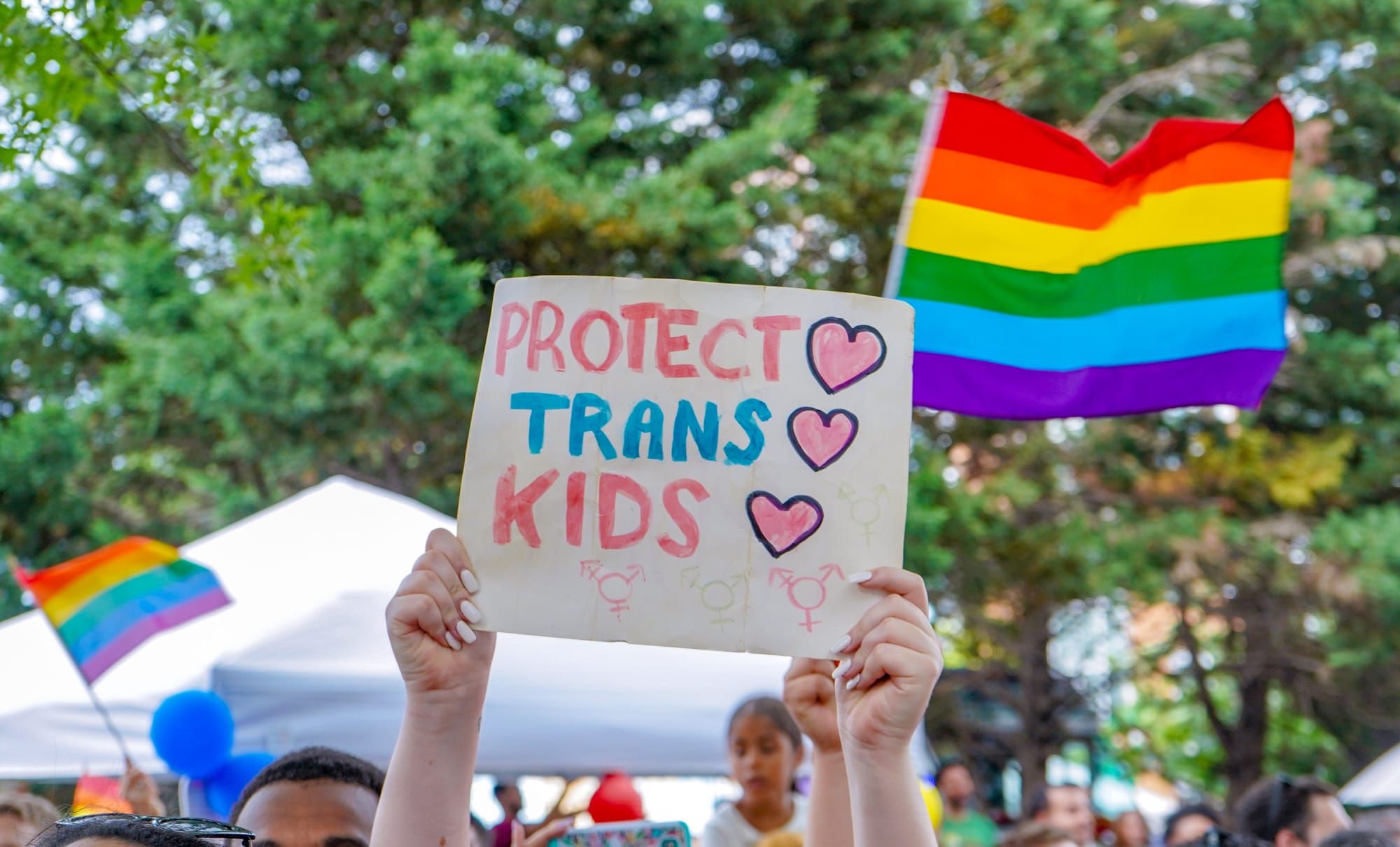
Today Patrick Silvanic writes about the gutting of the availability of gender-affirming care for minors in the U.S. and his own experience struggling to be allowed to become who he always was as a child.
"What was 'best for me,' as a child, was never truly about what was best for me. It was about assigning me to a lifestyle where my family wouldn’t have to feel ashamed of me anymore," Silvanic writes.
"I was told I could find my identity when I was 'old enough.' Not when I was a child. Not when I was a teen. But I was transgender through every minute of my childhood and I am still transgender at twenty five."
"Kids are told to just be themselves, unless that self is imperfect, in which case fuck it, you should probably just pretend you aren’t such a disgusting weirdo. We tell them this to their faces. Be like this, not like that. Always be yourself, but be the way you were made, don’t grow or change or evolve. Be the “yourself” your parents made, not the yourself you made. Your parents, and all the other concerned parents everywhere, know what is best for you, even if that’s being someone you are not."
Hell World believes in paying trans people to write about their own fucking lives instead of leaving it to sniveling newspaper creeps. Consider supporting our work with a subscription.
Alright here's Patrick Silvanic. Enjoy this related poem of mine.

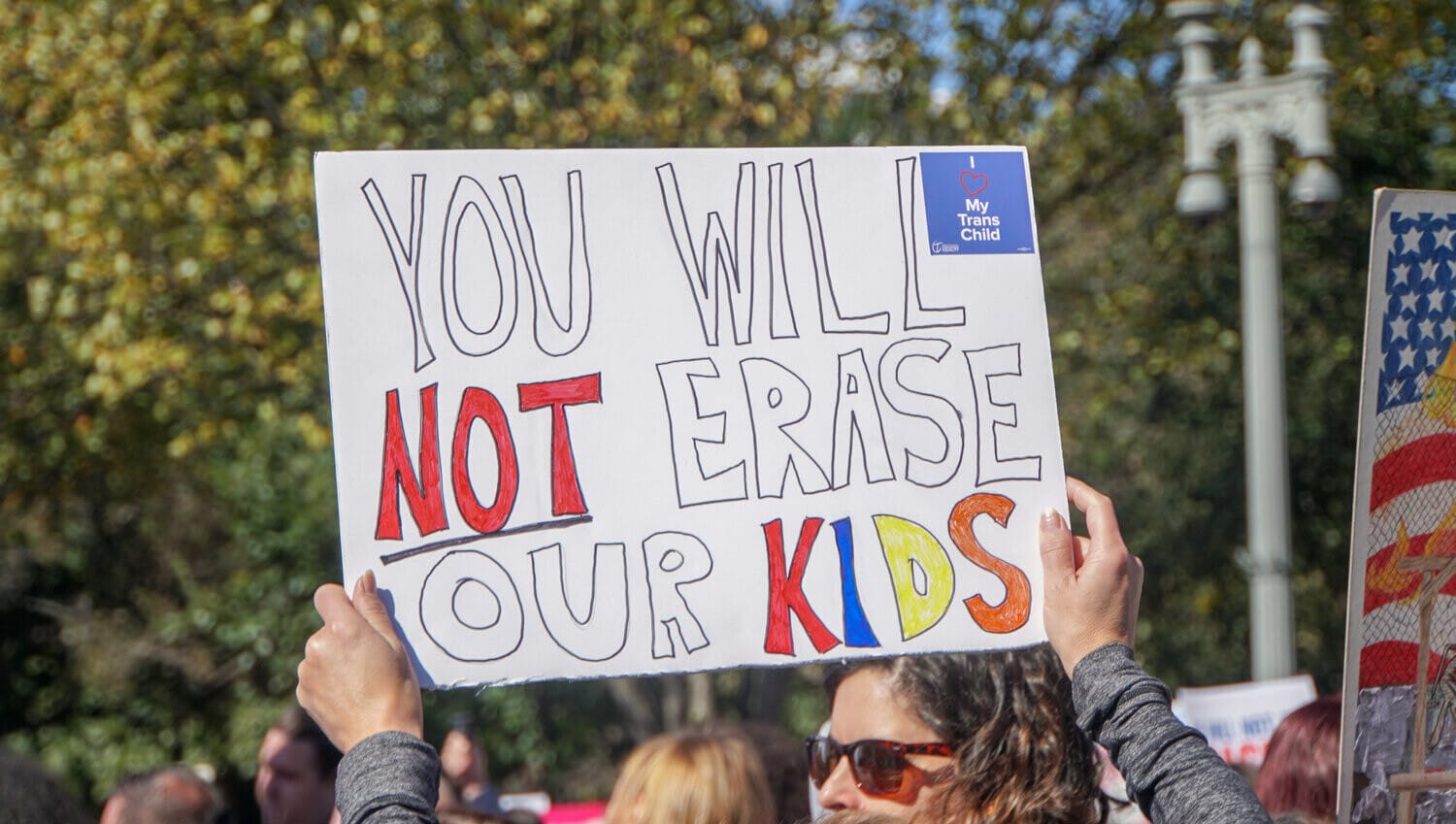
We’re trying to protect the children. That’s why we took their rights
by Patrick Silvanic
In America children are considered sacred. At least that’s what we’ve all been told. Their protection is often declared to be our first concern. Even when it’s proven time and time again that our protections for our children are in fact very weak. Gun violence, for example, is the leading cause of death for children here, and has been for years, with very few meaningful changes at the legislative level even attempting to alter this pattern. American parents, and those who govern in their name, insist, all the same, that they know best. After all how can we keep a child safe if we cannot control their every move? Even, or especially within, the borders of their own bodies.
Our children's waning ability to determine their sense of self without parental approval can be seen everywhere. It’s in the tracking measures implanted into the technology we give them so we don’t have to waste our time entertaining them. It’s in the mass banning of books ranging from A Clockwork Orange to And Tango Makes Three in school libraries. And now it can be seen in the almost complete loss of gender-affirming care for minors in the U.S.
For many “concerned parents” this loss for trans children has been considered as a win. I’ve seen many thrilled chronically Facebooking moms cheer that they no longer have to worry about what will happen when the big scary transgenders come and – I don’t know – transgenderize their child forcibly (?) As they’re known to do.
As absurd as that sounds, it is so hard to get the idea through their heads that even if there is no care available for trans kids, children will not be any less transgender. They will simply languish without the care recommended to them by a doctor who is in fact not getting a huge cut from Big Pharma to “mutilate” your child’s breasts.
(It’s believable that rich doctors would take a cut from performing unethical surgeries on young girls, but we already know where to look if we want to deal with any of that.)
It is unbelievably tough to force a child to identify with a different gender than the one they internally identify with. This is a reality that almost all trans people who came out during adolescence know too well.
The vile part about the “parents rights” movement is that it masquerades as everything it is not. First the parents’ rights movement began in schools, stating what children could and could not be taught or exposed to in a classroom. It has now spread to encompass every aspect of childhood, asking parents to restrict how children learn and explore at home.
We are concerned parents, protecting our poor innocent kids from what they can’t understand. Even if my child came to me and said “I’m trans,” I would know that to be a lie. That’s just what every trans adult in my kid’s life has told them. Which makes sense, because even though I’ve worked hard to isolate my child from any instance of a LGBTQ+ person existing, they know TONS of trans people personally who are soooo excited to rip out my child’s soul and make it gay and disgusting. We should make sure these people don’t hurt my children.
I have never once tried to “transition” a child, or explain my own transition unprompted to one. I don’t know of anyone who has. That’s because my transition is relative to myself and myself only. I don’t give a fuck about your kid!
Ok I do but still. I’m sure they can decide matters like that for themselves.
My family often reflects back on my transition as an incredibly hard time for them. While I hate to steal the spotlight, it was without a doubt a much harder time for me. When I was finally allowed to come out to my friends at school at age sixteen, they were largely confused as to why I hadn’t done so earlier. I had visibly never been my mother’s daughter, as much as she may have wanted me to be, and my refusal to go by my birth name, and my chagrin at being referred to as a girl in any way, shape or form had not gone unnoticed.
On the other hand, the parents and teachers I knew came crying to my mother that she was making a terrible decision, and that surely her encouragement of my lifestyle was to blame. After all, a white liberal single mom would surely have easily caved to my woke, fleeting whims to score brownie points among her progressive friends.
Of course, at home, the blame was passed to me. I was the one who had woken up and chosen to become the black sheep in the first place. How, in a family with absolutely zero prior scandals or any infighting (lol), could I have done this to everyone else?
But that wasn’t the real story. Receiving gender-affirming care was like pulling teeth. My doctors grew visibly chagrined at my mother pointing out various flaws with my too-feminine yet too-masculine body, and her discussing with them how if I received the treatment I needed, I would never have a “normal” body again. We tried hormonal treatments for the first time when I tested for abnormally low estrogen, much to my frustration. To my mother’s disappointment, my identity did not change.
When she took me to a “shaman” – a white man named Steve, who rented a portion of an office building for his “healing services” – to connect me with my “feminine side,” I realized that what I was experiencing was some kind of fucked up, faux-kindly attempt at conversion therapy without my mom being branded as a parent who took their child to conversion therapy. I was assured that if Steve’s attempts to make me whole again did not work, my mother would finally meet me with acceptance.
During those services I sat in silence for hours while Steve prayed over me. I was told to clear my mind and focus on my inner “feminine energy.”
Instead I seethed. All the while taking occasional peeks to make sure he wasn’t doing anything fucking weird. It was all pretty fucking weird!
I had never met this man before, and while he largely just sat there and channeled “vibrations,” knowing that my mother had dropped me off here without a way to contact her made me feel admittedly afraid. For hours Steve sought out my feminine side, while I wondered how long I’d been there for, and when I’d be able to go home and tell my friends that I’d just been through some really crazy shit.
After leaving, my mother was always disappointed to hear that I wasn’t “feeling any better.” Steve reassured her that I would connect with my feminine energy in two to three days, because rationally, that’s how it works. I dreaded those next few days, but like I expected, when I was still my usual self afterwards, my mother would be frustrated and angry that the money she’d spent on a sixteen year old’s spiritual cleansing had been wasted. What was “best for me,” as a child, was never truly about what was best for me. It was about assigning me to a lifestyle where my family wouldn’t have to feel ashamed of me anymore.
I was told I could find my identity when I was “old enough.” Not when I was a child. Not when I was a teen. But I was transgender through every minute of my childhood and I am still transgender at twenty five.
How old is old enough?
We allow our children to fight in bloody wars over oil or nothing at all when they turn eighteen. But until that very coming of age moment, they must surely be a frightened, helpless being. Kids are told to just be themselves, unless that self is imperfect, in which case fuck it, you should probably just pretend you aren’t such a disgusting weirdo. We tell them this to their faces. Be like this, not like that. Always be yourself, but be the way you were made, don’t grow or change or evolve. Be the “yourself” your parents made, not the yourself you made. Your parents, and all the other concerned parents everywhere, know what is best for you, even if that’s being someone you are not.
I don’t know what there is to learn from all this. If you’ve read this far, you were probably never a MAGA-hat-wearing hardcore Republican slobbering at the mouth to ban the mention of trans existence to begin with. Maybe you’re a nice liberal “with concerns.” Sure, there need to be safeguards and rules in place to guard children who may be exploring, have gone through traumatic experiences, or may not be trans at all. Additionally, surgeries should not be pushed as a “first option.” Many trans people are perfectly happy without them.
But it’s silly for me to bring any of that up like it’s relevant, because by and large, the safeguards are already there. Or were already there before gender-affirming care for minors was gutted.
Therapy takes place for a minimum of a full year before any kind of medical treatment. In therapy, we are not “encouraged” to be transgender – largely, my therapists challenged my identity, and explored past trauma and any potential “pressure” I might have in my life to be trans. (Don’t worry, they didn’t find any). The process is not easy, and not what any teenager wants to be spending their weeknights doing. Many times I went alone, with the realization that my choice to be myself was also my choice to separate myself from ever fitting into the same spot I had been placed into among my family.
The guise of safety for children is just that. It’s an act. If we cared about America’s children, we wouldn’t allow them to be so casually and frequently slaughtered while learning a lesson or going out with friends and enjoying a movie or concert. We wouldn’t allow pedophiles to prey on them online without severe consequences. We might crackdown on largely unregulated technology like “A.I.” chatbots that have led kids, trans and otherwise, to suicide or other mental health issues.
More importantly we wouldn’t force them to be people they’re not, particularly if that person is depressed and self-hating when they do not have to be. The “parents rights” movement is innately useless, because parents have always held all of the power over their children. What rights do parents not already enjoy over them? It is children’s voices that do not matter here. Not when they’re begging for help, not when they’re trying to speak out, and certainly not when they’re trying to be themselves.
Patrick Silvanic is a writer in New England.
Earlier this week Zack Budryk returned to write about Amy Madigan, One Battle After Another and the politics, silent and otherwise, of Sunday's Oscars ceremony.
 Luke O’Neil
The stereotype of these events is that they’re packed cheek to jowl with rich, out of touch celebrities hectoring the rest of us about politics and touting their own enlightenment; perhaps the archetypal moment was in 2005 when George Clooney, accepting Best Supporting Actor, spoke of how ahead of the industry was for honoring Hattie McDaniel (he did not include the context that it was for her role as Mammy in Gone with the Wind). But like many institutions comprising comfortable, wealthy people, the ceremony has tended to play it safe in practice. ...
It’s of course easy to counter criticism of this by saying that a film speaks for itself, but this ignores just how much moviegoers can compartmentalize when it comes to art. Of course Glazer’s movie about the kind of men who committed one genocide was also saying something about the one taking place at the time of its release, but there were still people blind enough to that to be outraged when he made it explicit. When you win awards for a movie where jackbooted thugs rampage through Latino neighborhoods but don’t mention that the same thing just happened in that very city, it’s the kind of silence that makes a noise, not unlike how Amy Madigan sat quietly and still made a statement.
I first posted this piece yesterday when it was St. Patrick's Day. You may still nevertheless appreciate this old one about the long tradition of hunger strikes around the world and particularly in Ireland.
 Luke O’Neil
At any one time, there are dozens, perhaps hundreds of people undertaking hunger strikes around the world. Many of these strikes go unremarked, but the fasts are a binding agent within the groups that undertake them. The line between fasting-as-protest and a hunger strike is largely one of semantics. A hunger strike draws on the language of labor movements to evoke a work stoppage, an action by community members. A fast suggests a moral goal. But in reality, there is little difference between the two. More than a protest against conditions or a call for attention, fasting in protest can express solidarity, and solidarity means trouble for the powerful.
A very good piece on politics and sports and why the USA team fucking sucked and were impossible to cheer for. (Even if it's from a Yankees fan).
 Joshua Diemert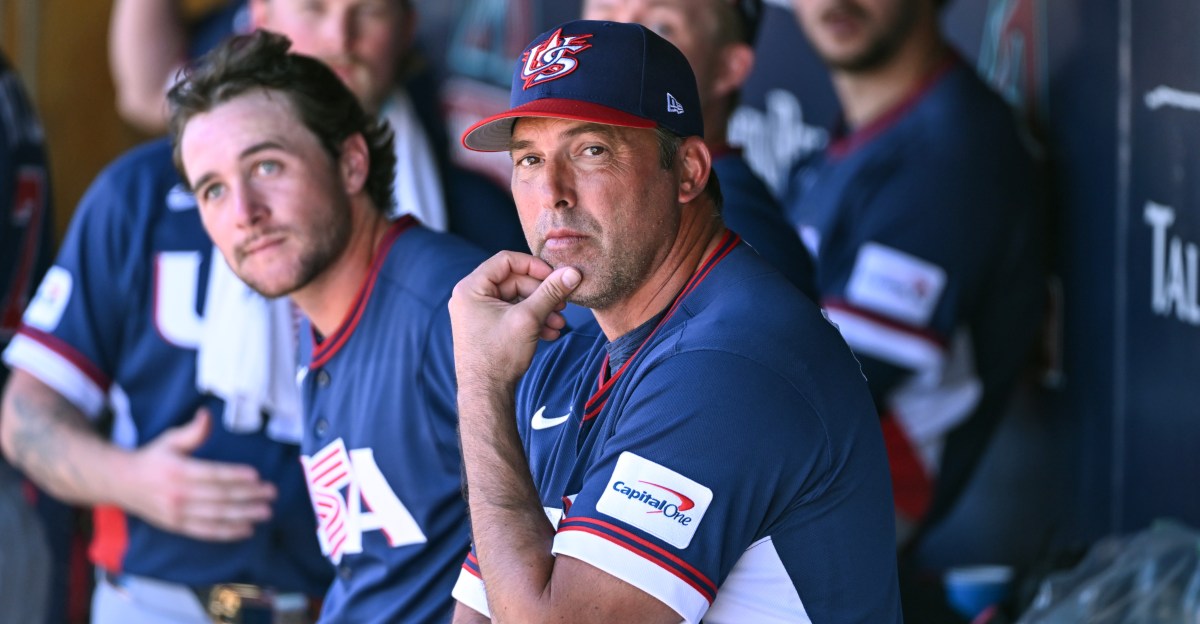
There are many that will chide me for bringing politics into sports, that the WBC is a vehicle to get away from all the rest of the world, but your own team refused to allow that to happen. Thirty grown men—more than that, but I’ll complain about the silliness of moving players on and off your roster later—openly played army guy for two weeks, throwing themselves prostrate before missile launches and drone strikes. Team USA took a side. They brought politics into sports.
I think it says something about the American mind that this is how a collection of players from across the country would choose to market themselves. I’m writing this during the Oscars, where Sinners was widely recognized, a celebration of a very specific piece of American culture: blues music that became jazz that influenced nearly everything we hear today. The great musical history of the United States, the diversity of thought and ethnicity and language that creates some of the greatest cultural spaces in the world, goddamn Saturday morning cartoons. There are so many quintessential Americanisms, even Americanisms that Americans have made up to comfort themselves, and 30 ballplayers refused to wrap themselves in any of that. Instead, they wanted to align themselves with men whose sole concerns are whether they’ve purchased enough Tomahawks to replace the one they just slammed into the roof of a school.
No one is doing it like Conner. Another hit.

Please do not ever hit the "guy being weird" button on me.
Hey check it out you can read Denis Johnson's Train Dreams for free right now at The Paris Review. Also watch the film if you haven't it is stunning.
In the summer of 1917 Robert Grainier took part in an attempt on the life of a Chinese laborer caught, or anyway accused of, stealing from the company stores of the Spokane International Railway in the Idaho Panhandle.
Three of the railroad gang put the thief under restraint and dragged him up the long bank toward the bridge under construction fifty feet above the Moyea River. A rapid singsong streamed from the Chinaman voluminously. He shipped and twisted like a weasel in a sack, lashing backward with his one free fist at the man lugging him by the neck. As this group passed him, Grainier, seeing them in some distress, lent assistance and found himself holding one of the culprit’s bare feet.
This was an extremely long and very good piece of reporting on the band American Football in GQ.
 Grayson Haver Currin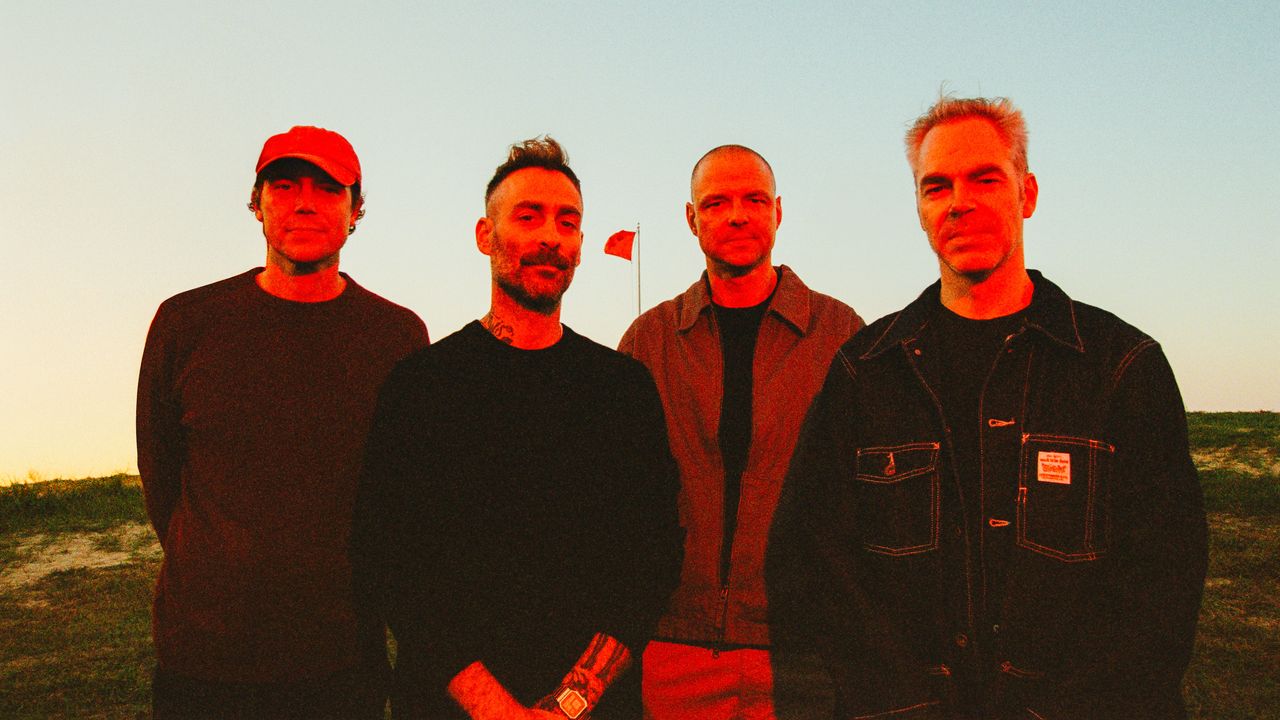
They had a new issue, too: booze. In college, Mike wasn’t really a drinker, still bothered by the struggles he’d seen in Cap’n Jazz and at home. But each of these shows held more people than American Football had ever played for combined, so he self-medicated. “I had been doing the exact same thing to nobody,” he says. “I went from 15 years of nothing has changed to what the fuck is this? It was exciting, but I drank too much and played terribly.”
In the crowd, no one seemed to care. “Those early shows were trainwrecks,” Nate admits, “but the audience was so forgiving. They never thought it would happen.”
Garzón had been on the road with bands for years at that point, and he thought he knew what it meant to watch people cry from the stage. The Webster Hall shows changed his expectations of how a band could make people feel. “It was 30 to 50 people out there not just crying, but ugly crying. It felt like a group therapy session,” he remembers. “It was all these people who had been waiting for so long, and it was just a giant release. The shows were magical, even if they were executed, eh, OK.”
That's emo to me buddy. Has to kind of suck to really hit.
Speaking of emo Parker Molloy had a great interview this week with America's sweetie Geoff Rickley. Check it out.
 Parker Molloy
And here's one more very good piece on why "A.I." is so dangerous from Anna Merlan at Mother Jones. Don't ever say I don't give you enough reading to do.
 Anna Merlan
In the United States—and in totalitarian societies like China and Iran—it’s reasonable to expect what he calls “truth decay” tactics, Iarovyi says, “Not just individual falsehoods. The strategic product is uncertainty, polarization, and distrust—conditions that make collective action harder.”
“When disinformation is constant,” Iarovyi says, “the everyday cost of knowing what’s going on rises. People spend more time verifying the basics, or they stop trying… It reduces meaningful participation because democratic life assumes at least a minimal shared picture of reality.”
Constant exposure to disinformation, by contrast, he says, can produce both cynicism and disengagement. “A high-volume, repetitive environment (especially when messages contradict each other) doesn’t need to persuade you of a specific lie,” he explains. “It can persuade you that truth is inaccessible, so politics becomes vibes, identity, and tribe. This is why the ‘flood the zone’ logic works: it produces exhaustion and withdrawal, not just misbelief.”
Another newer poem from me from last week if you missed it.
 Luke O’Neil