A nation that never has to pay
Jeb Lund on war with Iran and war with Iran and war with Iran and Florida
I'm excited to have the great Jeb Lund back writing for Hell World. It's a striking and elegiac and wending piece about memory and education and mothers and war and Florida and California and the warring parts of both states and this entire warmongering country of ours.
While MAGA has elevated being a puling pissbaby into an art form, both parties have nursed this infantile strain of public life, where we can have all of the moral crusades and none of the sacrifices a moral universe demands. As each successive conflict is further insulated from anything but a petroleum-based personalized consequence, each war without a reckoning with the butcher's bills, or the regular bills, feeds the impulse to start another one just like it. A nation that never has to pay is invincible, or at least imperturbable to how anyone else is forced to pick up the check. Every fear can be dissipated by our beautiful weapons, every antagonist smited, and every electoral foe thwarted by boldly, decisively and masculinely leveraging a little atrocity. Smart. And it's not gonna set you back a thing. Hell, the line's goin' up so much, we'll give you a rebate. Buddy, don't think of us as your government at war, think of us as your war broker.
He's really quite good!
Jeb wrote two of my favorites for Hell World a few years back.
 Luke O’Neil
On our last day there, I remember looking up at the sky I grew up under and realizing, for the first time, how truly barren it was of clouds—not just compared to the monumental nimbuses of the Florida I'm now used to, but completely, at all. And I remember thinking, Oh, God, we're all alone, aren't we? and feeling as if I could sense how fast the ground underneath me spun in outer space, and suddenly my lapsed deadline seemed to come pouring over the treetops and wash all over me.
 Luke O’Neil
I really can't tell if I feel more anger than sadness at the fact that those who were meant to encourage us in safety, to serve us by offering difficult guidance, wasted our sacrifice and our trust. They squandered the patience given by a beggared and exhausted people. All they had to do was the right thing, and if they weren't sure what that was, they could have erred on the side of saving people’s lives and hoping it counted, and they failed.
And more recently about R.E.M.
 Luke O’Neil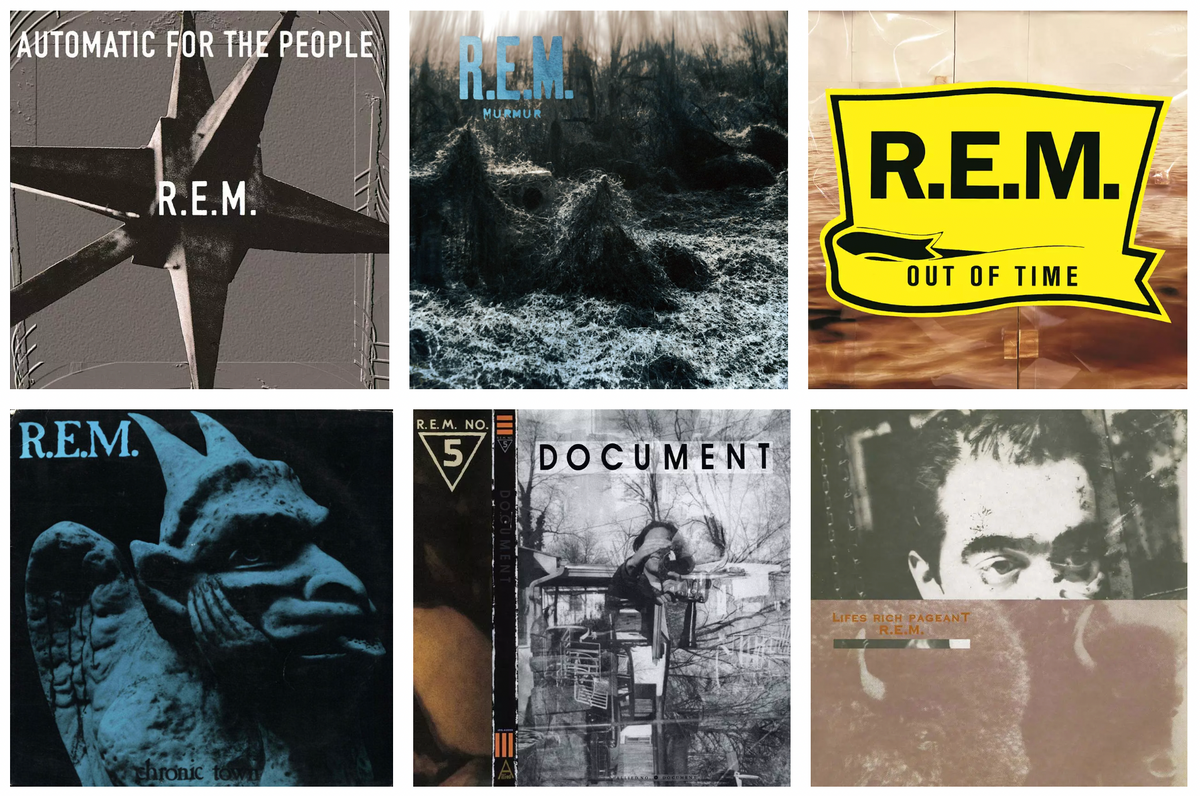
This was originally for paid subscribers only but it's free for now. Consider supporting anyway if you can. Here is a handsome discount.
Also read this one by Rax from the other day. It's about reading Milton Mayer’s 1955 book They Thought They Were Free: The Germans 1933-1945 in the age of ICE.
 Luke O’Neil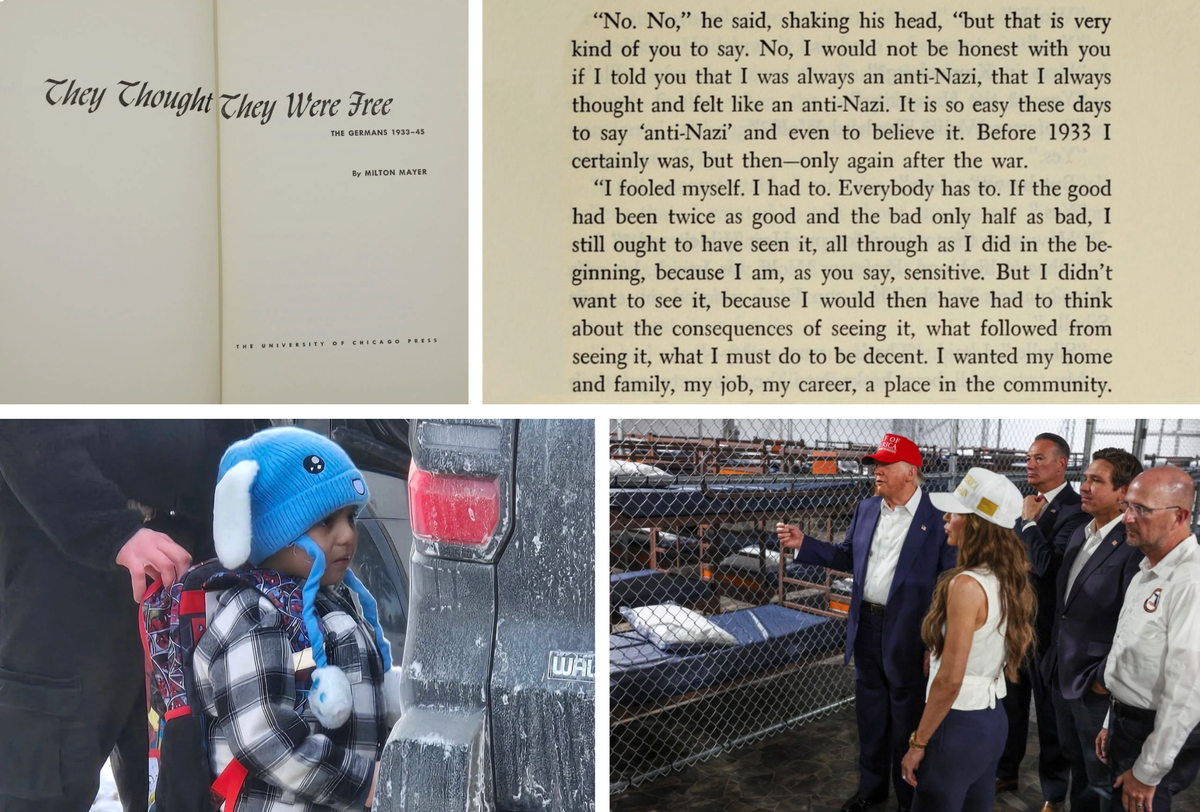
It’s an attitude that feels drearily familiar in a moment when kidnapping and torturing immigrants comes with a $50,000 signing bonus. On the FAQ page of ICE’s website, prospective applicants aren’t told they need to hate migrants (or, realistically, any darker-than-white person who might be a migrant). They aren’t promised the opportunity to commit blasphemies on a government salary. The listed benefits are the usual ones: paid sick leave, health insurance. Asked what qualities applicants should have, America’s secret police force requests officers with “integrity and courage.” With “professionalism and leadership.” With “strong critical thinking skills.” They’re the same qualities demanded by every employer in every Indeed ad. Nowhere is it mentioned that this job entails the high level persecution of migrant communities. Maybe applicants can be trusted to take that part as a given.
Alright here's Jeb. It's a special one I think.
None of the sacrifices a moral universe demands
by Jeb Lund
I don't know what you do when we declare war but I called my mom. It helps. Mom also raised me on her own while going ABD in history, and it's nice to talk shop still, even if it's not as much fun as making her recite the declarations of war from WWI, in order, at the dinner table. This time I told her I didn't think we'd still be doing the exact same stupid thing, depending on how you score it, for the third or fourth or fifth time in my lifetime. She told me "Just wait 'til your 50s and 60s."
I'll keep waiting, if you don't mind, not least because she's right. We were talking about the United States bombing Iran for the second time in two years, as if correcting for the failure of our first insane provocation. If America were a child, we'd looked out the back window, watched it take a swing with a whiffle ball bat at a hornet's nest, see nothing happen, walk to the opposite end of the yard, wind up the bat and take a running, bellowing charge at it. We're all so proud. Our son Donnie has the aptitude of a five year old, but his suicidality is testing at the gothest end of the 10th grade spectrum.
Mom wasn't old enough to watch America and England snuff out fledgling Iranian democracy in 1953 and understand what was happening, and I wasn't old enough to watch and understand the Iranian Revolution of 1979, its most obvious consequence. I've already had the pleasure of explaining to my own son what a JCPOA was and then the wonderful chain extenuating from Donald Trump's seethingly racist and jealous need to make it a wasn't. Of all things it all keeps reminding me of seventh grade.
When I was twelve and growing up in the San Francisco Bay Area, an enterprising English teacher gave us a classic English teacher assignment. She leveraged our pre-teen self-absorption against us and bundled "using persuasive language to link and evaluate two ideas" with "guaranteeing an assignment would be turned in by getting our parents involved." Namely, she told us to ask ourselves what we were currently going through, then go ask our parents what they were going through at that age and see what we had in common. I'm not sure whether the prospect of introspection and familial bridge-building or the guarantee of completion was her biggest ambition, but I understand either way.
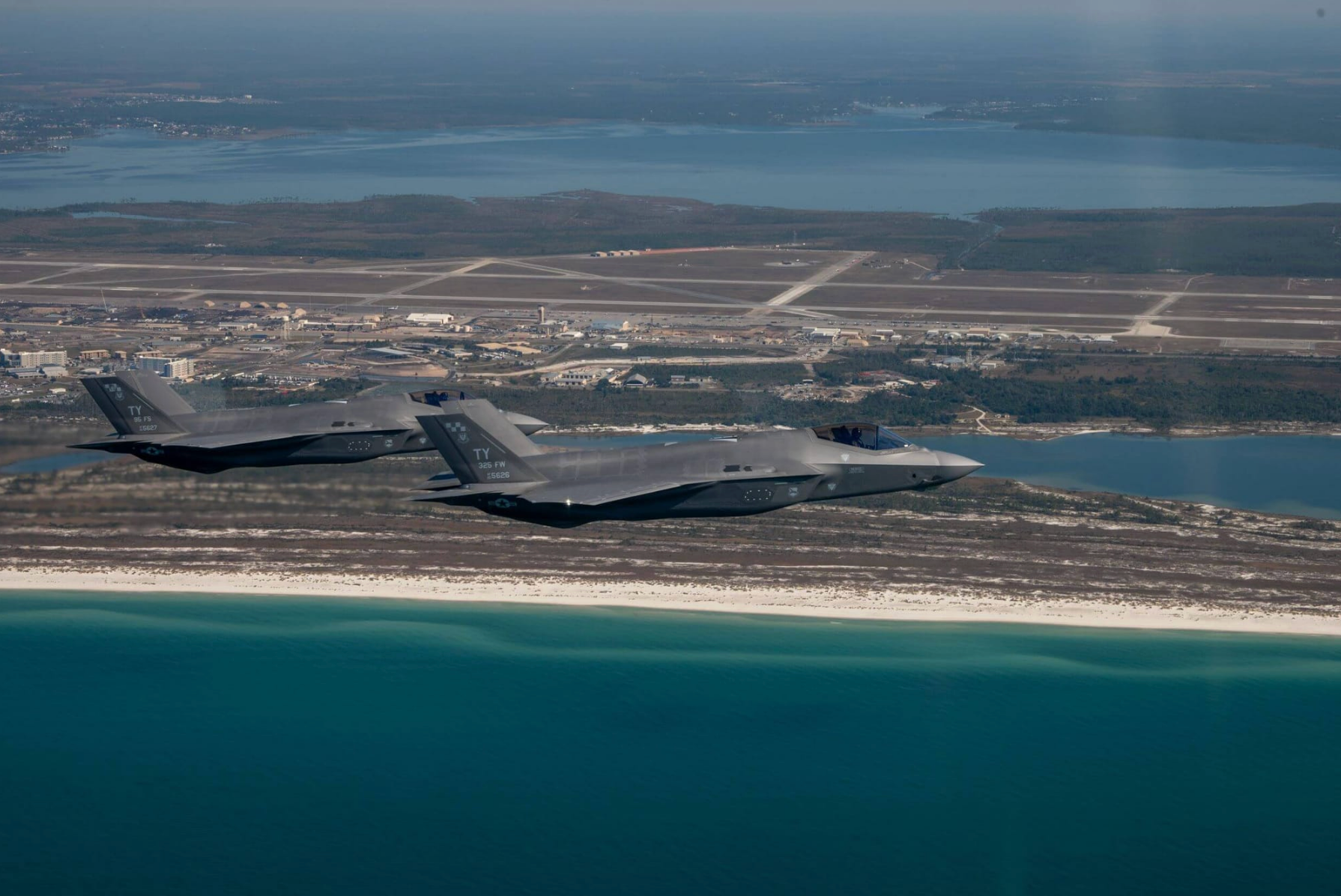
Finding common ground was going to be difficult. At twelve, mom lived next to "the largest Air Force Base in the Free World," about 50 miles east of the Pensacola Naval Air Station and about 80 miles west of Tyndall Air Force Base. (You might recognize the former as the home of Pensacola: Wings of Gold and the latter for getting shut down by Hurricane Michael, whose aftermath provided the money quote of the Trump era: "I thought he was going to do good things. He’s not hurting the people he needs to be hurting.")
But those disasters were still decades away in 1962, and the standout event of mom's seventh-grade year was the Cuban Missile Crisis. One day, the flight line was full, and all was normal. The next day, all her friends' dads and hers were gone, and no one knew when they would be back, if they would be back, or if there would be anything left to come back to.
Which is to say, essay-wise, that compassion was still on the table. Uncertainty and powerlessness are timeless themes of being twelve years old, and I might've gotten away with the comparison, too, if the Berlin Wall hadn't come down something like two weeks earlier. "The end of the Cold War ate my comparative essay homework on growing up during the Cold War" was, I thought, a perfectly reasonable excuse, but I knew my teacher would disagree. The contrasting essay practically wrote itself though. I remember nothing of it, except that it was difficult not to let a little crowing know-it-all tone seep through. (Not like now, humbled, as I have been, from decades of political victory.) Look at those poor benighted fools of 1962, I thought—not lucky enough to be living, as I did, at the end of history.
There were dumber postures to take, I'm sure, but not many more embarrassing for the son of a history teacher who already daydreamed about becoming one himself. If you want to make God laugh, make a plan, but in a pinch you could call a historian. Humans are very good at not noticing things that aren't actively there, and while it's hard to traipse around London without being aware that you are walking on and through and propelled by history, it was very easy growing up on the west end of the American continent to presume to be standing on the shoulders of, well, not really anything else, thank you very much. Especially if you didn't think too hard about it.
I know I didn't think too much about why I was in California. I knew that the military realized it was paying too many colonels from WWII and Korea to fly planes in the mid-sixties, grounded grandpa and his buddies, forcing them to head west to test planes for Lockheed and Grumman if they wanted to get in the air again. I definitely didn't think about how the house I lived in had been a persimmon orchard when mom was born, before Stanford and environs ballooned on Cold War defense work. I didn't think much of the fact that you could see the names of the companies that built the warplanes I liked playing with die-cast models of from Highway 101. If I thought of 101 at all, it was for having an offramp where my grandpa was killed by a drunk driver, accomplishing what test planes, North Korea and bomber escort over Germany could not. I suppose, further back, we were there at all because Pearl Harbor gave my slackass longboard-surfing grandpa a chance to fly fighter planes despite zero experience or idea of what else to do with his life.
Mom stayed, but grandma fled back to the Redneck Riviera, permanently terrified of California traffic. That she returned to an area where the daily news once had to run front-page instructions on how to drive on multi-lane divided highways for a week didn't seem to enter her calculus, despite days of confounded locals acting like the new whiz in urban design was creating a pair of two-way roads parallel to each other, going the exact same places, where anyone trying to make a left could get t-boned from both directions. But, whatever, you know the fear you know.
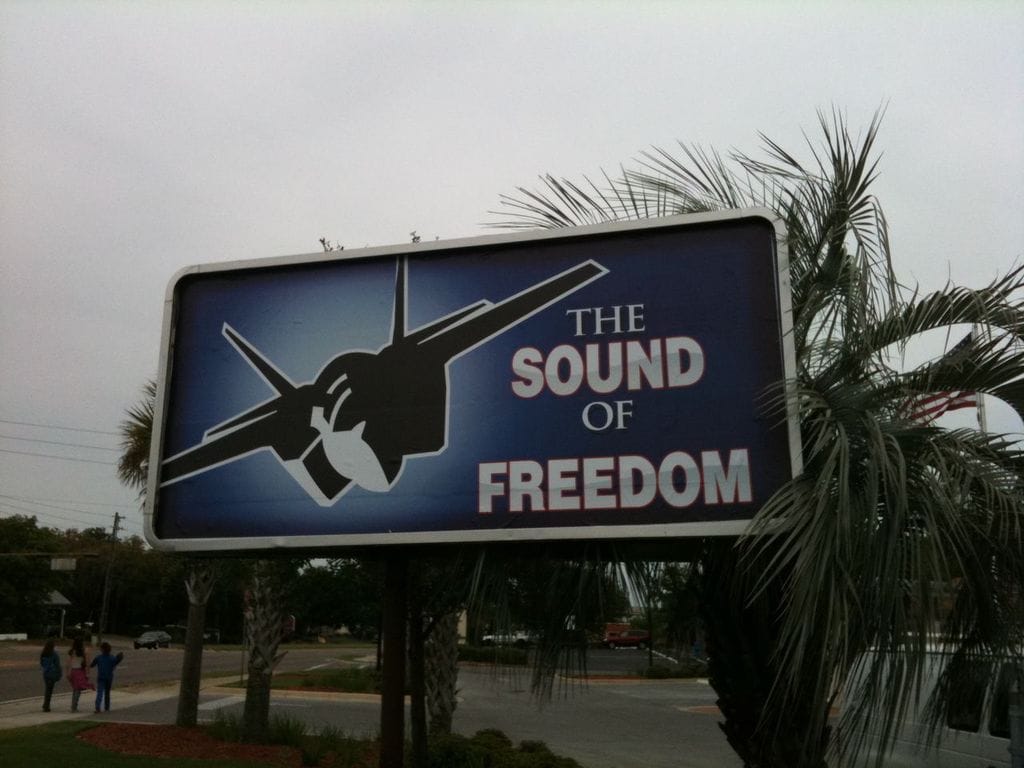
We followed her back before I started high school, when the Bay Area started pricing out single-parenting teachers. Grandma's house was inexpensive enough for a woman on a teacher's salary and widow's benefits. Being directly under the approach to the runway where the F-15's did touch-and-goes probably contributed something. It was accepted that whole lines of television dialogue in the pre-DVR era could be lost to an excited afterburner. The stained glass piece she hung by the kitchen window rattled and clapped against the pane before the C-130s even came into view. If you were outside, any conversation just had to stop and wait and wait, until they came in low and large enough to blot out the afternoon for a second, like the sun just winked at you. You could look up and see empire then, even if you didn't know what you were looking at.
If you look straight up now, you might catch the price of oil piercing the edge of space like Chuck Yeager going up in an F-104, or maybe an F-15, as sharp and free and elegant against a clear blue sky as the ones blown out of it by our allies a few weeks ago. I gaze up and think now of the officers my grandma taught as teens, the NCOs and junior officers who took my mom's classes at the college trying to rank-up on schedule, my fellow high school alumni who went into service or their kids who've sprung up enough to get shot down. I wonder how all of them are going to feel when our candyfuck SecDef's morning update on the arsenal of freedom comes out with an Elmer Fudd hungover croak. "No moah buwwets." The Rumsfeld Doctrine, that one goes to war with the military one has, is unparalleled in its convenience: However much you have abused it, it's still yours, and what else are you gonna use?
Given the odds, I have more history now than I have future, and there's more of it to see lying around, or maybe it's just easier to see in the mind's scrapbook, all those times something was taken down and something shot up in its place. Freelance writing affords its own version of a luxurious holiday travel budget, so we drive up and over to grandma's often and flip through it again. I'm reasonably certain that America attacking Iran during two of the last four trips is a coincidence, and, anyway, all the history is still there. The middle school founded by a Bircher—who was still passing out demented pamphlets when my mom came looking for a job in the 1990s—is still next to the high school where grandma ended as department chair, the same high school the Base Commander forcibly integrated years earlier by threatening to withhold enrollment of every brat on base and the federal dollars that came with them. Probably half the students now are bussed in from the fancy subdivision, down the same road from the school and across the bridge, where we detained Luftwaffe POWs in WWII, who liked their camp so much they came back decades later and built a golf course and ranch houses right next to where it had been.
I suppose one could think of that particular stretch of Highway 20, from East to West, as a timeline of where the arsenal of freedom bothers to direct its kinetic energies, but probably anyone in America can reconstruct this trail at home, wherever it is, with a little digging. (Years later, a furor erupted in Tampa Bay over historic Black cemeteries that had been paved over, something that had been recently discovered and was instantly portrayed as a kind of cover-up. But the planning department had already catalogued where most of them had been; it's just that nobody asked them, because until then most people hadn't bothered considering any of this an injustice.) History as it's made in grander strokes is easy to see; what's very difficult to see is when it's unmade every day, where it feels like the natural course of things. Up close each morning, erosion that stands out in time-elapse images just looks like yesterday. There's rarely if ever a real-time marker for when you reach the last moment when a thing is still itself and before it's become a ruin, when a temporary neglect becomes permanent, the last time someone comes to fix the bridge. No one hands out novelty checks and takes pictures for the last customer.
There have been fewer customers in Northwest Florida over the last year and change. Nobody formally announced a Boycott of Revulsion either, but even if they plan to announce its ending, that day is a long way off. The Redneck Riviera relied a lot on German tourists, tourists from the Commonwealth—tourists from everywhere—and the second homes for all the Buddy Garrity's out there aren't coming to the rescue. Empty condos don't Grubhub fajitas themselves, and the grad students from the big SEC schools who watched DOGE kill their grants, studies and early careers aren't springing for a week's rental on a budget of unemployment. Driving past the outlet mall this spring, last spring, last summer and holidays—the same mall where for decades sixteen year olds have gotten first jobs by being able to fog a mirror—the crowds under the arcades and the fleets of SUVs in the parking lot receded astonishingly more each time, like Lake Powell or the Aral Sea. Spring break shopping excursions that usually devolve to consumptive carnage instead feel like a pleasant, un-bumpy stroll. Traffic is lighter, fewer Je Me Souviens license plates cut you off, and the wait times at restaurants are a breeze. Disappearing lines at the trendy spots are great until the rest of them disappear—or your customers do, and your hours and paycheck go with them. Maybe Thomas Friedman knows what to do with that—find a rideshare driver and ask him how much less money he's making now that he's not driving shithoused Czechs from the Crab Shack back across the bridge to their Airbnbs, probably—but I'm not sure I do.
I actually tried writing about this for a couple different places during each of our surpassingly stupid attacks on Iran, so in a sense we can file this first as tragedy then as farce and then, finally, as cashing in. The first two times, everyone murmured this is good, followed by the dreaded we don't really know what it is though. Which made me peevish—because that's my wounded reflex—but I think justifiably so the second time around, after I took a breath and a walk. I mean, first of all, if it was good the first time, and the war turned out to be fake, it has to be even better when the war is real. Second of all, and this is my "I should've said the jerk store called and they're all out of you" moment, it's about the war. Unless you're dropping the bombs or sitting under them, the war is about going to Chili's, and America's duopoly has labored over decades to make war this and only this. First war comes for the gas money, then it comes for the rest of the money.
Before Reichsmarshall Stephen Miller and every GOP staffer under 40 came around to viewing the Second World War as a disgraceful aryan civil war, it became a tired pre-vaccine pandemic point to note that they would have responded to the attack on Pearl Harbor by calling for the murder of anyone who asked to see their ration card before they gassed up or bought a 40-pound sack of ground beef. (They might also, to be fair, have paused to applaud Japan's tremendous success at exterminating Chinese people—which was also, to be fair, a tastefully unspoken and sometimes wellsirfrankly spoken motivation for contemporary anti-interventionist Republicans.) While MAGA has elevated being a puling pissbaby into an art form, both parties have nursed this infantile strain of public life, where we can have all of the moral crusades and none of the sacrifices a moral universe demands. As each successive conflict is further insulated from anything but a petroleum-based personalized consequence, each war without a reckoning with the butcher's bills, or the regular bills, feeds the impulse to start another one just like it. A nation that never has to pay is invincible, or at least imperturbable to how anyone else is forced to pick up the check. Every fear can be dissipated by our beautiful weapons, every antagonist smited, and every electoral foe thwarted by boldly, decisively and masculinely leveraging a little atrocity. Smart. And it's not gonna set you back a thing. Hell, the line's goin' up so much, we'll give you a rebate. Buddy, don't think of us as your government at war, think of us as your war broker.
It is a very lucky thing when the course of history announces itself. Historians the world over working with the thesis that the Second World War was born in the ashes of the First owe Adolf Hitler a debt of gratitude for doing his best at the start of his career to declare this more or less constantly and sell a companion print edition. We are not so fortunate to have an American public figure who pledged the nation evermore to wars of purposeless convenience and sanitized and sequestered cost—all projects not of outward force but inward political leveraging, domestic projects outsourced to the lives of outsiders, the non-people. But where one name isn't handy, nearly "All" will do.
Looking at the snapshots later, it'll be easier to trace the line extending backward from the historic crime spree and profligate murderousness of Donald Trump, to George Bush cutting taxes and calling for a shopping offensive before embarking on two wars of futility and deceit, through the wrist-slaps of Iran-Contra, to Gerald Ford's pardon of Richard Nixon, a man who oversaw the deaths of 21,000 American soldiers and about 1.5 million Vietnamese people after privately acknowledging the war was unwinnable.
If prolonging, fomenting or enabling war by interfering in foreign policy is no crime, if failing at war is not failure, and if preparation is immaterial because cost is invisible, then there's hardly any need left to have a purpose for it either. We are currently in a war for which we have done no planning, have no communications strategy, no military strategy beyond the words "cut off the head" followed by "and pray for rain," and no fixed or plausible casus belli or an achievable objective, and soon we won't even have the bullets for it. You could be forgiven for asking if there's any part of war left to even bother having, but then you might ask something stupid like what we're spending one billion dollars a day on, besides making sure that we're hurting the right people, people whose deaths run the value spectrum from "fine, I guess" to "necessary," deaths whose justification began at their birth.
It has already been a great and sudden fall from the End of History, and it will take a long time before we see how far. We're not done, for one thing, but also it's difficult for the first drafters of history to cover changes of omission, withdrawal and wordless neglect, barring receipt of elusive official announcements of it, when everything is still fine because no one important enough has said it is not. Until confronted by some declaratory truth, a profession dependent on trying to put you in the room where it happens takes longer to figure out how to depict the place where the players aren't, the machines still whirr on momentum alone, and what's happening is less of something, less and less of it, until nothing. Like the bridge collapse or a bankruptcy, failure happens glacially for decades—then all at once. The ruins behind you light up like a path, like you could only ever end up here, and everything in front of you is gone.
There are mordant jokes to pass the time with mom until then. Like asking if Hegseth's hard up enough to wheel the Blackbird and the MOAB from the Armament Museum back over to the flight line. And personal ones, like how you couldn't take off from the civilian airport during the Second Gulf War until everyone on the plane closed their window shutters, because they used some of the Base runways, and someone might see something. Or how that security policy vanished seven years before the eight-year war did. Or how I couldn't put my Megatron Transformer in my checked suitcase during the First Gulf War, a level of security concern we would not see again for eleven years. Or how mom still lives near the Base, and I live eleven miles from CENTCOM, both areas with ample smuggling lore and, coincidentally, all the drugs in the world pass through this state like water through a sieve. Still, what a way for us to go out: in a pair of covert strikes targeting the Boggy Bayou Mullet Festival and the 1-800-ASK-GARY Amphitheater.
History's a buffet of sick humor, too, mostly compensatory. It creeps into frame, if you look at it long enough. And sometimes that's also personal. My faculty advisor—a Hungarian who wanted to restore the Habsburg Monarchy, was in the streets in Budapest in '56 and walked with a pronounced limp he never explained—once let a broad cheshire grin take over his face when answering a scoffing question about the efficacy of Molotov cocktails against Soviet tanks. "The T-34 leaked," he said and waited for the military history kid in the class to settle down.
But history's great for long-suffering comedy in general—like can you believe we ever did that nostalgia shows akin to I Love the 90's, but good. They just lose a little zip if you make too many bitter observations in a row, even in an ironic fey tone. Like how many states on a good trajectory have cut taxes before wars, or hobbled their intelligence apparatuses and gutted their state capacity and diplomatic corps. Or how many wars have been "good for the economy." Or how much empires cost, even when factoring in the theft. Or how states that presume themselves invincible learn they're wrong the hard way, and they always learn it last.
Jeb Lund is an award-winning national political columnist for Truthdig and a former columnist for Gawker, Rolling Stone and The Guardian, amongst others. He and David Roth have been giving themselves Stockholm Syndrome while goofing on Hallmark original movies with their pals, the m-m-m-m-monsters of sub-legacy media for seven years on their podcast It's Christmastown.
Here's some other stuff to read.
 Jennifer Brown
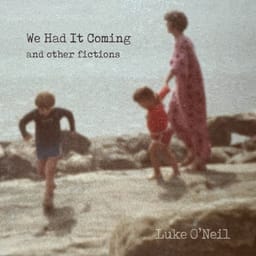
This story here of course reminded me of a piece from We Had It Coming – which I've shared a few times already but who knows what people read or not. Certainly not me.
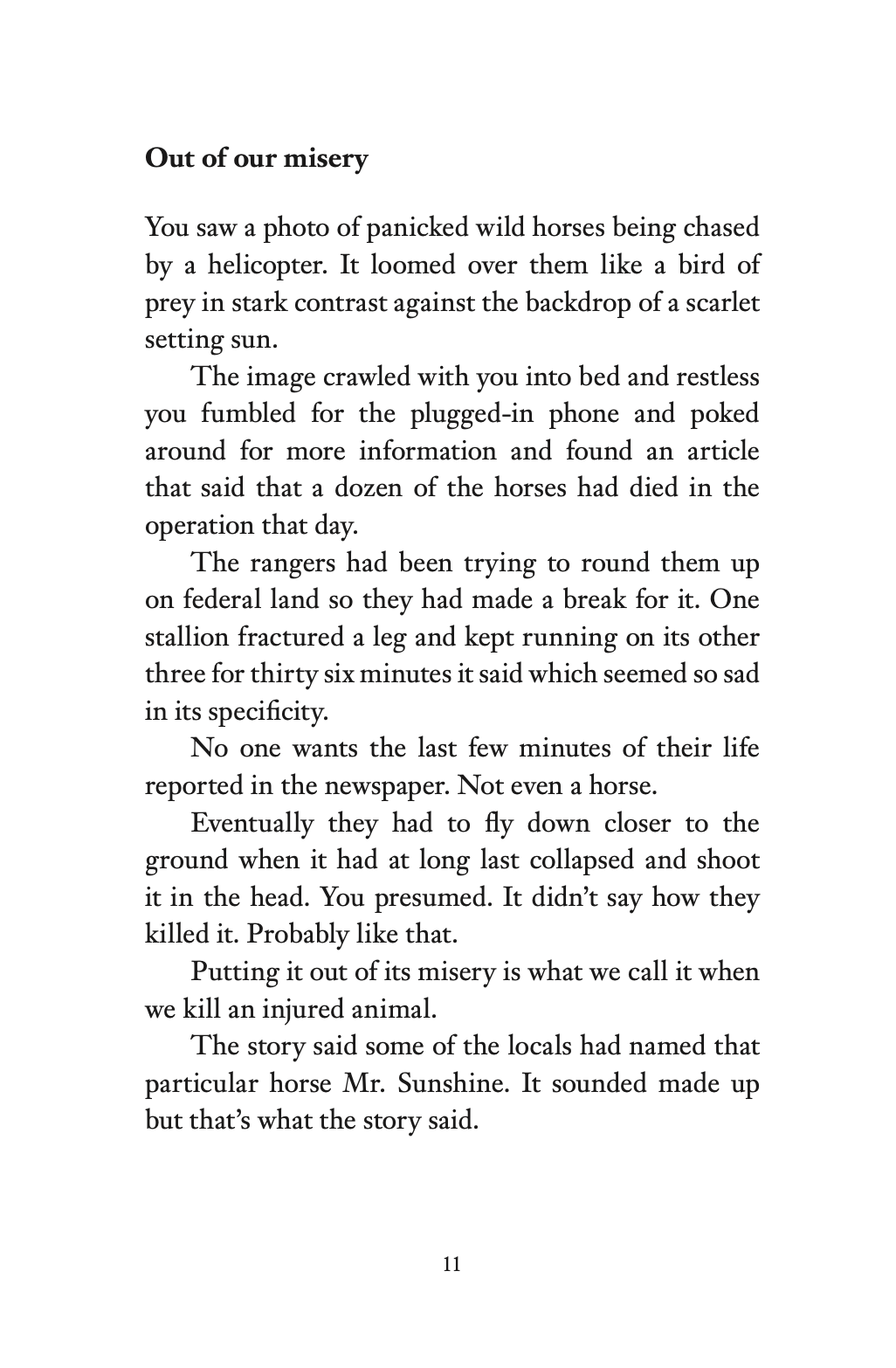
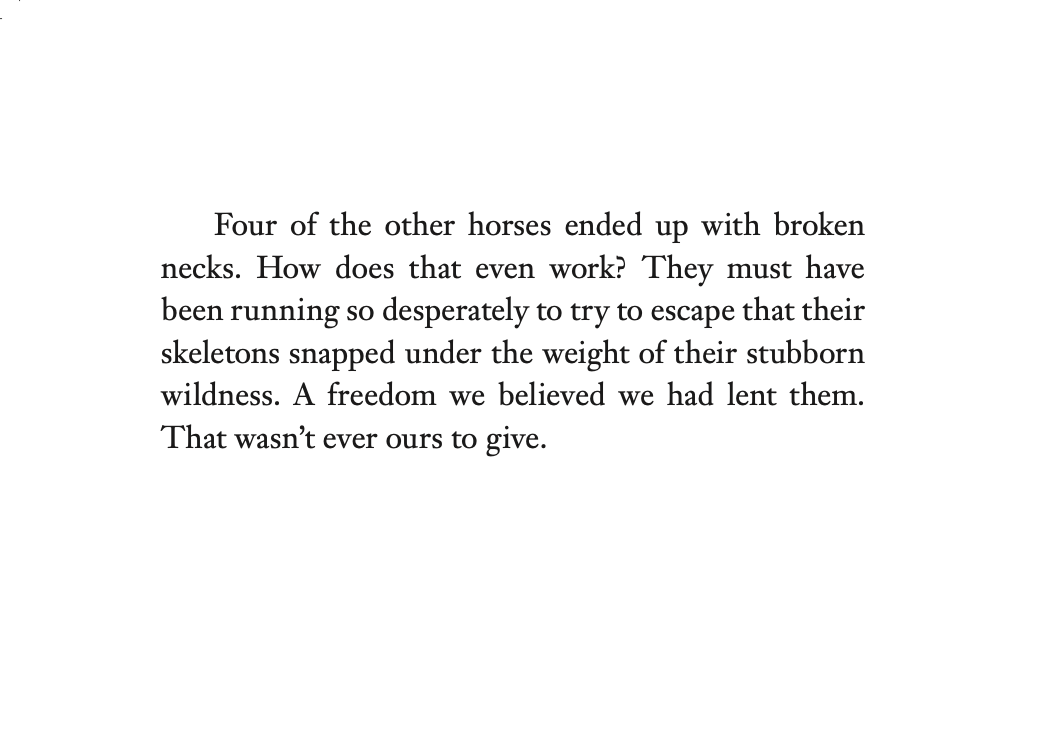
Here's an old piece from the London Review of Books I was just made aware of. Particularly great is its opening.
 Katherine Rundell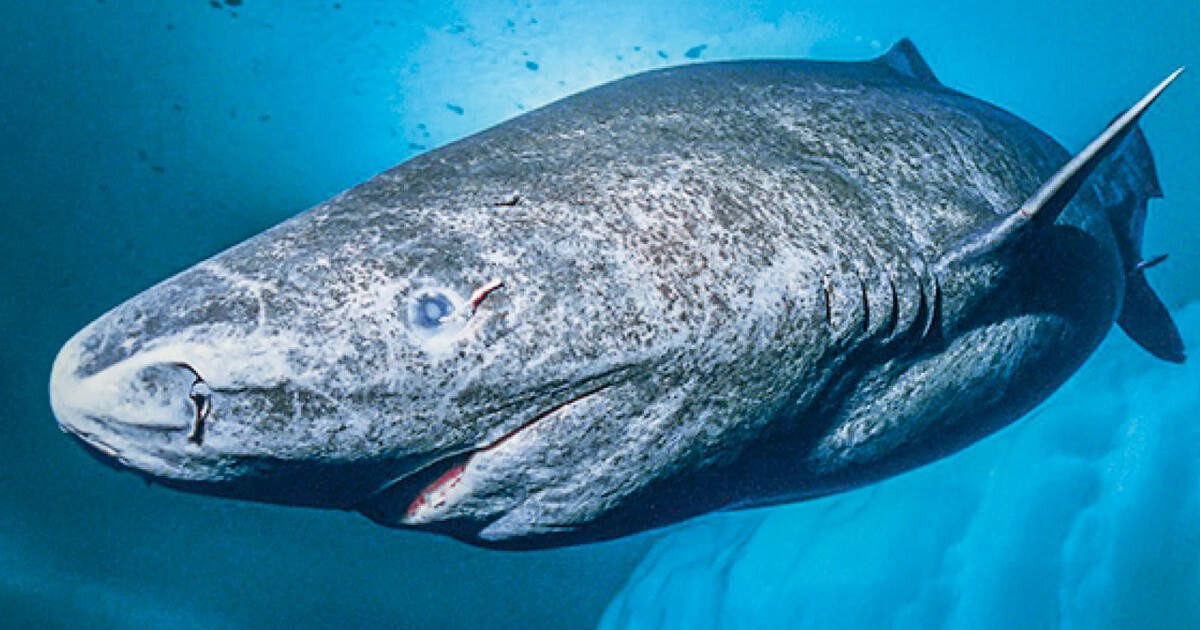
In 1606 a devastating pestilence swept through London; the dying were boarded up in their homes with their families, and a decree went out that the theatres, the bear-baiting yards and the brothels be closed. It was then that Shakespeare wrote one of his very few references to the plague, catching at our precarity: ‘The dead man’s knell/Is there scarce asked for who, and good men’s lives/Expire before the flowers in their caps/Dying or ere they sicken.’ As he wrote, a Greenland shark who is still alive today swam untroubled through the waters of the northern seas. Its parents would have been old enough to have lived alongside Dante; its great-great-grandparents alongside Julius Caesar. For thousands of years Greenland sharks have swum in silence, as above them the world has burned, rebuilt, burned again.
That's as good enough an excuse as any for me to share this piece of mine again as well. Who cares.
 Luke O’Neil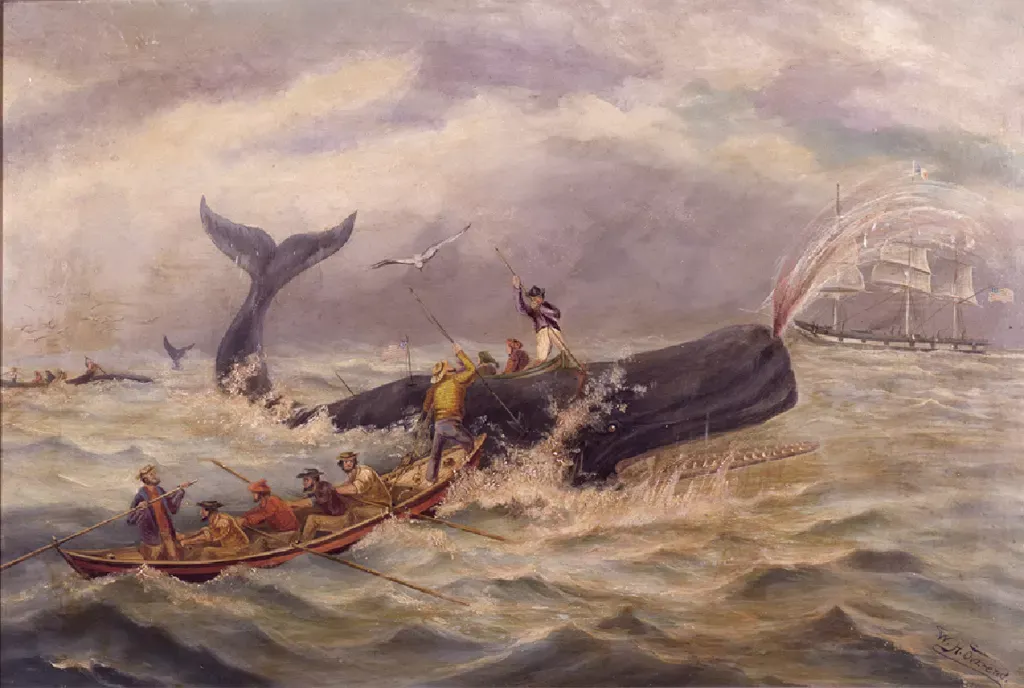
The fact that this whale had lived so long with a century-old weapon inside of its bones was revealing because while scientists have long estimated that whales could live for a very long time they didn’t know it was that long. This one had lived for at least one hundred and fifteen years meaning as far as they could speculate the idea that whales could live up to two hundred years wasn’t out of the question anymore.
Can you imagine living that long with a harpoon lodged inside of your body? Even living that long in the first place? Two hundred years. That means there are maybe whales swimming around out there right now that were born before Moby Dick was written. Some of them still meaning to finally finish reading it when they have some free time.
Traditionally the way scientists determine the age of a whale is by studying the amino acids in its eyes. Another weird thing about bowhead whales is that they tend not to develop cancer which is very surprising considering the vast number of cells they have. Cancer absolutely loves cells. Cancer cannot get enough of that shit.