The eternal push and pull of their doomed yearning
Rax King on "Wuthering Heights"
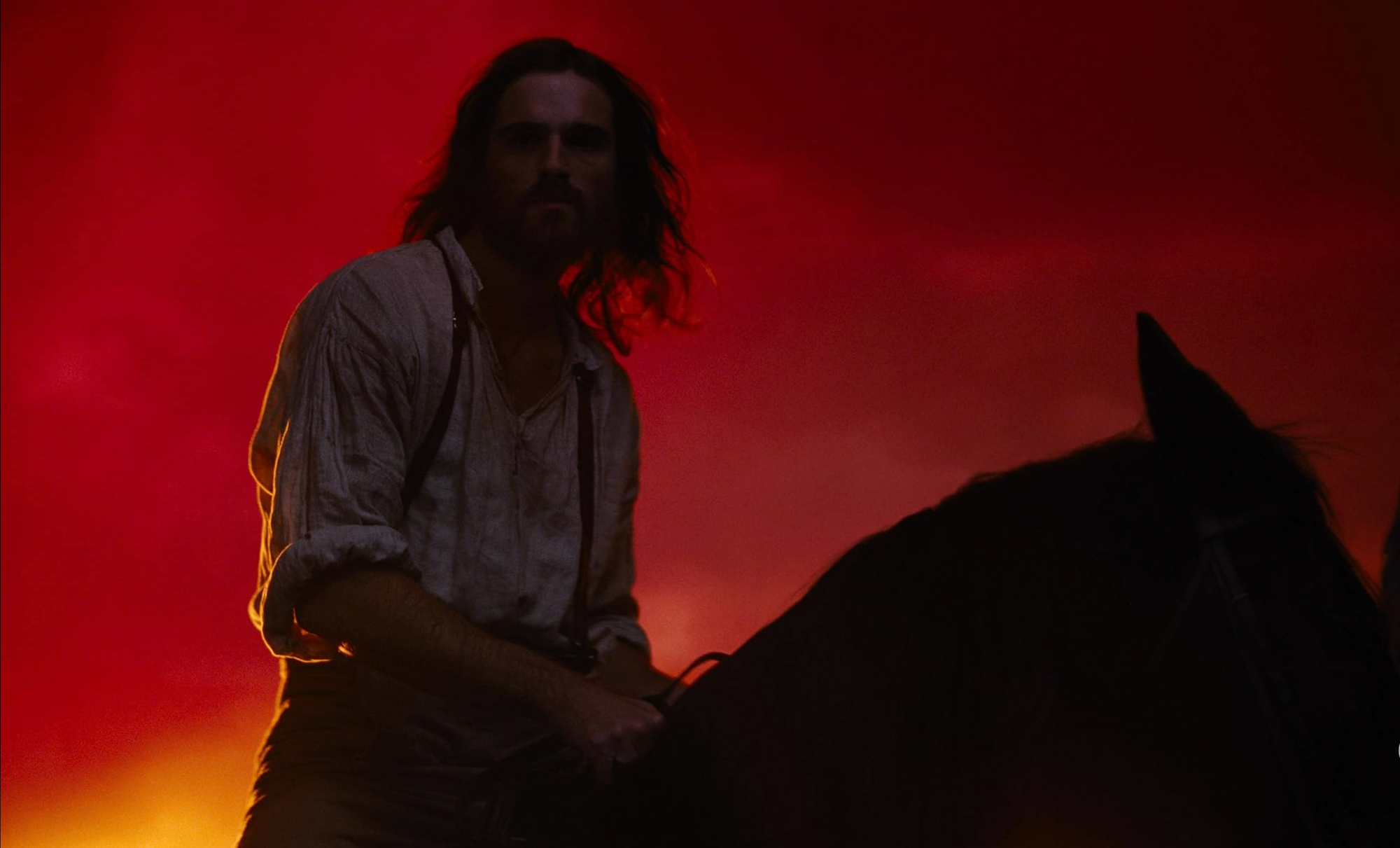
Hell World Chief Jacob Elordi Correspondent Rax King returns to write about the new Emerald Fennell film “Wuthering Heights.” She previously wrote about Guillermo del Toro's Frankenstein and Sofia Coppola's Priscilla.
 Luke O’Neil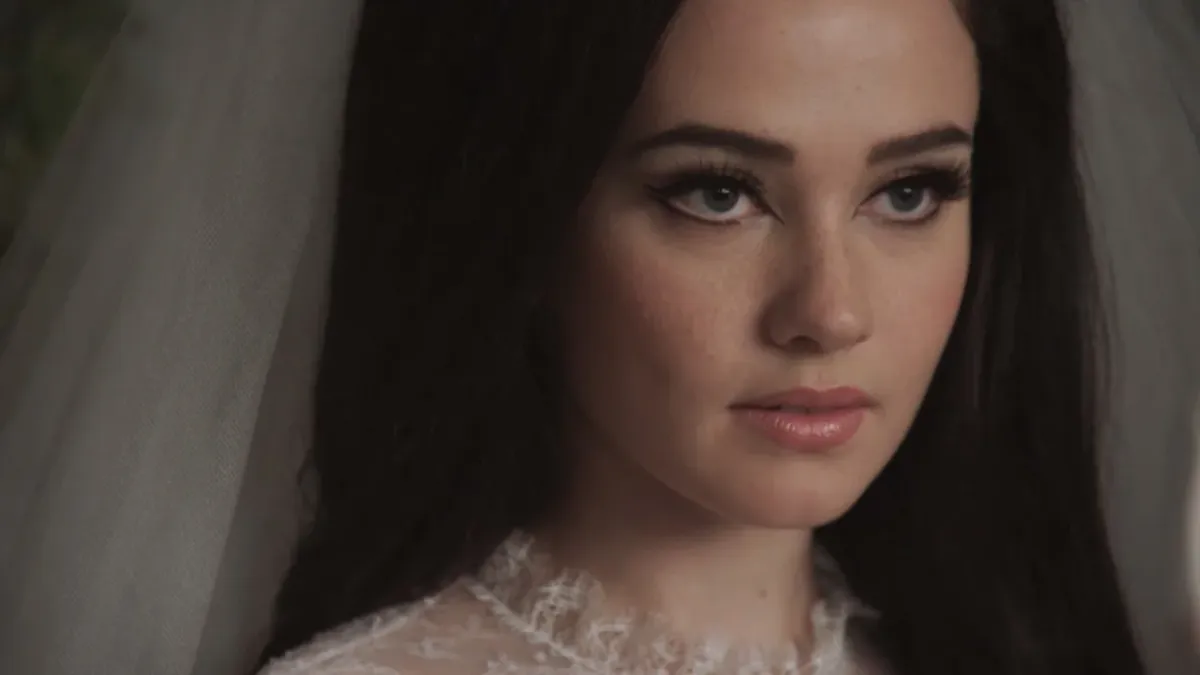
 Luke O’Neil
Sign up for free or with a paid subscription if you appreciate our work here (and to read this piece in full).
by Rax King
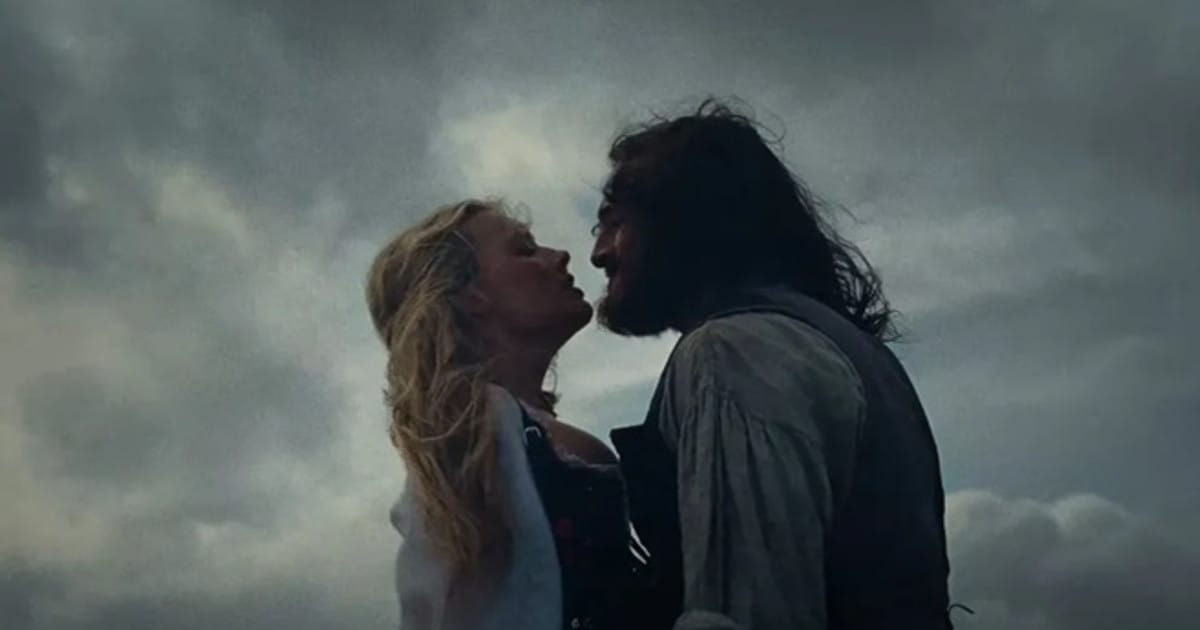
You almost had to be there at the Saturday night showing of Emerald Fennell’s “Wuthering Heights.” (Quotation marks very much sic, and we’ll address them in a minute.) It was less a night at the movies than a Roman orgy, merry and tipsy and loud. This was at the kind of theater where the staff takes your drink order at your seat, and the audience ran those poor servers ragged all night, to the point that my memory of the film includes a seemingly endless parade of cocktail trays overburdened by highballs and coupes. It stank like a dive bar and sounded like a bachelorette party. The approximate audience breakdown by gender was 80/20 female/male, which seems about right for the book too.
About halfway through the film’s bloated two-and-a-quarter hour runtime, I began keeping a tally of the audience sounds I heard most often. I counted fourteen ribald squeals, seven ooooohs, four uproarious laughs at moments that weren’t supposed to be funny, and one unmistakable orgasmic moan. When the lights came up at the end, I looked to the seats behind me to see no fewer than three heterosexual couples still macking hard in their seats. It was a teenage making out, the kind that looks from the outside like the participants are trying to suck the life out of each other, even though all parties appeared to be in their thirties.
I relay this data from my movie theater experience of “Wuthering Heights” because Fennell seems to have made the film for no purpose other than eliciting precisely these noisy reactions. The quotation marks are at the director’s behest to account for how she’s slashed and burned her source material almost beyond recognition, which is her right as an artist. I didn’t like her adaptation very much, but it screams “BE SHOCKED BY ME!” at every turn, and viewers certainly were. Given her success in this regard, would it really be appropriate to call the movie bad?
To be fair, it serves up many pleasures with ease, making it an uncommonly fun movie regardless of whether it’s good or not. Most films of this length spend much of their runtime slowly and carefully luring in viewers. But Fennell wants your full attention and she wants it now, from the very first scene of a freshly hanged man popping a death boner. From start to finish, her “Wuthering Heights” is a semi-literal sight for sore eyes. Even its many revolting moments are sensory feasts. Every color is saturated to its most fiery expression, and she’s not afraid to punch up the contrast of light and shadows so that certain shots are truly arresting. One such shot of Margot Robbie’s Cathy sitting upright on a bed with half the room in shadow made me gasp out loud. (Damn! It’s only now occurring to me that I should have been tallying gasps too.)
The less said about the book, the better, probably — this movie works best if you know nothing whatsoever about the novel from which it diverges so thoroughly. But it’s important to note that in the book, protagonists Heathcliff and Cathy do not fuck. Indeed, there’s no book at all without the eternal push-pull of their doomed yearning, the mechanism by which author Emily Brontë explored the racial and class mores of early 19th century England. The two are famously selfish and cruel to each other as well as everybody else. They jeer, they harass, they fight, they chase one another up and down the moors screaming invective, but they don’t have sex, and the book is all the sexier for it.