Everyone in this book is a human being


I'm sorry I know about the world being bad but it's still so funny to me that he hit em with the ol' switcheroo. He knocked out a caterer and stole his bow tie lol. Doing the Jack Tripper two dates in one night gag running back and forth between airplanes. Uh you guys all stay here on Air Force One I'm just gonna go out back for a second. To check if they're bringing in the food yeah.
Last week I shared an excerpt from the new book Blizzard of Lies: Karen Read, John O'Keefe, and the Shocking Unsolved Murder in Cop Town, USA by my friend Dave Wedge – which has since become a best-seller.
 Luke O’Neil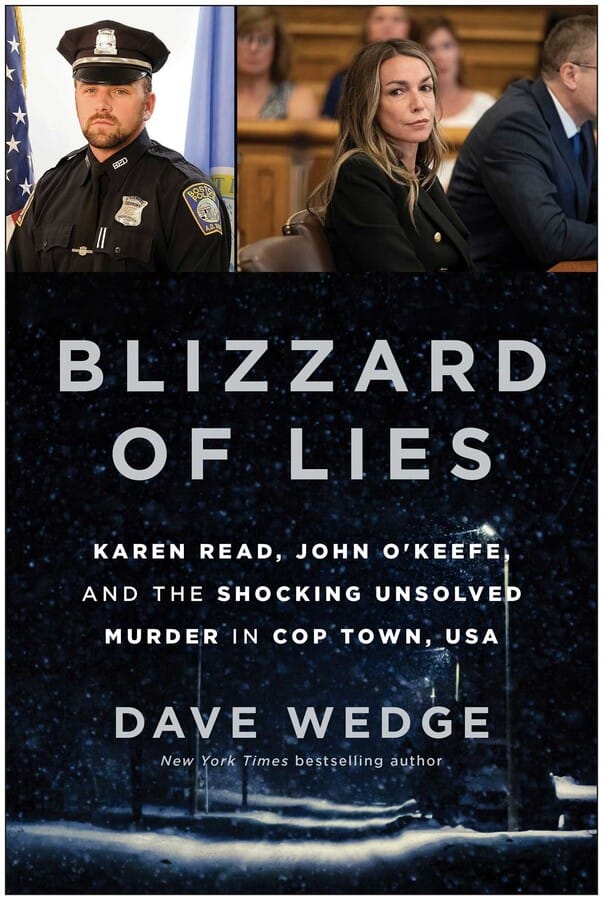
After that I sat down with Wedge at the Parkside Bookshop in Boston to talk about his career, the work that goes into writing a book like this, the complications of the case itself, and why "true crime" stories like these seem to be so popular, especially among women.
"I did an event at another bookstore a couple days after the book came out, and there were like 120 people there, and it was 95% women," Wedge said. "Women 35 to 60. The comic answer is they fantasize about killing their husbands. That's what everyone says. There's something that Notorious B.I.G. once told me. Honestly. We were in a hotel in Providence. I was interviewing him, and what he told me, he said, fuck the guys, the girls are the ones that buy the tapes."
Everyone can read most of our talk below. Paid subscribers can read the whole thing plus watch a video of it if you prefer.
These motherfuckers man.
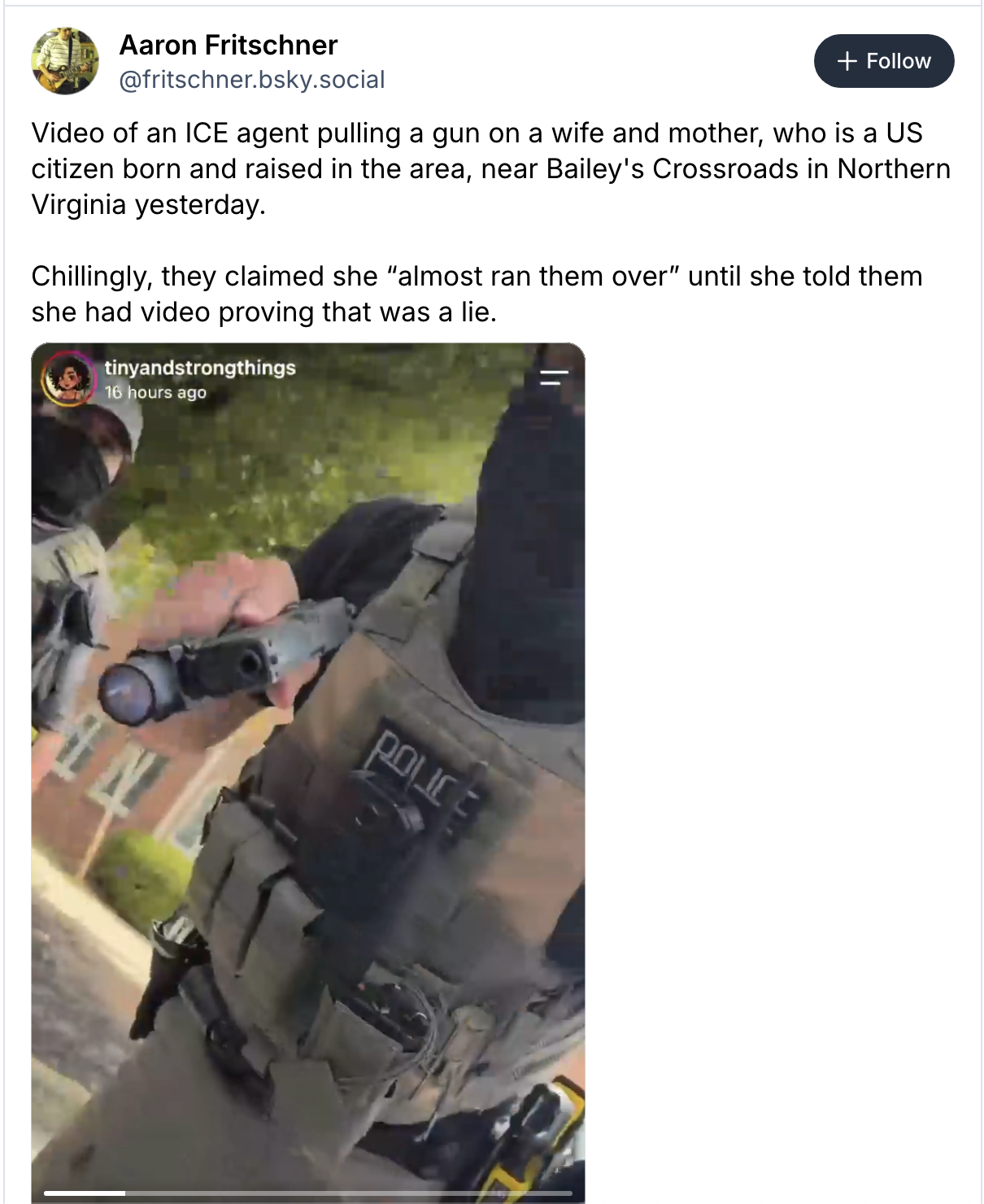
Here's one I'm working on for the next book.
She wrote poems too
Every single day is like the parable of the man on the deserted island refusing to be saved by boat or by helicopter because he's waiting for God's help to arrive but instead it's about any Democrat with a backbone and an iota of charisma refusing to take the opportunity to become the next president by simply describing reality as it is.
What a small ask that is right?
I'm not even talking about The Truth – although that would be nice – but merely the truth. And how grateful we would be for the pittance. To have someone in a position of power accurately observe and then accurately explain what has happened and why it is wrong. What has long been wrong.
Hell I'd settle for a news outlet capable of and willing to do that.
One of those corrupted things is the longstanding double standard applied to cops of any kind in this country. How fucking convenient it is that they get to fear for their lives anytime they want to absolve themselves of anything they might do and yet when we actually fear for our own lives specifically because of them and do anything a scared person would reasonably do it's used as a justification for our killing.
And now schools are closed throughout Minneapolis for the rest of the week. To protect the children from the government.
There is a category of people in this country that are supposed to be composed in high stress situations. They train for them in fact and get paid well and are given very broad leeway on how they react. Still they shit their pants constantly and cry about how scared they are all the time. And we're supposed to venerate them as our sainted warrior class.
Don't you drive a little tightly and perhaps poorly when there's just a normal cop standing there as you go by?
Tense up.
Imagine a bunch of them with guns pointed at you. You would of course not be calm and collected.
Or maybe you would. Perhaps you would smile and tell them you are not even mad at what they’ve done. What they’re about to do.
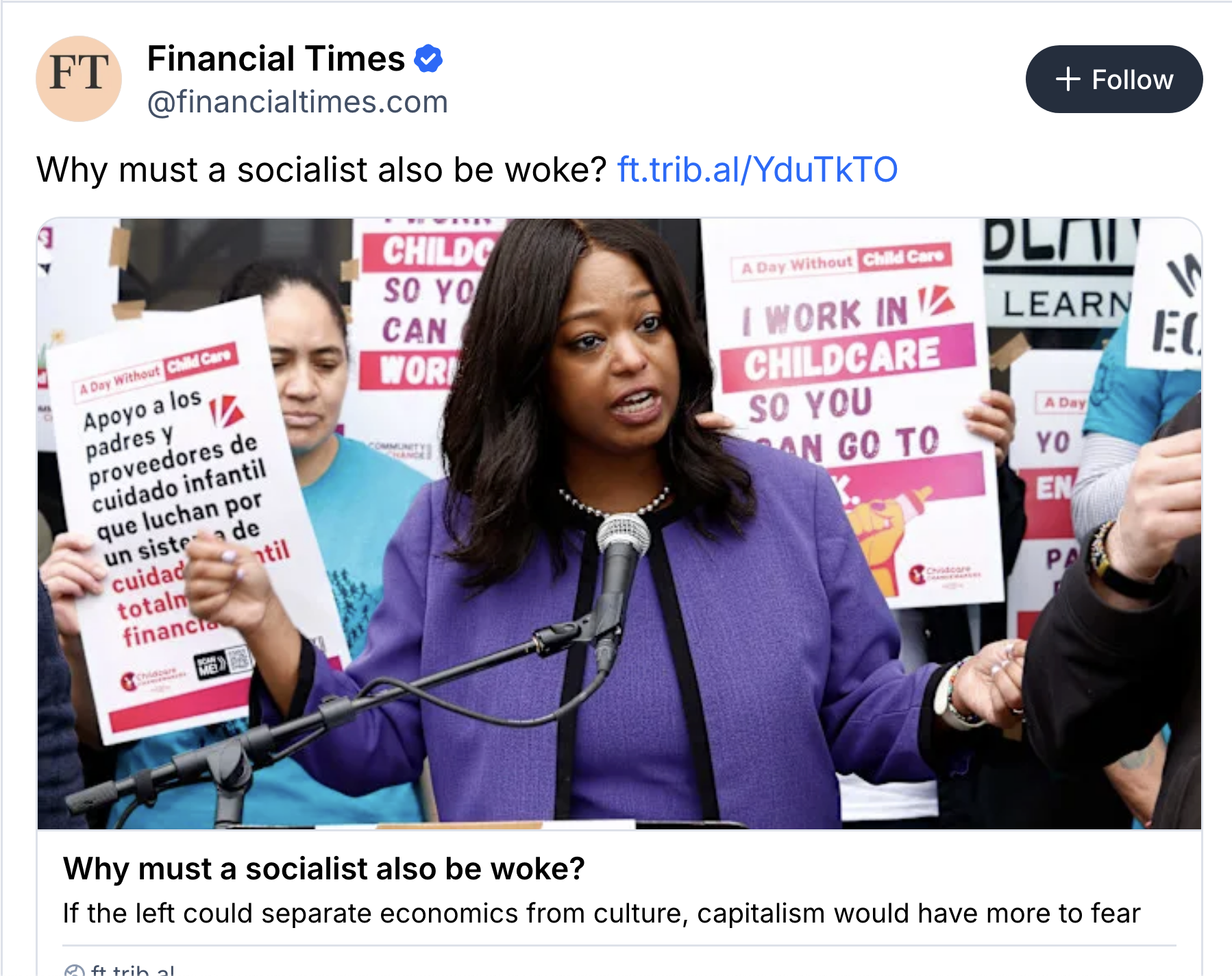
This is a baby food article for fucking morons but I wanted to highlight this part in particular.
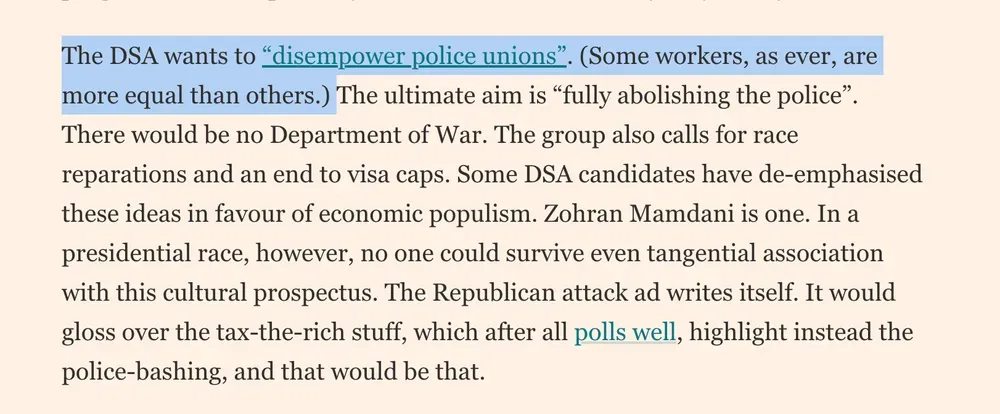
COPS ARE NOT WORKERS. We have covered this.
 Luke O’Neil
Instinctively to me it makes sense. But if you wanted to explain to someone why police aren’t workers and why they don’t belong in the labor movement, what would you say?
Well, they’re agents of the state...Police have never acted in solidarity with other workers. They’ve never been interested in protecting the rights of workers. They’re there to protect the interests of property and capital and power. They have never been on our side. Going back over the centuries, police have never stood beside us on a picket line, they’ve been there beating us and cracking our skulls. Some of the biggest events in labor history, like the Haymarket riots, were started by cops murdering striking workers at the McCormick Reaper Works in Chicago. When it comes down to the definition of a worker, bosses are management, and a cop is a boss with a gun. There’s nothing that they have in common with actual workers. I think because the police are a diverse workforce with people from various walks of life there’s this sort of inclination that people like to say, well, they’re workers, they’re working class. They’re just regular guys. Well, ok, if a regular guy iron worker murders someone, he’s gonna lose his job. Can you say that about these “regular guy” cops? You can’t, because that’s how the system is set up. It may seem reductive to go to an us and them framework, but honestly they started it.
Please also read this.
 Jack Mirkinson
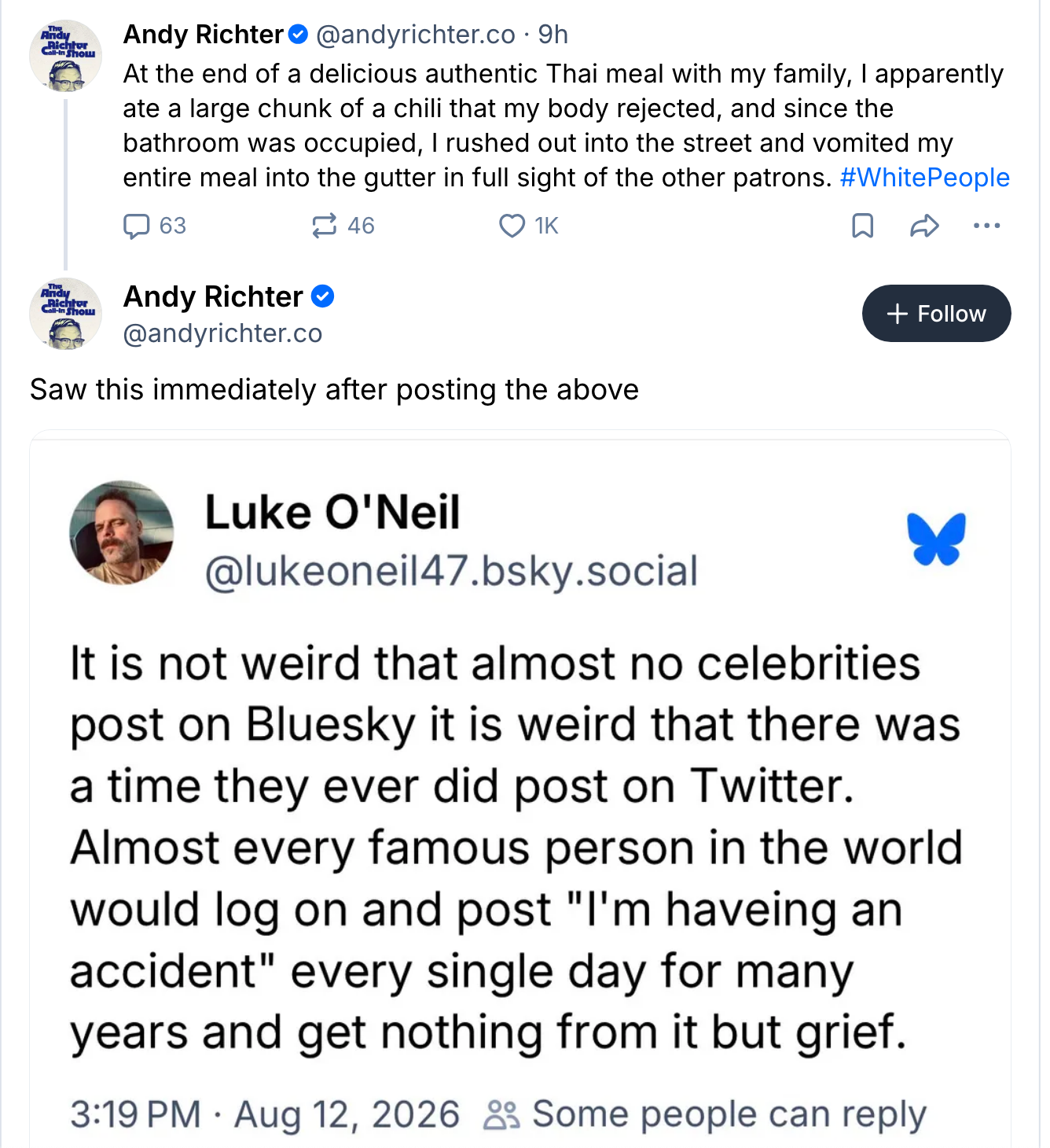
Who says we can't still have a few laughs online though huh? Who says that?
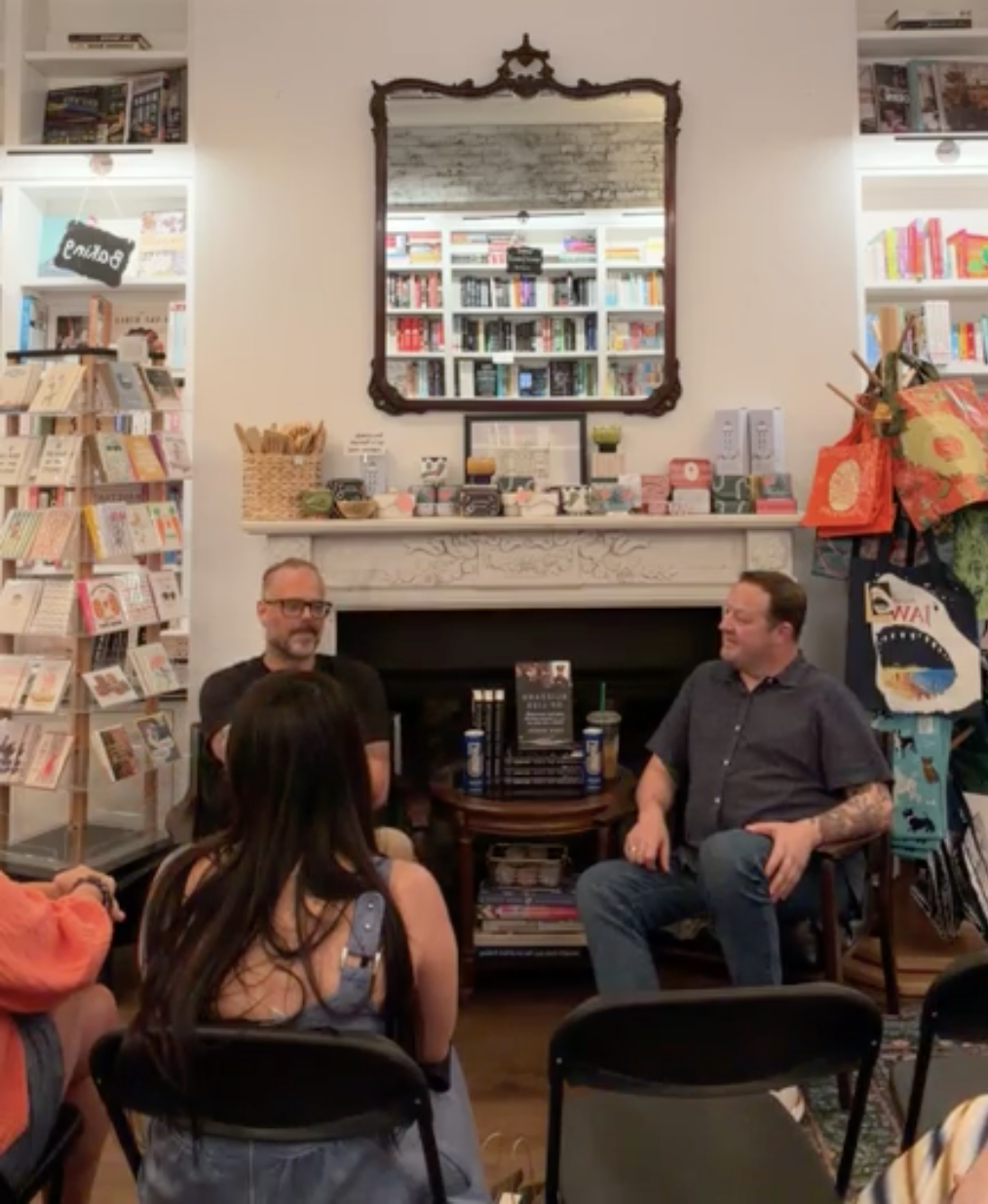
Here's me and Wedge. After that some recommendations for the best stuff I read this week and some music or whatever it is I do.
Luke O’Neil: I appreciate you saying all that nice stuff. It's really nice to be here and I'm proud of you. It's a great book. The first thing I wanted to ask about, to kind of ease into it, if that's okay…
Dave Wedge: Sure.
Who did it?
Everyone asks that! I will answer it if you want me to.
I’m kidding. We can get to that sort of stuff later. We'll save it for later. We'll tease it.
Speaking of prolific authors, you've written eight books by now. You wrote about Tom Brady, Whitey Bulger, fucking motorcycle gangs, the Ice Bucket Challenge, Marvin Hagler. Sorry, my accent always comes up more when I talk to Dave. We’re South Shore guys. That's like a pretty broad spectrum of topics. How do you go about choosing? Those don't really all have too much in common.
I kind of pick my subjects the way I live life. If I like something and I think it's fun and cool, I give it some attention. Sometimes circumstances happen where it’s something so obvious, and I have the opportunity, that I just jump right in. Which is what happened with the Boston Marathon book. I was a reporter at the Boston Herald, right up the street here. We used to be on Harrison Ave. in the old days. I was there 14 years, and when the bombings happened, I was kind of one of the lead reporters for the Herald, and I certainly did not want to write a book about that tragedy. It wasn't on my list. But I did it because I was in the right or wrong place at the right or wrong time, however you want to put it. And that became the movie Patriots Day. Again, I didn't set out to make a movie like that. I wish I wrote Lord of the Rings or Star Wars or something, you know? But I was put in that position and I did it. I’m proud of the movie. It was well done, I think, no matter what you think of Mark Wahlberg. I enjoyed working with the guy. It was a cool project, and it got me out of the news business, and I started writing more books, so that's kind of what happened. And as it went on, I wrote five books with Casey Sherman, and after we did Patriots Day, a lot of opportunities started coming our way, and that's when the Ice Bucket Challenge came. The Frates family reached out to us, and we did that book. And then Deflategate happened. Luke's in that book. I wrote a book about Deflategate and the Patriots, and I actually got a nice couple of little things in there from Luke. We have a Patriots nerd fanboy group on Facebook.
The Pats are back!
Then Whitey Bulger got killed in prison. I covered Whitey for years at the Herald, chasing ghosts, like all the other reporters in town. I never wanted to write a Whitey Bulger book either, because there had been plenty written about him, but when he died in prison the opportunity arose. So a lot of them have been circumstantial, and that's kind of what happened with this.
The Marvin Hagler book, that was my real passion project, because I grew up in Brockton. That's where Marvin Hagler was from for those that don't know. It’s not really a boxing book. It's one of my favorite ones. It’s about the challenges he faced to become one of the greatest fighters of all time, and it's a cool story.
This one I would put in the category of a book I did not want to do. Same as some of the other ones, there had been so much written about it, so many cases. There was a TV movie, there were a couple documentaries. Cameron Read is gonna do a book, Turtleboy is gonna do a book, and I was like, I don't know, but somehow I managed to do the first book about the case and I got it out and here it is and here we are.
Well it's a great book and what I've been saying and posting is that it’s a real page turner. I'm like one of the only people in Massachusetts who didn't really give a shit about this case as it was going on. But then while I was reading it I was like, okay, I get it. I get why it became such a highly followed thing.
I'm gonna get back to something you said there in a second, but for the most part most of your books are grounded in Massachusetts. Obviously you're from here, and you take a lot of pride having grown up here. One thing I really liked in this book though is that you're going through the case and you're getting the details and the court transcripts and things like that, but you always take a little second to explain what each town we go into is like. Just a brief little capsule, whether it’s Taunton or Canton or whatever. A lot of South Shore, South Coast shit. Why did you want to do that? Was that just like a reporterly thing, or is that something where you thought maybe people who aren't from Massachusetts are going to read this and you wanted to explain what it’s like here?
I think it's both. I think as I've written more books I have learned how to tell a better story, and you know, as a writer, it's character and setting. I want people, whether they're from here or not from here, to understand these places. And with each book I do, I'm finding that the places they happen are a bigger and bigger character. Certainly Brockton is a huge character in Marvin Hagler's story. When I did the biker book, Rocky Point, New York, where the gang's headquarters was, was a huge character in that book. In this one, we have the benefit here in Massachusetts of having a ton of history, and all these cities are so different. Taunton is so different from Canton. Canton's so different from Braintree and all that. I think the history of a lot of these communities is interesting, but it's also relevant.
Canton sure is a character in the book.
Some would say the villain!
I spent a little bit of time there, growing up on the South Shore. Is that a place you had spent a lot of time in, or did you go back a number of times for researching the book?
Well, I grew up in Brockton, so we used to go rob houses in Canton. No, but seriously, my first job was actually at Reebok in Canton. That's about all I knew about Canton. Living where I live now, a town near Canton, I have friends in the town.
Do you want to say the address of where you live?
I’m not hard to find. It’s out there. I think I knew a decent amount about the town. I played hockey, so you always somehow wound up in Canton. There’s a couple rinks there and all that. I didn't know a lot about the politics of the town, and certainly I didn't know about the culture in the town. I actually had never been to that little downtown where all these bars are until I wrote this story. I might have gone down there once or twice. But it's out of a Norman Rockwell painting. There’s a little river and gaslight lamp posts and all that stuff. It’s a beautiful little downtown, a beautiful library, beautiful town hall, and you can see why people are very protective of that. And I think that's part of the story.
I want to pull back for a second. You collaborated with Casey Sherman on a number of your books. You and I actually tried writing a book together once. It didn't work out. But I wonder, this one you did solo, how does the experience differ from working with someone else? Working with someone else on a book seems hard to do.
The Hagler one I did solo, and this one I did solo. As I move along I'm not looking to do books with anyone else anymore. But if you want to do a book I would write with you. Again, I look for cool projects. If Casey came to me tomorrow and was like, dude, we should do this, and I’m into the story, I'll do it. If you had a cool idea, I'd be into it. But this is one I couldn't write with someone. There's so much research involved. That's what it comes down to. It's a division of labor. And the writing itself. You do a different style of writing. You and I have had this conversation a million times. Luke's writing is very cerebral and analytical and more creative writing than what I do, which is more traditional nonfiction narrative storytelling, which I love to do. It’s kind of an extension of my days at the Boston Herald. It kind of lends itself to working with someone else if need be, but I'm enjoying doing it alone.
There’s a ton of reading through court transcripts, a ton of interviews, all that stuff.
I would have loved to have had someone sit and watch all the trials so I didn't have to. Even with that, as much research as I did, there was just so much. It was impossible not to make a mistake or miss something. Everyone's like, you forgot this, and what about that? On both sides.
That's what I was going to get to. This case, as I'm sure everyone here knows, was all over the media, everywhere, and covered from 1000 different angles. As a reporter that can either make your job easier or make your job harder. Because on the one hand, there's just a massive amount of stuff, which is good, but then you also have to be like, how am I going to come at this in a way that hasn't been covered 100 times already? So was that a concern that you had going into it, and how did you navigate that?
Yeah, for sure. Like I said, I wasn't sure I was going to do this book until a year ago. I kind of started it and then tabled it and did the Marvin Hagler one, because I told myself after the Whitey Bulger one I'm not doing any more news, competitive… I did it with the Marathon, I did it with Deflategate, and I did it with Whitey Bulger. And it's very stressful to be writing a book when other people are probably writing that book or trying to write that book or trying to write something like that book, and you're stressed out about it. There are documentaries and movies and everybody's trying to beat you. I lived my life that way at the Herald for 14 years, trying to beat the competition, so I was kind of done with it… I didn't really want to jump back into breaking news, but this was just a book I had to write, for many reasons. I'm glad I did because I think, not to, you know, praise me or anything, but someone had to do it straight and just lay it out. Here's what happened. That’s what I kind of specialize in is simplifying some of these complicated situations, whether it's Whitey Bulger or Deflategate, and just saying it in layman's terms. Here's what happened. And that's what I did with this book. If you want to read about how Karen Read was framed, don't read this book. If you want to read about how Karen Read got away with murder, don't read this book. If you want to know what happened in this case, the entire thing, that's what I did.
And you did a really good job of that. I tend to be more of a, you know, firebrand type of guy, fuck these motherfuckers. So I really appreciated how you were like, this is what happened, this is the available information, in a very traditional journalistic way, which we don't see too much of anymore. Everything is very opinionated now
Both ways is hard. It’s hard to do what you do too. I don't like being targeted. When you got in trouble for those stories you wrote about… what'd you say you were gonna piss in someone's lunch or something? That must have been hard. I don't like that! I'm getting some harassment on social media, not to the levels that I would if I had chosen a side and said this is what happened, listen to me.
Who am I? I'm a journalist.. I'm a storyteller. I try to tell a story. But it’s just wasn't easy to walk that line. But I've done it for 25 years as a reporter, and I've had opinions on cases before and I've been wrong.
In the reporting you do in your books, even when, or perhaps especially when there's a crime at the heart of it, there are unsavory characters, people may or may not have done very bad things, you still, in order to write an interesting book, have to dig into their lives and present them as complex human beings. Because everyone in this book is a human being. Maybe some of them fucking suck, maybe some of them are corrupt, maybe they're scumbags, maybe they're not. The way you do it is you sort of have to present them like this is a human being and this is what happened. I wonder if you had to hold back your impressions, your instinctual impressions of some of these people, or if they changed over time, as more things you uncovered came out? And did you have to sort of keep it in second gear so to speak?
If I've learned one thing from all my years as a reporter and in writing it's that you don't always know the full story. You don't always know what someone's been through. There's been times in my career where I've made snap judgments on people because of something I learned about them or something they told me, and I've written things that have really harmed that person, and I felt bad about it later because I later learned circumstances that explained it better. Whether it's crimes or other things. So I try to give people the benefit of the doubt, even when they seem like a complete piece of shit.
Well you are friends with me.
But also it's just the job of a writer. When I'm writing a book, I want you to understand who these people are, good, bad, and ugly. If you think Karen Read didn't do it, there's a lot of things in there about how nice her life was and what a good person she was. She was a good girlfriend. She helped John O'Keefe raise these two kids. She had a good job, her parents loved her, and she had a great upbringing. But then there's bad things about her too. She drank a lot. She fought with John. She screamed and yelled. Stuff like that. I will have to say actually, with this book, the only person that there's nothing bad about is John O'Keefe, and that wasn't because I'm trying to saint the guy, but there truly was nothing bad that was said about the guy. If someone had told me, yeah, you know that guy, he beat up his old girlfriend, or he was a womanizer, or something. If someone told me that stuff, I would have put it in there. It would have hurt the family, and they probably would have been really mad at me, but I would have done my job. But I didn't find anything like that with John O'Keefe. But with most of the people in there there was something.
What do you suppose has made true crime stories in general so popular? And this story in particular? It’s a secondary question because people are murdered all the time, accidents happen, but not every story becomes something that millions of people are paying attention to.
Well, it's a few things. I did an event at another bookstore a couple days after the book came out, and there were like 120 people there, and it was 95% women. Women 35 to 60. The comic answer is they fantasize about killing their husbands. That's what everyone says.
There's something that Notorious B.I.G. once told me. Honestly. We were in a hotel in Providence. I was interviewing him, and what he told me, he said, fuck the guys, the girls are the ones that buy the tapes. Same thing with books. Women buy books. Dudes don't. It's nice to see a couple guys here. Hope you buy the book. But you know women do buy more books. They consume more true crime. They consume more movies. I don't know why that is. You'd have to ask the ladies here. With all true crime, I think a lot of women look at these stories and they want to figure out what happened. They want to understand the psyche of what drives someone to kill. Maybe more than guys.
And I know I'm generalizing here, but you asked the question. Like I don't really care. Someone kills someone. Okay, something bad happened. My wife's great at it. She was very helpful when I was writing this book. The way her mind worked to try and figure out all these nuances about it, mine doesn't always work that way.
She’s a reporter as well.
She was a reporter at the Boston Herald too.
Do you ever run things by her?
All the time.
Yeah, I run things by my wife all the time. She’s very smart.
And she puts the guardrails up on me occasionally. We collaborated a lot. We wrote a lot of stories together, and she was very helpful in this one. She helped me figure out a few things that I was struggling with.
Real quick to finish the answer to your question, with this particular story, and we're seeing it now with the Lindsay Clancy one as well, which no, I'm not doing a book about it. Everyone's asking that. Definitely not. But I think with Karen Read, first, let's be honest here, she's an attractive white middle class woman, so a lot of people look at these things, whether it's the victim or the perpetrator, and they're like, wow, I can't believe that happened. And a lot of America, middle class America, working class America, can relate to someone like Karen Read. They're like, wow, she killed her boyfriend, or wow, she was taken advantage of by the system, and they can relate to her. It could be their sister, their friend, or whatever. So I think that's really what it is with this case. She's kind of a sympathetic figure, but then a lot of people kind of hate her too.
Right, it's like an HBO show where there’s an antihero type of thing.
Yeah, it's like Beth on Yellowstone. You kind of love her, but you're like, wow, she sucks. But you get that with… We have Pamela Smart. You go back to all these cases, you know, Amanda Knox, Casey Anthony. We've had a lot of these femme fatales. Lizzie Borden! It's a theme in America.
It is a shame that it takes, and this happens all the time… I'm not going to get into all my bullshit here. It's a little too out there probably for everyone here. But it’s a shame that it has to be a white woman that gets people to go, oh the system is bad? Wait a minute, people get in trouble for things they didn't do? That happens every day in every city in the world…
Absolutely. And I think that even makes it more popular because I think that brings in other people that are like, see, this is what happens. If it can happen to Karen Read, then what's happening to the young girl in Detroit?
That’s all I’m saying. I would just wish that people everywhere would know that this happens every day.
Corruption happens all over the place…
Fuck the police.
But when it hits middle class America, all of a sudden everyone's alarmed. It's kind of like the crack epidemic. No one cared until it was in the suburbs.
There was one thing that you did in the book that I thought was a really interesting writerly thing. About midway through you present one scenario of what happened that night, and then another second scenario. I was interested in that, as a writer, but also as a reader. For people here who are really interested in the details of what happened, talk about the choice to do that.
That's one of the things my wife helped me with. I was really struggling with how to tell these two stories, and she was kind of like, why don't you just lay out both scenarios and tell them both, and then back them up with the facts? I kind of made them like two separate narratives, and I thought back to being a kid, like choose your own adventure, you know? I was like, I guess I could kind of write it like that. I don't have the answer. People can try to figure it out themselves. So, I wrote out the two scenarios as if they had both actually happened. I don't want to give away the whole book, but I think it worked pretty good because a lot of people bring that up in these conversations. And the other thing is, the court trials and the defense gave me so much material to work with. It was almost like you can imagine both happening. That's what happened with this case. You go back and forth, the more you learn about it it’s like maybe that did happen. Maybe it didn't. Maybe this happened.
It puts you in the position of being a juror, because you're hearing the prosecution's case, you're hearing the defense's case, and I don't envy these jurors or any jurors. And I’ve just got to say, the overwhelming impression I got from reading this book is that being involved in a murder trial in any single way seems like it fucking sucks so bad.
Yeah, it's awful. It's awful.
No matter who you are, like top to bottom, years and years of your life. So don't murder anyone.
Don't be there when someone murders someone! More importantly.
If you get murdered you're off the hook because you don't have to be there.
That reminds me, one of the people that I talked to a lot for this book, and apologies to any of the Free Karen Read people that might or might not be here or watching, is Kerry Roberts. She was one of the women that was kind of friends with Karen. She knew her. Karen called her that morning. Kerry was best friends with John O'Keefe. That was her only connection with this case. Karen called her that morning and said John never came home. I think he's dead. And Kerry was like, I'll help you find him. And that's her involvement in the case. She wasn't there that night. She wasn't out drinking with these people. She doesn't know the McCabes. She does now, but she wasn't in that clique. And she's been sucked into this, and her life's been drastically altered forever. Her social media, she had to disable it all. She gets constant harassment. She was accused of perjury. She was accused of lying. She was accused of being part of this cover-up. You look at someone on TV and you say, like, wow, what a detestable person. But I got to know her a little bit, and she's not detestable at all. She's an honest, nice person, and she got dragged into this horrible situation. It has kind of destroyed, not destroyed her life, but really changed her life a lot.
Do you want to take some questions from the audience?
I would love to.